



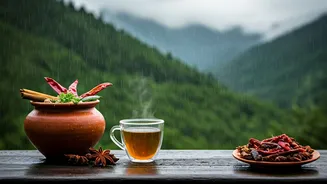


More Than Just Monsoon Snacks
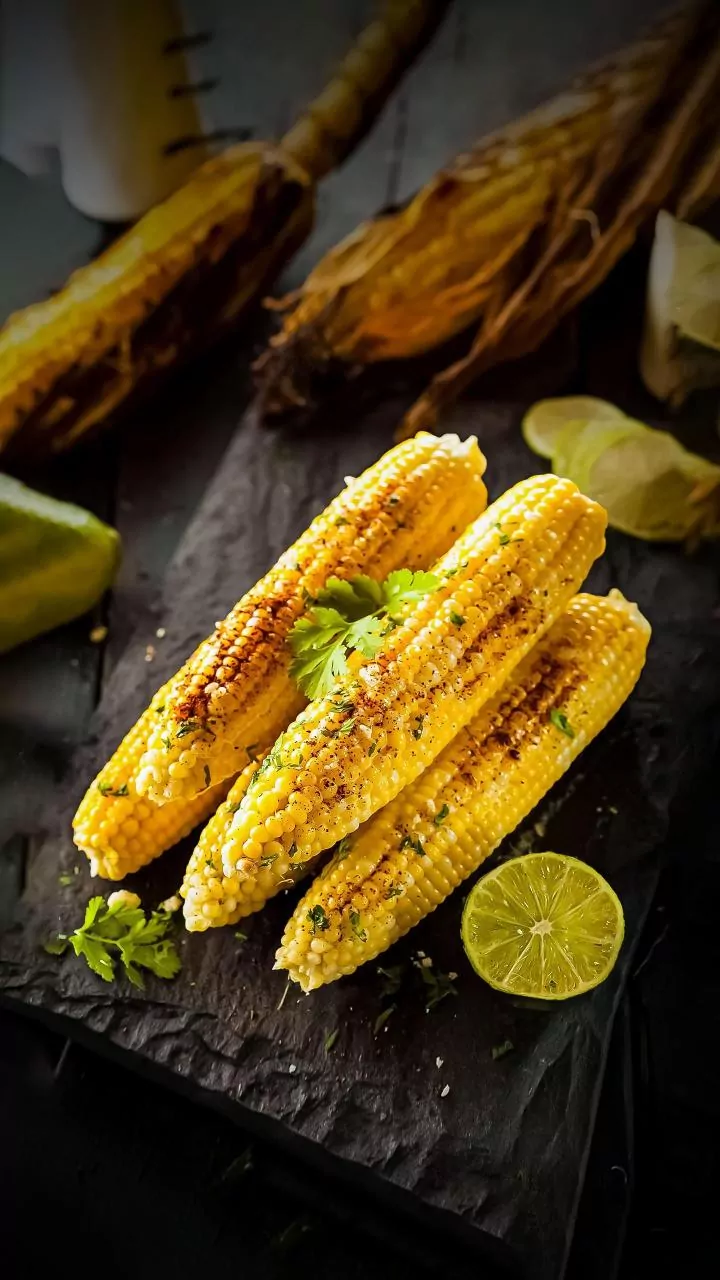
The Indian monsoon is synonymous with a specific kind of culinary comfort. We think of crispy bhajiyas, steaming samosas, and roasted corn on the cob. While these are cherished rituals, they are only one part of the season’s gastronomic story. A deeper,
more ancient tradition is re-emerging from forests, fields, and local markets: the incredible diversity of ‘ran-bhajya’ or wild, uncultivated vegetables. For generations, especially in rural and tribal communities, the monsoon has been a time for foraging. The rains trigger the sprouting of unique greens, shoots, and tubers that are available for just a few precious weeks. These aren't commercially farmed crops; they are gifts of the wild, packed with distinct flavours and immense nutritional value, offering a taste of the land that is both fleeting and profound.
A Forager’s Delicious Bounty
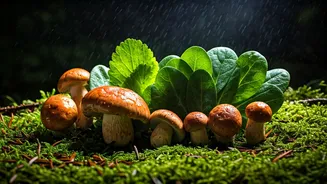
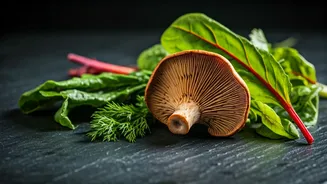
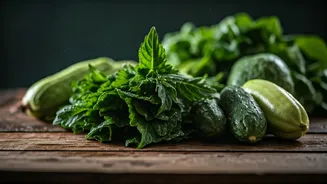
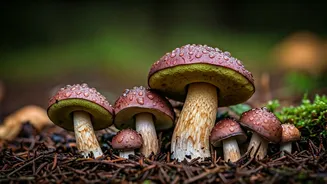
The cast of characters in this wild food drama is vast and varied. In Maharashtra, markets come alive with delicacies like ‘shevla’ (dragon stalk yam), which must be prepared carefully to remove its itchiness but rewards with a meaty texture. There’s also ‘kurdu’, a leafy green with a slightly bitter taste that pairs beautifully with lentils, and ‘phodshi’ (a slender green also known as safed musli grass), which is prized for its delicate, earthy flavour. In other regions, you’ll find ‘kartoli’ or ‘kakrol’ (spiny gourd), a small, bumpy vegetable that fries up beautifully, and wild mushrooms that pop up in the damp forests of the Western Ghats and the Himalayas. These ingredients carry the taste of their specific terroir—the soil, the rain, the air—making them impossible to replicate and highly sought after by those in the know.
From Humble Kitchens to Urban Menus
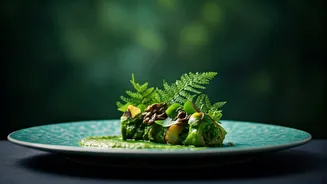
For years, these wild foods were largely confined to the kitchens of those who lived near the source. They were part of a deep-seated traditional knowledge system passed down through generations. Now, a new chapter is being written as these ingredients find their way onto the menus of India’s most innovative urban restaurants. Chefs, driven by a desire for authenticity, sustainability, and unique local flavours, are actively seeking out these foraged treasures. They are working with local communities and suppliers to bring the taste of the monsoon wilderness to city diners. On a fine-dining plate, you might find a delicate phodshi stir-fry, a soup made from foraged mushrooms, or a curry featuring kartoli. This trend is not just about novelty; it’s a respectful nod to the culinary wisdom embedded in India's diverse ecosystems.
Reviving Health and Biodiversity
The resurgence of wild foods is more than just a foodie trend; it's a movement towards better health and a more sustainable food system. Many of these uncultivated plants are nutritional powerhouses, richer in vitamins, minerals, and antioxidants than their commercially grown counterparts. They thrive without chemical fertilisers or pesticides, making them inherently organic. By creating a market for these foods, we are also incentivising the preservation of the biodiversity that produces them. It encourages the protection of forests and common lands where these plants grow, and validates the traditional ecological knowledge of the communities who have been their custodians for centuries. Eating wild foods is a way of participating in a food cycle that is seasonal, local, and deeply connected to the natural world.