





The Journey from Crude to Your Commute
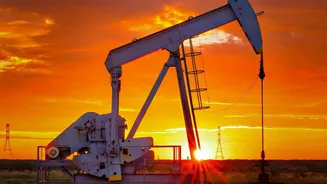
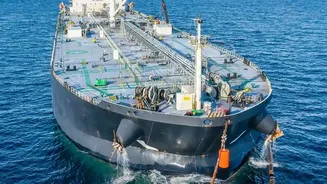
The price you pay for petrol or diesel starts its life thousands of miles away as crude oil. India imports over 85% of its crude oil, making the nation's economy highly sensitive to international prices, which fluctuate based on global demand, supply,
and geopolitical events. Once this raw crude lands in India, it's sent to refineries to be processed into finished fuels like petrol and diesel. However, the international price of crude is only the starting point. Before it reaches the fuel pump, several other costs are added, including refining charges, freight costs for transport within the country, and margins for the oil marketing companies (OMCs). This base price, charged to dealers, is the first major component of what you ultimately pay.
More Than Just Oil: What’s in Your Fuel Bill?
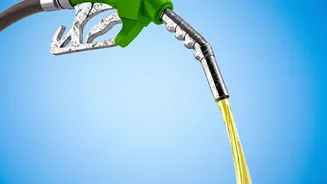
The single largest reason why fuel prices don't always fall when crude oil gets cheaper is taxes. Central and state taxes can make up nearly half of the retail price of petrol and diesel. The central government applies a fixed excise duty, which includes various cesses for infrastructure and development. This amount doesn't change with the oil price. On top of that, each state government levies its own Value Added Tax (VAT), which is a percentage of the total price (including the base price and central excise duty). This means state tax collection can increase when the base price rises. Finally, a commission for the petrol pump dealer is added to cover their operational costs and profit, completing the final retail price you see displayed.
Why Your Flight Ticket Fluctuates
The same crude oil that powers your car also fuels airplanes, in the form of Aviation Turbine Fuel (ATF) or jet fuel. For airlines, ATF is one of their single biggest operational expenses, often accounting for 40% to 50% of their total costs. When global crude oil prices surge, the cost of ATF follows, putting immense financial pressure on airlines. Carriers often pass this increased cost directly to passengers in the form of higher base fares or by adding a fuel surcharge. This is why ticket prices can change so dramatically in response to global events that affect oil markets. However, even if fuel prices drop, fares may not fall immediately, as airlines might use the opportunity to recover from previous losses or bolster their finances.
The Ripple Effect on Your Wallet
The impact of high crude oil prices doesn't stop at the petrol pump or airport check-in counter. Since nearly all goods in India are transported by trucks running on diesel, higher fuel costs lead to increased transportation costs. This hike is then passed down the supply chain, making everyday items more expensive, from vegetables and groceries to manufactured products. This phenomenon contributes to overall inflation, which erodes the purchasing power of your money. A sustained period of high oil prices can even influence the Reserve Bank of India's decisions on interest rates, indirectly affecting the cost of loans for homes, cars, and businesses. It’s a chain reaction that starts with a barrel of oil and can end up influencing your entire household budget.