



India's First Round-Trip Ticket to the Moon
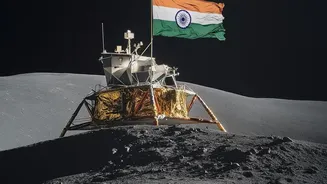
Chandrayaan-4 is a lunar sample return mission, a feat of engineering that, if successful, will place India in an elite club of nations. Currently, only the United States, the former Soviet Union, and China have accomplished the technologically demanding
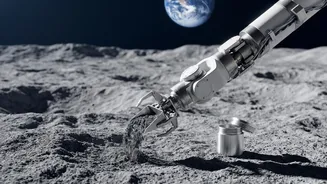
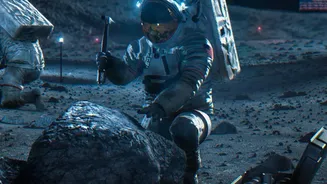
task of collecting material from the Moon and returning it to Earth. The primary goal is to land near the Moon's south pole, gather around 2-3 kg of lunar soil (regolith) and sub-surface samples, and transport them safely back to Indian laboratories for in-depth analysis. The mission is a crucial stepping stone in India’s long-term space exploration ambitions, which include establishing a space station by 2035 and landing an astronaut on the Moon by 2040.
A Symphony of Five Spacecraft Modules
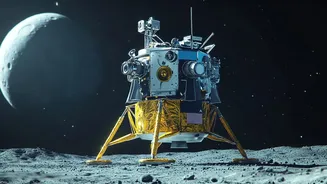
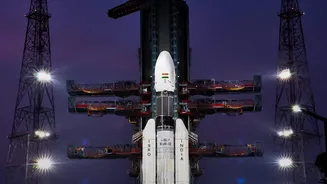
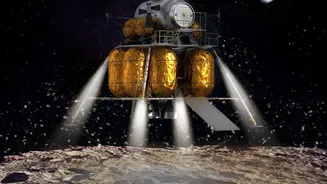
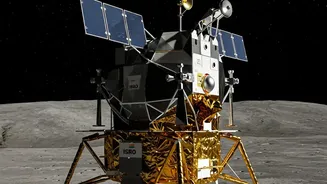
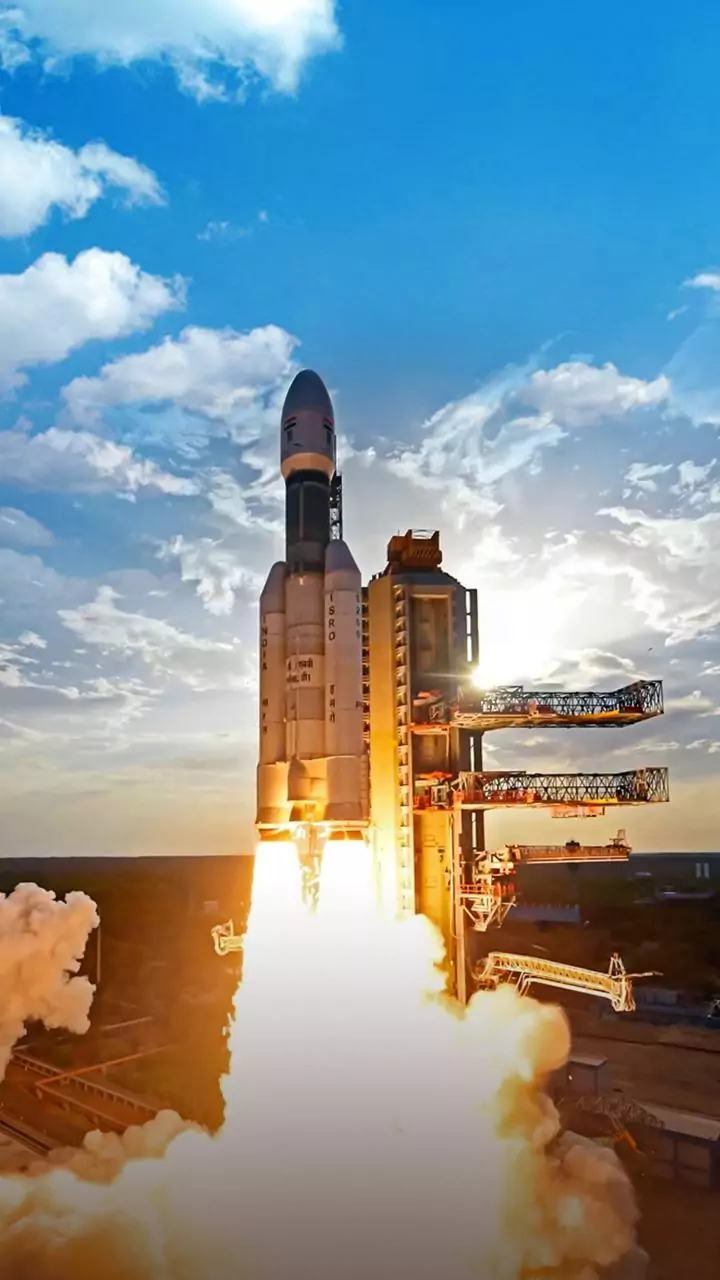
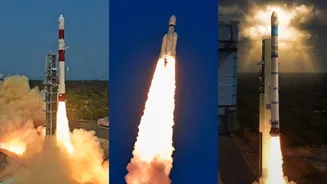
The mission's complexity is encapsulated in its five-module architecture, a significant step up from previous missions. Because the entire assembly is too heavy for a single rocket, ISRO plans to use two separate LVM3 launch vehicles. The system includes a Propulsion Module to travel to the Moon, a Descender Module for the soft landing, a robotic arm and drill for sample collection, an Ascender Module to launch from the lunar surface, and a Transfer and Re-entry Module to bring the precious cargo home. This elaborate plan requires demonstrating several new capabilities for ISRO, including autonomous rendezvous and docking in orbit—a manoeuvre where two spacecraft meet and connect. ISRO has already tested this docking technology with its Space Docking Experiment (SPADEX), a crucial forerunner to Chandrayaan-4.
Why Bring Lunar Samples to Earth?
While rovers like Pragyan from Chandrayaan-3 can perform valuable on-site analysis, their instruments are limited by size and power. Bringing samples back to Earth allows scientists to use the full power of terrestrial laboratories, employing massive, delicate, and state-of-the-art equipment that could never be launched into space. These pristine samples, collected from the geologically diverse and largely unexplored south pole, can unlock secrets about the origin and evolution of the Moon, Earth, and the inner solar system. The potential presence of water ice in this region is of particular interest, as it could be a vital resource for future long-term human settlements on the Moon. Studying these samples for decades to come will allow scientists to answer questions that haven't even been thought of yet.
An Ambitious Timeline and a National Priority
The Union Cabinet approved the Chandrayaan-4 mission on September 18, 2024, with a budget of over ₹2,100 crore. While the initial timeline was aggressive, ISRO is currently targeting a launch around 2028, reflecting the mission's immense technical challenges. The development involves perfecting a host of new technologies, from the robotic collection systems to the high-stakes launch from the Moon's surface and the fiery re-entry through Earth's atmosphere. The successful execution of Chandrayaan-4 will not only yield immense scientific rewards but also validate the technologies needed for India's future human spaceflight program, Gaganyaan, and its aspirations for deep-space exploration.