

The Great Monsoon Retreat
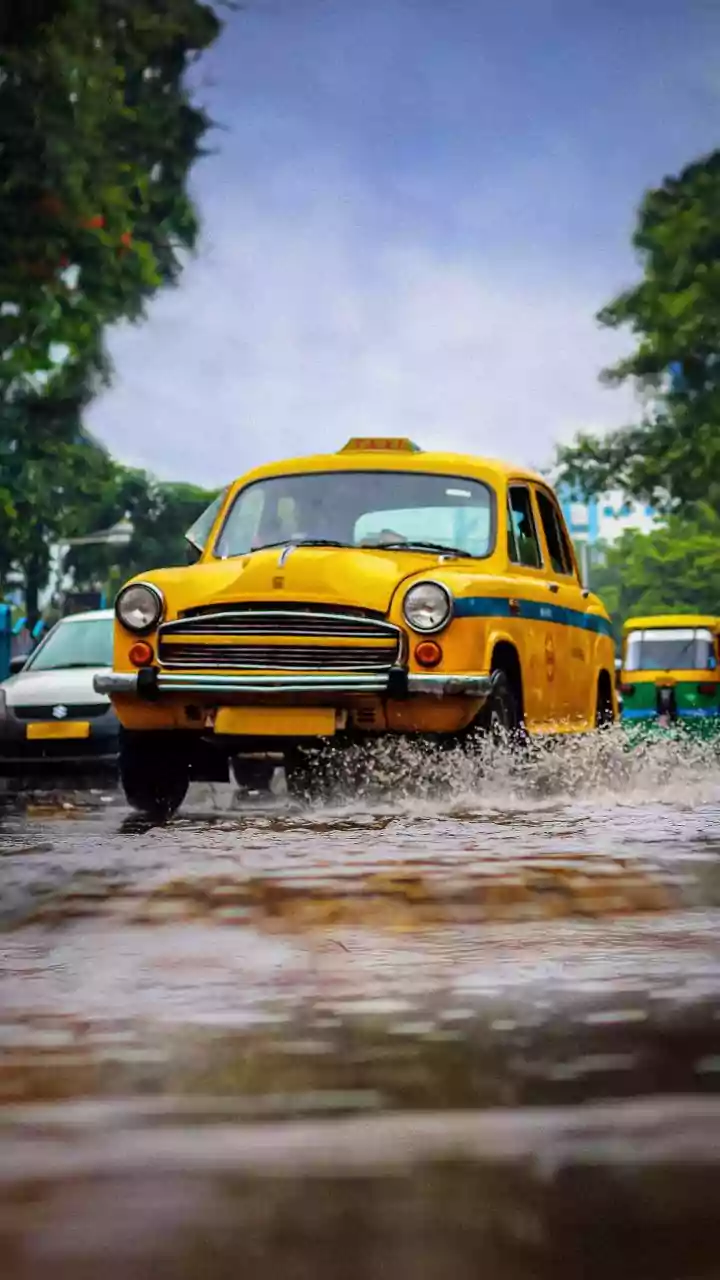
The withdrawal of the monsoon isn't like flipping a switch; it's a slow, weeks-long process that unfolds across the country. According to the India Meteorological Department (IMD), the retreat typically begins from the northwestern parts of India around
mid-September. From there, the line of withdrawal moves progressively southeast, clearing central India by late September and only leaving the southern peninsula by October or later. This staggered exit means that while one part of the country might be enjoying clear, post-monsoon weather, another could still be experiencing rain. The official declaration of withdrawal depends on specific criteria, including at least five continuous days without rain and a change in wind patterns.
Northern Hills: The Mountains Are Calling
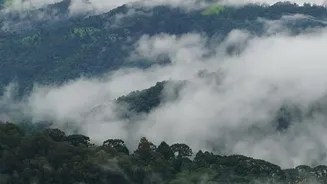
For trekking enthusiasts and mountain lovers, the post-monsoon period is golden. In states like Himachal Pradesh and Uttarakhand, the rains wash the dust from the air, offering crisp, clear views of the Himalayan peaks. Many trekking routes and national parks, some of which are closed during peak monsoon, begin to reopen. Destinations like Binsar and Chopta in Uttarakhand become accessible again, providing stunning Himalayan vistas. Even though the monsoon is withdrawing, some regions may still experience rainfall, as IMD has predicted fairly widespread rains in Himachal Pradesh and Uttarakhand around mid-September, so it's crucial to check local forecasts before heading out. This is the ideal time for scenic drives and exploring hill stations before the harsh winter snow arrives.
Western Ghats: A Symphony in Green
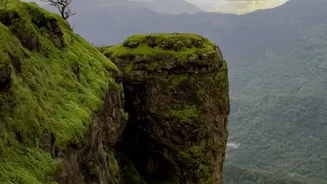
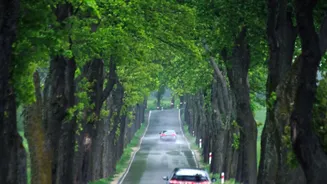
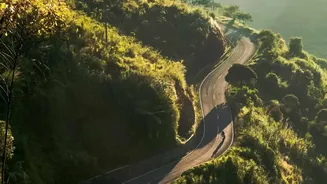
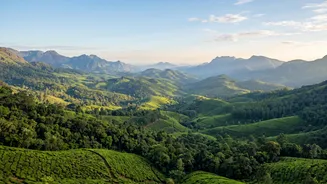
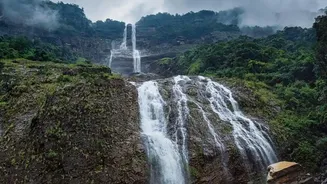
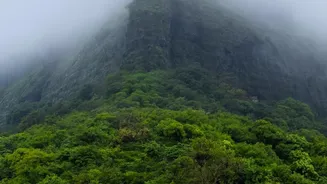
The Western Ghats are arguably at their most beautiful immediately following the monsoon. The hills of Maharashtra and Karnataka, from Lonavala to Coorg and Chikmagalur, are transformed into a lush, emerald paradise. Waterfalls that were raging just weeks ago are still full but are now more accessible and safer to visit. This is the perfect season for road trips, with mist-covered ghats and scenic viewpoints like those in Mahabaleshwar offering breathtaking sights. The air is cool, the landscape is vibrant, and the smell of wet earth lingers, making it an ideal setting for a rejuvenating weekend escape from cities like Mumbai, Pune, and Bengaluru.
Heritage Trails in Central India
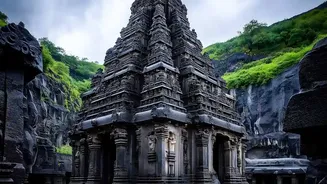
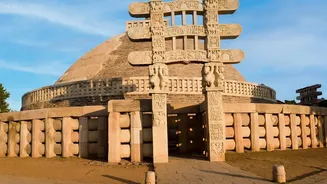
Exploring India's rich history becomes far more pleasant as the rains subside. The scorching summer heat is a memory, and the constant downpours are gone, making it comfortable to walk around ancient forts and temples. Destinations in Madhya Pradesh like Orchha or the iconic ruins of Hampi in Karnataka are particularly striking in the post-monsoon light. The clearer skies and verdant surroundings provide a stunning backdrop for photography. This shoulder season often means fewer crowds than the peak tourist months of December and January, allowing for a more peaceful and immersive experience at otherwise busy heritage sites.
Reclaiming the Outdoors in the City
You don't have to travel far to enjoy the change in weather. The end of the monsoon means reclaiming the outdoors in your own city. Parks and waterfronts that were deserted during the rains become inviting again for morning walks, cycling, and family picnics. Outdoor cafes and rooftop restaurants reopen, offering a chance to dine with a pleasant breeze instead of under a leaky tarp. It's a time to revisit local jogging tracks, plan a game of cricket in the neighbourhood park, or simply enjoy a cup of chai outdoors without worrying about a sudden shower.