






The Rise of the Digital Career Guru
Navigating a career path can feel like a monumental task. From choosing the right industry to preparing for a pivotal interview, the decisions are often complex and fraught with anxiety. Traditionally, humans have sought guidance from mentors, counselors,
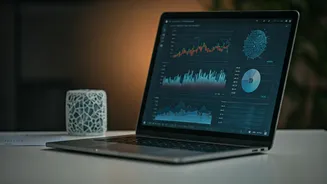
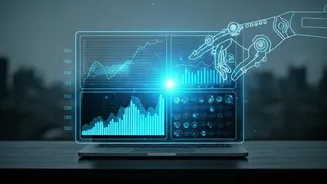
and professional coaches. Now, artificial intelligence is stepping into that role. AI career coaches are digital platforms and applications that use algorithms to provide career advice. These tools can analyse your resume, suggest skill improvements, identify potential job roles, and even conduct mock interviews. They leverage vast datasets on job market trends to offer data-driven recommendations, promising a more objective and accessible form of career guidance. For many in India, where access to affordable, quality career coaching can be limited, the appeal is obvious: expert advice that is scalable, cost-effective, and always available.
The Promise: Your Personal Coach, On-Demand
The primary allure of AI coaches lies in their accessibility and convenience. Unlike human coaches who have limited hours, an AI is perpetually “in session,” ready to assist at any time of day or night. This is a significant advantage for busy professionals or students juggling multiple commitments. Proponents argue that these tools democratise career coaching, making personalised guidance available to a much broader audience that may not have been able to afford traditional coaching. AI platforms can offer structured reflection by asking insightful questions to help users clarify their skills and aspirations. They excel at tasks like resume optimisation, interview practice, and identifying skill gaps based on data from thousands of job descriptions. Some platforms in India are already integrating these AI tools to provide end-to-end career ecosystems, from counselling to hiring.
The Reality Check: Where Algorithms Falter
Despite the impressive capabilities, AI career coaches have significant limitations. Their biggest drawback is a lack of emotional intelligence. An algorithm can process data, but it cannot replicate genuine human empathy, understand the nuances of workplace politics, or provide the motivational support needed during a stressful job search. A human coach can read between the lines, pick up on hesitation, and provide encouragement in a way that AI cannot. Furthermore, the effectiveness of an AI coach is entirely dependent on the data it was trained on. If the data reflects historical biases, the AI can perpetuate discriminatory patterns, potentially offering skewed advice based on gender or background instead of pure competency. There's also the risk of 'hallucinations', where the AI might generate convincing but false information, such as recommending non-existent certifications or quoting repealed labour laws.
The Human Element: Still Irreplaceable
Experts and even the creators of these AI tools agree that they are not a replacement for human connection. Research suggests that while AI can handle up to 90% of day-to-day coaching functions, the remaining 10%—which involves emotionally charged, complex, or values-based discussions—is where human expertise remains critical. Human coaches provide things an AI can't: a professional network, real-world intuition, and a deep understanding of personal context that goes beyond a resume. They can help you navigate a difficult conversation with your boss or figure out the 'why' behind your career goals, not just the 'what'. The true value of coaching often lies in the relationship, accountability, and ahas-moments that happen in a creative, human-to-human conversation.