







Why We Exfoliate in the First Place
Exfoliation is the process of removing dead cells from the skin's surface. Our skin naturally sheds these cells about every 30 days to make way for new ones, but sometimes this process is incomplete, leading to dullness, clogged pores, and dry patches.
Proper exfoliation speeds up this cell turnover, revealing brighter skin underneath. It helps prevent breakouts, evens out skin tone, and even allows your other skincare products, like serums and moisturisers, to penetrate more effectively. Over time, it can also stimulate collagen production, which helps keep skin firm.
The Dangers of Too Much of a Good Thing
While the benefits are clear, the popular belief that more is better is a fast track to damaging your skin. Over-exfoliation strips the skin of its natural oils and compromises its protective barrier. This barrier is crucial for retaining moisture and defending against environmental irritants like bacteria and pollution. When it's weakened, the skin can't heal properly, leading to a cycle of inflammation and sensitivity. Dermatologists often see patients who have been too aggressive, either by scrubbing too hard or using chemical exfoliants too frequently. This can actually worsen issues like acne and accelerate signs of aging.
Signs You Are Over-Exfoliating
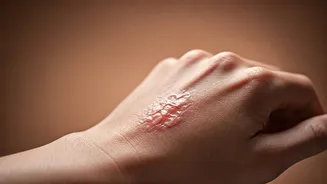
Your skin will send clear signals when you've gone too far. The most common signs include redness, irritation, and a burning or stinging sensation when you apply other products. Your skin might feel tight, dry, and begin to peel or flake. Paradoxically, over-exfoliation can also lead to more breakouts, as the skin produces excess oil to compensate for the moisture it has lost. Another tell-tale sign is a waxy, overly shiny appearance; this isn't a healthy glow but a sign that the protective barrier has been stripped away.
How Often Should You Really Exfoliate?
The ideal frequency depends entirely on your skin type and the method you use. Most dermatologists agree that exfoliating one to three times a week is a safe range for most people.
- For oily skin, two to three times per week is generally effective.
- For normal or combination skin, starting with twice a week is a good baseline.
- For dry or sensitive skin, it is best to stick to once a week, or even less, to avoid irritation.
It's crucial to start slowly, perhaps once a week, and observe how your skin responds before increasing the frequency.
Physical vs. Chemical: Choosing Your Method
There are two main types of exfoliation. Physical exfoliation uses a tool like a brush or a scrub with granular substances to manually remove dead skin. This can provide instant smoothness but also carries a higher risk of creating micro-tears and irritation if the particles are jagged or used with too much pressure. Chemical exfoliation uses acids—like Alpha Hydroxy Acids (AHAs) such as glycolic and lactic acid, or Beta Hydroxy Acids (BHAs) like salicylic acid—to dissolve the bonds holding dead skin cells together. AHAs are great for surface-level concerns like dullness, while oil-soluble BHAs can penetrate deeper into pores, making them ideal for acne-prone skin. For sensitive skin, chemical exfoliants are often considered a gentler option than potentially harsh scrubs.