


Jaipur: A Symphony of Blue and Block
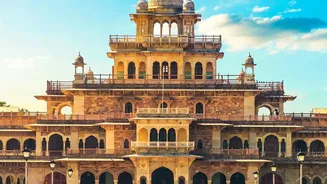
The journey begins in the Pink City, a historic centre of royal patronage for arts. While the city's architecture is legendary, its craft culture is just as compelling. Jaipur is the heartland of two iconic crafts: blue pottery and hand-block printing.
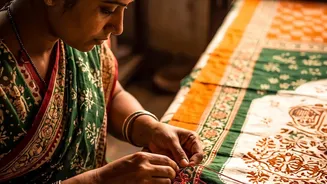
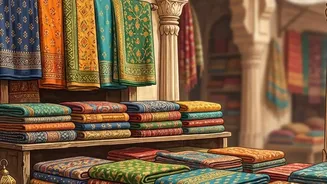
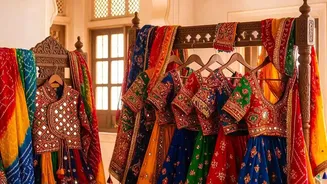
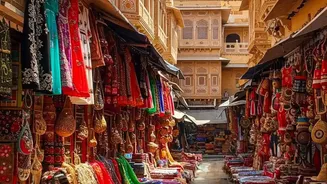
Blue pottery, with its Persian and Mongol origins, is not made from clay but from a unique dough of quartz powder, glass, and other minerals, resulting in its distinctive turquoise and cobalt hues. You can visit workshops to see artisans meticulously hand-paint floral and geometric motifs before the fragile pieces are fired. Many studios welcome visitors, and some, like the Jaipur Blue Pottery Art Centre, are run by families who have perfected the craft over generations. A short drive away are the villages of Sanganer and Bagru, epicentres of block printing. In Sanganer, you'll find delicate floral prints on white backgrounds, while Bagru is famous for its earthy tones and mud-resist 'dabu' printing. Watching a master printer align wooden blocks with precision is mesmerising, a rhythmic act that transforms plain cloth into a work of art. Many workshops offer hands-on sessions, allowing you to create your own souvenir.
Jodhpur: The World at Your Feet
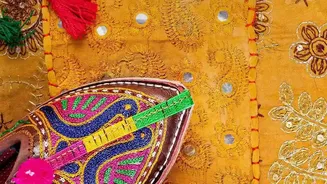
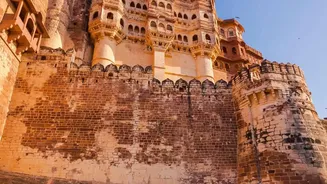
From Jaipur, the journey west leads to Jodhpur, the Blue City, where the craft of leatherwork takes centre stage. Jodhpur is famous for its 'mojaris' or 'juttis', traditional leather footwear once worn by royalty. This craft, which recently earned a Geographical Indication (GI) tag, is practised in thousands of households by artisans from the Jinagar community, who were traditionally saddle makers. In the city's markets, you can find mojari shops overflowing with footwear adorned with intricate embroidery, beads, and sequins. The process is entirely done by hand, from cutting and curing the leather to the detailed embroidery, which is often done by the women of the household. Beyond footwear, Jodhpur's workshops also produce a range of other leather goods, including bags, belts, and accessories, making it a hub for anyone who appreciates fine leather craftsmanship.
Udaipur: A World in Miniature
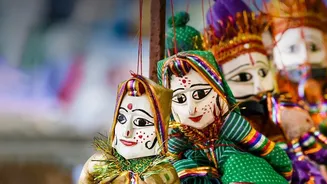
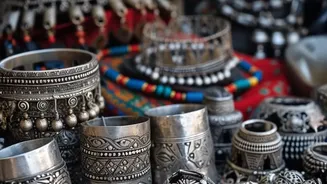
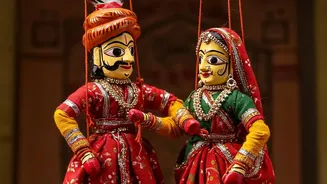
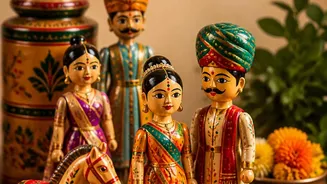
The city of lakes, Udaipur, offers a more tranquil but equally rich craft experience. It is the heart of the Mewar school of miniature painting, an art form that flourished under royal patronage. Walking through the old city's lanes, you’ll find numerous studios where artists, often from families who have painted for generations, are hunched over their work, using brushes sometimes made of a single squirrel hair. These intricate paintings depict court scenes, epic tales, and local landscapes on paper, silk, or even marble. Udaipur is also a centre for Pichwai paintings, large devotional cloth paintings from the nearby temple town of Nathdwara that celebrate the life of Lord Krishna. The city is also known for its silverwork, from delicate jewellery to ornate furniture, and for its 'kathputlis' or traditional string puppets, which you can see being made and performed.
The Desert Outposts: Weaving and Embroidery
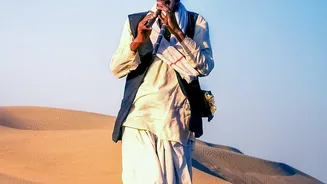
For the more adventurous, the desert regions around Jaisalmer and Barmer offer a glimpse into the rustic and resilient crafts of rural Rajasthan. In villages like Salawas near Jodhpur, you can see weavers create vibrant 'dhurries' (thick, flat-woven rugs) on traditional looms, their geometric patterns telling stories of desert life. Further into the desert, villages around Barmer are known for their stunning embroidery and applique work, often created by women from pastoralist communities like the Rabari. This is not just decoration; the patterns and motifs are a form of identity, representing community and personal skill. The crafts in these remote areas, from the rugged pottery of Pokhran to the carved wooden items of Jaisalmer, feel deeply connected to the harsh yet beautiful landscape. A visit here provides a powerful contrast to the more polished crafts of the big cities.