

The Lithium Bottleneck
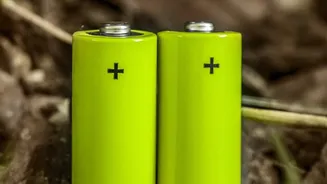
For years, the electric vehicle revolution has run on lithium, a metal often called "white gold." Lithium-ion batteries have been the default choice, but they come with significant drawbacks for India. Firstly, India has limited lithium reserves, forcing
manufacturers to rely on costly imports. This dependence on a handful of countries, like China, creates supply chain risks and price volatility that directly impact the final showroom price of an electric scooter. Secondly, lithium extraction is an environmentally intensive process. The high cost and geopolitical fragility of the lithium supply chain have been a persistent barrier to making EVs truly mainstream and affordable for the mass market in India.
Enter Sodium: The Abundant Alternative
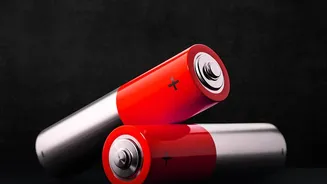
Sodium-ion batteries offer a powerful solution to the lithium problem. The core advantage is the raw material itself: sodium is one of the most abundant and inexpensive elements on Earth, easily derived from common sources like sea salt. This eliminates the reliance on scarce, imported metals. From a manufacturing standpoint, the chemistry of sodium-ion batteries is similar enough to lithium-ion that existing production lines can be adapted with minimal changes. While the technology is still scaling up, estimates suggest that sodium-ion batteries could be 15-40% cheaper to produce than their lithium-ion counterparts, offering a clear path to lower vehicle costs.
Made in India Innovations
Indian companies are moving quickly to capitalize on this opportunity, developing homegrown sodium-ion technology. Firms like Reliance New Energy, through its acquisition of UK-based Faradion, have made a major strategic pivot to sodium-ion, aiming to build a domestic supply chain. Startups are also playing a crucial role. Roorkee-based Indi Energy is pioneering a unique approach by creating battery components from agricultural waste, turning crop stubble into high-performance hard carbon for anodes. Other players like GODI, Uneverse, and Rechargion are also developing and commercializing sodium-ion cells specifically for Indian conditions, focusing on e-mobility. These efforts are critical for achieving 'Atmanirbhar Bharat' (self-reliant India) in the EV sector.
How Savings Reach the Showroom
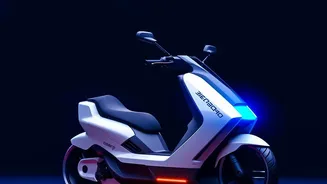
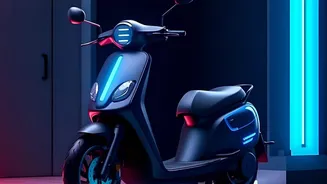
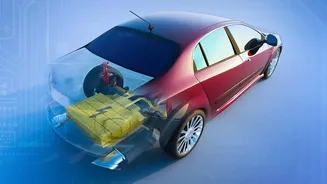
The battery pack is the single most expensive component of an electric scooter, often accounting for 40-50% of its total cost. By significantly reducing the price of the battery, manufacturers can pass those savings directly to consumers. A 30-40% reduction in battery cost could make electric scooters cheaper than their petrol-powered counterparts, even without government subsidies. Beyond cost, sodium-ion batteries offer other benefits perfect for the Indian market. They perform exceptionally well in a wider range of temperatures—both extreme heat and cold—and are inherently safer with a lower risk of fire compared to some lithium chemistries. These safety and durability features further enhance their appeal for everyday commuters.
The Road to Mass Adoption
While the potential is enormous, the transition won't happen overnight. Large-scale manufacturing is just beginning, and the supply chain for sodium-ion components needs to mature. Commercial deployment is expected to gather pace between 2026 and 2028, with two-wheelers and three-wheelers being the first segments to benefit. For now, sodium-ion batteries have a slightly lower energy density than lithium-ion, meaning a scooter might have a marginally shorter range for a battery of the same weight. However, for urban commuting where daily travel distances are predictable, this trade-off is widely seen as acceptable in exchange for a much lower purchase price. Analysts expect sodium-ion to find its niche in entry-level EVs and commercial fleets first, driving the next wave of EV adoption in India.