






The Unsung Hero: Why B12 Matters
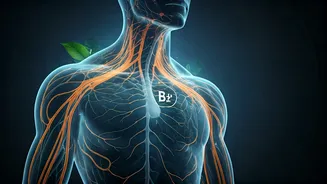
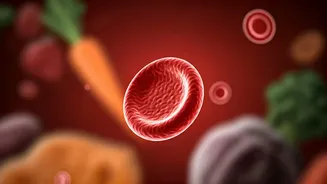
Vitamin B12, also known as cobalamin, is a crucial nutrient that often flies under the radar. It's essential for several vital bodily functions. Your body needs it to form healthy red blood cells, which carry oxygen throughout your system. It also plays
a key role in synthesizing DNA, the genetic material in all your cells, and is indispensable for the proper function and development of your brain and nerve cells. Without enough B12, these critical processes can be compromised, leading to a range of health issues that can develop slowly over years.
The Vegetarian and Vegan Dilemma
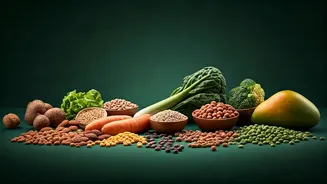
The primary challenge for vegetarians and vegans is that vitamin B12 is naturally found almost exclusively in animal products. Foods like meat, fish, poultry, eggs, and dairy products are the main dietary sources. Plants do not produce B12. This means that individuals following a strict vegetarian or vegan diet are at a significantly higher risk of developing a B12 deficiency if they don't take proactive steps. Even lacto-ovo vegetarians, who consume eggs and dairy, may not get enough, putting them at risk as well. The trend towards plant-based eating, while beneficial in many ways, has inadvertently increased the focus on this potential nutrient shortfall.
A Major Concern in India
In India, where a large portion of the population follows a vegetarian diet for cultural, religious, and economic reasons, B12 deficiency is a widespread public health issue. Studies show a high prevalence of low B12 levels among Indian vegetarians. One meta-analysis found that 65% of vegetarians in the studied Indian populations had inadequate cobalamin levels, compared to 32% of non-vegetarians. Another study in North India found B12 deficiency was significantly more common in vegetarians (28.33%) than in non-vegetarians (5.83%). This makes understanding and addressing this deficiency particularly critical for Indian audiences.
Warning Signs You Shouldn't Ignore
B12 deficiency can be sneaky, with symptoms that are often vague and can be attributed to other causes. Early signs might include persistent fatigue, weakness, constipation, or a loss of appetite. Some people experience a sore tongue or mouth ulcers. As the deficiency worsens, neurological symptoms can appear, such as numbness or tingling in the hands and feet, balance problems, memory issues, confusion, and even depression. Because these neurological symptoms can become irreversible if left untreated, it's vital to recognize the signs early and consult a doctor.
Bridging the Nutritional Gap
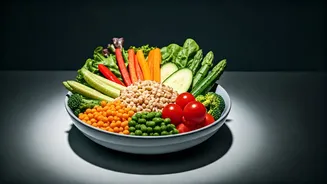
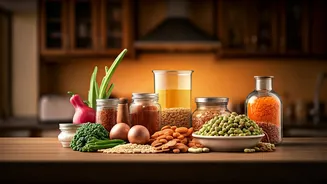
The good news is that preventing B12 deficiency on a vegetarian diet is straightforward with a little planning. The most reliable options are fortified foods and supplements. Many products are now enriched with B12, including breakfast cereals, plant-based milks (like soy, almond, and oat), and nutritional yeast. Nutritional yeast, in particular, is a popular choice for vegans as it has a cheesy flavour and is often heavily fortified with B12. For vegetarians, milk, cheese, yogurt, and eggs are good sources, but may not always be sufficient on their own.
Supplements and Medical Advice
For many vegetarians and all vegans, a B12 supplement is the most reliable way to meet their needs. Supplements are typically available as cyanocobalamin, a stable and well-researched form of the vitamin. If you suspect you have a deficiency, it's crucial to speak with a healthcare provider. A simple blood test can check your B12 levels. If a deficiency is confirmed, your doctor might recommend high-dose oral supplements or, in more severe cases, vitamin B12 injections to quickly restore your levels. This treatment resolves the problem for most people, especially when caught early.