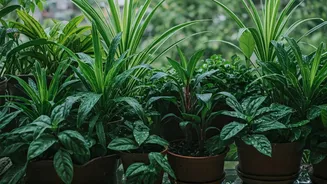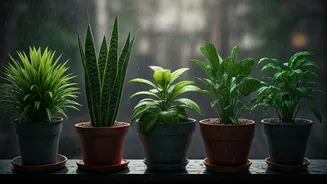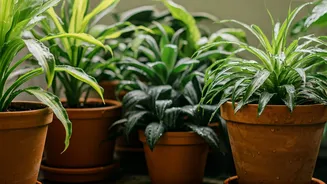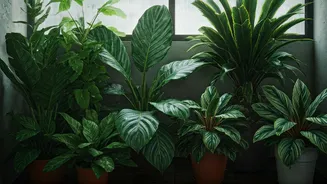





General Care During Monsoon
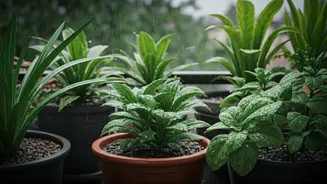
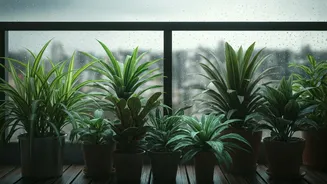
Before we dive into specific plants, remember a few key monsoon care tips. The biggest challenges this season are waterlogging and fungal infections due to high humidity and less sunlight. Ensure every pot has excellent drainage holes to prevent root
rot. It's wise to use a well-draining soil mix, perhaps with sand or cocopeat added, and elevate pots on stands to help excess water escape. Water only when the top inch of soil feels dry, as the humid air reduces evaporation. Good air circulation is also crucial to keep fungal issues at bay.
Hibiscus: The Classic Tropical Bloom
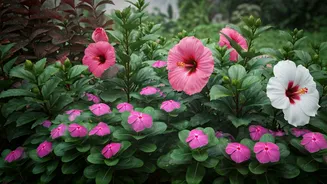
A staple in Indian homes, the Hibiscus truly comes alive during the monsoon. Its large, vibrant flowers in shades of red, pink, and yellow add a cheerful pop of colour to any balcony or garden. These plants flourish in the warm, moist climate of the rainy season. They are relatively low-maintenance but do appreciate regular pruning to encourage more blooms. As a sun-loving plant, ensure it gets as much light as possible on cloudy days. Hibiscus not only adds beauty but also attracts butterflies, bringing more life to your green corner.
Jasmine (Mogra): Fragrance in the Air
The fragrance of Jasmine, or Mogra, is deeply tied to the Indian monsoon. Its sweet scent intensifies in the cool, moist air after a shower, making it a seasonal favourite. This perennial flowering plant thrives during the rains, producing an abundance of its iconic white blooms. Jasmine prefers well-drained soil and a spot with partial to full sunlight. It's a culturally significant plant in India, often used in perfumes and offerings, and its presence can make your rainy evenings feel truly special.
Peace Lily: The Indoor Air Purifier
For those looking to brighten up indoor spaces, the Peace Lily is an excellent choice. These plants are known for their elegant white blooms and their tolerance for high humidity, making them perfect for the monsoon season. They are fantastic air purifiers and can thrive even in lower light conditions, which is a significant advantage during overcast rainy days. While they love moisture, it's important to let the soil dry out slightly between waterings to prevent root rot.
Ferns: The Quintessential Monsoon Greenery
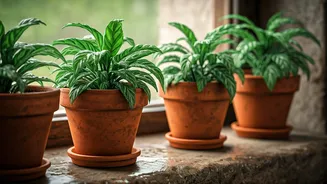
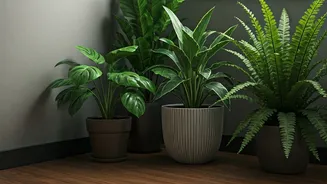
Ferns are perhaps the ultimate rain-loving plants. Varieties like the Boston Fern or Maidenhair Fern adore the high humidity that the Indian monsoon provides. Their lush, delicate fronds create a sense of a verdant forest floor right in your home or on a shaded balcony. They prefer dappled shade over direct sun and consistently moist soil. However, good ventilation is key for ferns, as they can be prone to fungal problems in stagnant, damp air.
Pothos (Devil's Ivy): The Forgiving Vine
If you're new to gardening, Pothos, or Devil's Ivy, is one of the most forgiving houseplants you can find. It gets its name from being notoriously hard to kill and can tolerate a bit of neglect. During the monsoon, it thrives in the moist air and can handle lower light levels. Its trailing vines with heart-shaped leaves can be styled beautifully on shelves or in hanging baskets. Pothos is also believed to bring good luck and prosperity into the home.
Rain Lily: The Magical Monsoon Bloom
As its name suggests, the Rain Lily is a magical flower that often bursts into bloom right after the first showers. These small, cheerful flowers come in shades of pink, white, and yellow, creating a carpet of colour in your garden or pots. They are incredibly low-maintenance and are perfect for adding a touch of sunshine to your space during the rains. Simply plant the bulbs, and nature will take care of the rest, rewarding you with surprising blooms throughout the season.