



The Radiant Marigold (Genda)
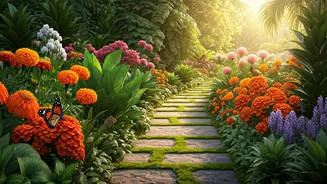
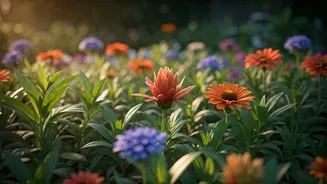
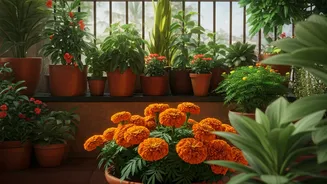
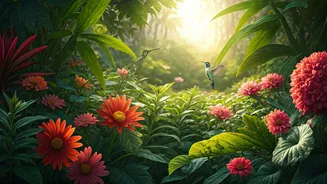
There's a reason marigolds are everywhere in India, from temple garlands to wedding decorations. These cheerful, sun-loving flowers are incredibly easy to grow and act as powerful magnets for pollinators. Their bright orange and yellow hues are a clear
'welcome' sign for bees and butterflies, who flock to them for nectar. Furthermore, marigolds are known for their pest-repelling properties, making them a fantastic companion plant in any garden. They thrive in full sun and well-drained soil, asking for very little in return for the burst of colour and life they bring. A few pots of genda on your balcony can create a mini-festival for local insects.
The Hardy Hibiscus (Gudhal)
With its large, showy petals, the hibiscus is a classic star of Indian gardens. But it's more than just a pretty face. The bell-shaped flowers are perfectly designed to be visited by sunbirds, which use their long beaks to drink the rich nectar. You'll also see a variety of butterflies, including the large and beautiful lime butterfly, fluttering around its blooms. The Gudhal plant is remarkably resilient, tolerating heat and a bit of neglect. It comes in a dazzling array of colours—red, pink, yellow, white—and can be grown in large pots or directly in the ground. It’s a low-effort, high-reward plant that serves beauty and biodiversity in equal measure.
The Fragrant Jasmine (Mogra/Chameli)
The intoxicating scent of jasmine on a warm evening is a core memory for many of us. This fragrance isn't just for our benefit; it's a signal to nocturnal pollinators. While bees visit during the day, the powerful perfume of Mogra or Chameli attracts moths after dusk. These unsung heroes of the night play a crucial role in the ecosystem. Jasmine vines are perfect for trellises or railings, creating a fragrant green curtain. They prefer a sunny spot but appreciate some afternoon shade. Regular watering and pruning after the flowering season will keep them healthy and blooming, filling your nights with perfume and purpose.
The Sacred Holy Basil (Tulsi)
No Indian home feels quite complete without a Tulsi plant. Revered for its spiritual and medicinal properties, this humble herb is also a powerhouse for nature. Its tiny, delicate flowers might not be as dramatic as a hibiscus, but they are a feast for small native bees and other beneficial insects. These pollinators are essential for the health of our local environment. Tulsi is incredibly easy to maintain in a pot, requiring only regular sunlight and water. By keeping a Tulsi plant, you're not just honouring a tradition; you're actively providing a food source for some of the smallest but most important members of your local ecosystem.
The Aromatic Curry Leaf Plant (Kadi Patta)
Valued in every Indian kitchen, the Kadi Patta plant is also a favourite in the natural world. While we love its leaves for tadka, its small white flowers are an important source of nectar for bees and wasps. More importantly, the curry leaf plant is the host plant for the Common Mormon butterfly. This means the butterfly specifically seeks out this plant to lay its eggs. By planting one, you're not just growing an ingredient; you're creating a nursery for the next generation of butterflies. It's a beautiful, direct way to participate in the circle of life right outside your kitchen window.