





The Hotel Workation: Seamless and Structured
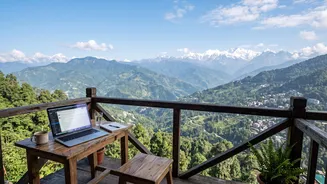
Choosing a hotel in Gangtok for a workation is about prioritising convenience and a structured environment. Hotels, especially chains, are increasingly offering work-friendly packages that cater directly to digital professionals. Expect amenities like
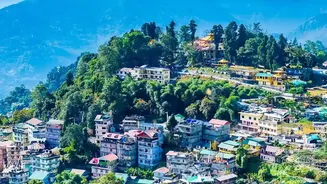
a dedicated work desk in your room, high-speed Wi-Fi, and, crucially, power backup—a significant advantage in hilly regions where power cuts can be unpredictable. This setup is ideal for those with demanding jobs that require constant, reliable connectivity for video calls and tight deadlines. The environment is professional and distraction-free. Services like room service, laundry, and in-house restaurants mean you can outsource daily chores and maximise focus on work. Many hotels are also centrally located, often near MG Marg, providing easy access to cafes and other urban facilities without the need for long commutes. However, this convenience can come at a higher cost, and the experience might feel more generic and less connected to the local Sikkimese culture.
The Eco-Homestay: Authentic and Immersive
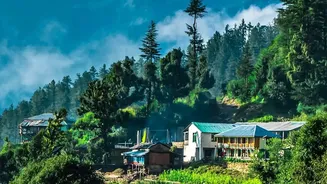
A long-stay eco-homestay offers a completely different proposition: immersion. Driven by a desire for authentic experiences, many remote workers are opting for homestays in villages around Gangtok, like Yakten, which is being developed as a digital nomad village. These stays allow you to live with local families, enjoy home-cooked organic meals, and experience Sikkimese culture firsthand. The pace is slower, the surroundings are deeply connected to nature, and the sense of community is strong. For creatives, writers, or anyone seeking a mental reset, this environment can be incredibly inspiring. Many homestays, especially those listed on platforms for digital nomads, are now verified for hygiene and offer reliable Wi-Fi. The primary draw is the blend of work with meaningful cultural exchange and supporting the local economy directly. The trade-off might be less consistent services compared to a hotel. While Wi-Fi is available, it might not always match hotel speeds, and you'll have fewer on-demand amenities.
Connectivity: The Deciding Factor
For any remote worker, internet is non-negotiable. In Gangtok's main city area, both Jio and Airtel offer strong 4G and even 5G connectivity, and many hotels and cafes provide reliable broadband. Hotels specifically catering to workations often guarantee high-speed connections and have generators to counter power outages. Eco-homestays, particularly those in dedicated digital nomad villages like Yakten, are also being equipped with high-speed internet to attract long-stay visitors. However, if you venture further into more remote, offbeat homestays, connectivity can become sporadic. It is always wise to confirm the internet situation with your host beforehand and carry a mobile dongle (Jio or Airtel) as a backup, regardless of where you stay. For work that involves heavy data usage or frequent, high-stakes video calls, a hotel in central Gangtok remains the safest bet.
Cost: A Tale of Two Budgets
Your budget will play a significant role in your decision. On a per-night basis, hotels are generally more expensive, with mid-range options in Gangtok costing between ₹2,000 and ₹5,000 per night. While some offer all-inclusive workation packages, the costs can add up over a longer period. In contrast, homestays are far more budget-friendly for extended stays. A room in a homestay can range from ₹800 to ₹1,500 per night, and many hosts offer discounted weekly or monthly rates. These rates often include simple, home-cooked meals, offering incredible value and saving you the expense of eating out for every meal. While a hotel offers luxury and convenience for its price, a homestay provides an affordable, culturally rich experience that is easier on the wallet for a stay spanning several weeks or months.
Community and Lifestyle: Solo Focus vs. Social Immersion
The final piece of the puzzle is the lifestyle you seek. A hotel offers privacy and solitude, which can be perfect for deep work and introverted personalities. Your interactions are likely to be formal and limited to staff. An eco-homestay, by its very nature, is a social experience. You'll share spaces and conversations with your host family and potentially other travellers. This can lead to lasting friendships, a deeper understanding of the local way of life, and a strong sense of belonging. Homestays often facilitate activities like village walks, learning about organic farming, or participating in local festivals. If you are looking to build connections and feel part of a community, a homestay is the clear winner. If you prefer a quiet, anonymous base to work from, a hotel will better suit your needs.