


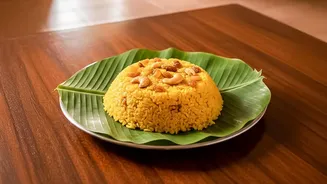

The Soul of the Pandal
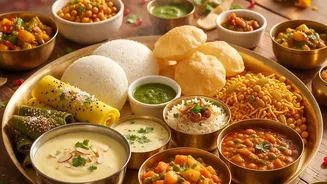
Durga Puja bhog is more than just a meal; it's a sacred offering, or prasad, prepared with the utmost care and devotion. Traditionally cooked without onion or garlic, this sattvic food is first offered to the Goddess before being distributed among devotees.
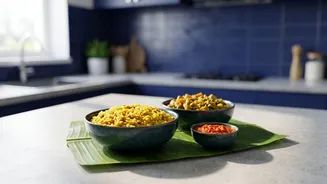
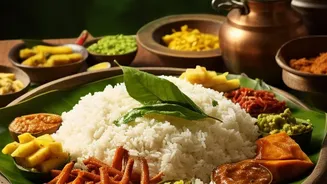
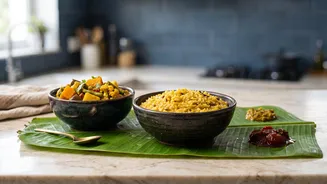
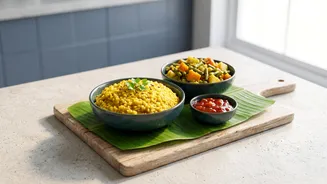
It represents purity, community, and the blessings of Maa Durga. The quintessential bhog thali, a memory cherished by many, almost always features a golden khichuri, a medley of vegetables known as labra, and a sweet and tangy chutney. Recreating this meal is a way to connect with the deep cultural and spiritual essence of the festival, filling your home with the aromas and warmth of the pandal.
Bhoger Khichuri: The Divine Centrepiece
The star of the bhog is undoubtedly the khichuri. It’s not your everyday affair but a richer, more aromatic version. The secret lies in dry-roasting sona moong dal until it releases a nutty fragrance and using a short-grained, aromatic rice like Gobindobhog. The dish is cooked in ghee, tempered with whole spices like cinnamon, cardamom, and cloves, along with cumin seeds and bay leaves. Vegetables such as potatoes, cauliflower, and green peas are often added, first fried in ghee to deepen their flavour before being mixed into the rice and dal. The final consistency should be thick and luscious, finished with another spoonful of ghee and a touch of sugar to balance the flavours.
Your Guide to Perfect Bhoger Khichuri
To make this dish for 4-6 people, you will need about 1 cup of Gobindobhog rice and 1 cup of yellow moong dal. Start by dry-roasting the moong dal in a heavy-bottomed pan until fragrant and golden. Wash both the rice and the roasted dal. In a large pot, heat a few tablespoons of ghee and fry cubed potatoes and cauliflower florets until lightly browned, then set them aside. In the same pot, add more ghee and temper with 1 tsp cumin seeds, 2 bay leaves, 2-3 green cardamoms, 2-3 cloves, and a small stick of cinnamon. Add 1 tbsp of grated ginger and sauté for a moment before adding the washed rice and dal. Stir for a couple of minutes, then add about 6-8 cups of hot water, 1 tsp of turmeric powder, and salt to taste. Let it simmer, and once the dal is halfway cooked, add the fried vegetables and green peas. Continue to cook, stirring occasionally, until the rice and dal are soft and the khichuri is thick. Finish with 1 tsp of sugar and 1 tbsp of ghee before serving.
Labra: A Harmonious Vegetable Medley
Labra is a quintessential Bengali mixed-vegetable dish that perfectly complements the khichuri. There's no strict recipe; it's more of a concept, using a variety of seasonal vegetables cooked together until they meld into a harmonious whole. Typical vegetables include pumpkin, potatoes, brinjal, radish, and cauliflower. The distinct flavour of labra comes from 'paanch phoron', a Bengali five-spice blend of mustard, fennel, cumin, nigella, and fenugreek seeds. The vegetables are cooked in mustard oil, seasoned with ginger paste and basic spices, and often finished with a touch of sugar and a sprinkle of bhaja masala (dry-roasted and ground spices) for an extra layer of aroma.
Crafting the Perfect Labra
To prepare labra, heat a few tablespoons of mustard oil in a pan. Add 1 tsp of paanch phoron and a couple of dried red chillies. When the spices start to crackle, add the hard vegetables first, like potatoes and pumpkin, cut into cubes. Sauté for a few minutes before adding softer vegetables like brinjal and cauliflower florets. Add salt and about 1 tsp of turmeric powder, then cover and cook on a low flame, allowing the vegetables to release their own moisture. Once the vegetables are nearly tender, add grated ginger, and powders of cumin and coriander if you wish. Stir well and cook until all the vegetables are soft and have come together in a mishmash consistency. A pinch of sugar helps balance the flavours. Some recipes also call for spinach, added towards the end of the cooking process. Serve hot, garnished with a drizzle of fresh mustard oil if desired.
Tomato Chutney: The Sweet and Tangy Finish
No bhog thali is complete without a side of sweet and tangy chutney, which cleanses the palate. The most common variant is a glistening tomato chutney, often enriched with dates (khejur) and sometimes mango leather (aamshotto). This chutney is simple to make but delivers a complex burst of flavour. Ripe tomatoes are cooked down with sugar or jaggery until they become jam-like. The tempering is usually done with mustard seeds and a dried red chilli in a bit of oil. The addition of dates provides natural sweetness and a lovely texture. It's the perfect sweet note to end the savoury part of the meal before moving on to dessert.