






The New Focus on the Smallest Details
The Food Safety and Standards Authority of India (FSSAI) has sharpened its focus on a frequently overlooked aspect of food safety: the equipment that touches our food daily. In a recent advisory, FSSAI directed all food business operators, from large
restaurants to local street vendors, to ensure that all cutting equipment, including knives and blades, is food-grade, non-toxic, and corrosion-resistant. The directive noted that inspections found businesses using rusted, corroded, chipped, or otherwise damaged tools for preparing food. This move signals a significant shift, expanding the definition of food safety from just the ingredients to everything that comes into contact with them, no matter how small or seemingly insignificant.
What Are 'Food Contact Materials'?
The core of the regulation revolves around what are known as 'food contact materials'. This term covers any material intended to touch food, including utensils, cookware, containers, packaging, and preparation surfaces. The FSSAI's long-standing Schedule 4 regulations require these materials to be non-toxic, non-absorbent, and resistant to corrosion so they do not leach harmful substances into the food. The problem arises when low-quality materials are used. Rusted knives can shed metallic particles, chipped enamel on cookware can expose underlying metals, and certain plastics can release chemicals like BPA when heated. These contaminants can pose physical, chemical, and microbiological risks to consumers.
From Rusted Knives to Contaminated Food
The link between a rusty knife and a health risk might not seem obvious, but FSSAI warns it is a direct one. Flakes of rust, chipped metal, or fragments from a damaged blade can easily mix with food, creating a physical hazard. Beyond that, corroded surfaces are porous and difficult to clean properly, allowing harmful bacteria to grow and contaminate food. Similarly, the use of newspaper to wrap food, a common practice in many small establishments, is explicitly prohibited because the printing ink often contains heavy metals like lead that can migrate into the food. The new push is to ensure every link in the food preparation chain is secure, from the factory to the fork.
The Standard for Safety: Food-Grade Materials
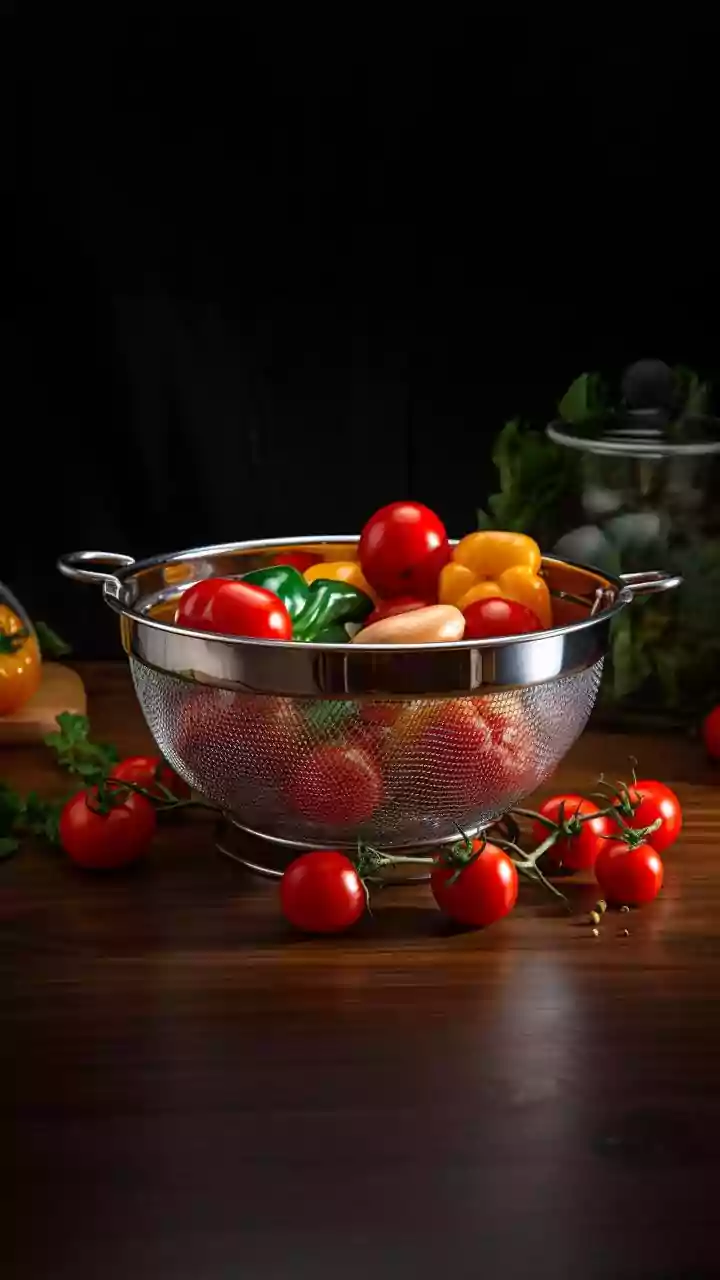
So what is the benchmark for safety? For commercial kitchens, FSSAI guidelines point towards Grade 304 stainless steel as the standard for food contact surfaces. This material is chosen for its durability and resistance to rust, acid, and heat. The rules also extend to colour-coded chopping boards to prevent cross-contamination between raw meat and vegetables, and mandate that all equipment be designed for easy and thorough cleaning, with no crevices where food particles can hide. For plastics, FSSAI has specific Indian Standards for different polymers to ensure they are safe for food contact and do not contain harmful substances like BPA, especially in items like baby bottles and food containers.
Impact on Businesses and Consumers
For food businesses, this heightened scrutiny means an increased responsibility to inspect and maintain their equipment. The directive explicitly states that any non-compliant tools must be immediately removed and replaced. FSSAI has warned that failure to comply will result in action under the Food Safety and Standards Act, 2006, which can include hefty fines. While this may increase costs for some operators, particularly smaller ones, the long-term goal is to build greater consumer trust and elevate India's overall food safety culture. For consumers, this regulation offers an added layer of assurance that the food they eat, whether at a restaurant or from a street cart, has been prepared using safe and hygienic tools. It reinforces the idea that food safety is a shared responsibility, extending from regulators to the person wielding the knife in the kitchen.