


As air quality declines, a mask is a child’s first line of defence. But a mask is only effective if it's the right kind, fits properly, and is in good condition. Here's how to choose wisely and know exactly when a replacement is due.
The Right Mask for Real Protection
When it comes to protecting
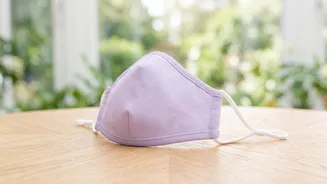
children from fine particulate matter like PM2.5, not all masks are created equal. Thin surgical masks or simple cloth masks offer minimal protection against these invisible pollutants. Experts recommend choosing a certified respirator specifically designed for children. Look for masks with an N95, KN95, or FFP2 rating, as these are designed to filter at least 95% of airborne particles. While fun designs and cartoon characters might make a mask more appealing to a child, certification and fit should be the top priorities. Ensure the mask has adjustable straps and a soft inner layer for comfort. Paediatricians generally recommend these types of masks for children above the age of five or six. Children under the age of two should never wear masks due to the risk of suffocation.
Why the Fit Is Everything
A high-quality mask offers little protection if polluted air can leak in through gaps. A proper fit is just as important as the filtration rating. A child's mask should sit snugly against the face, fully covering their nose, mouth, and chin without obstructing their vision. Check for gaps around the cheeks and the bridge of the nose. One simple test is to see if their glasses fog up when they exhale; if they do, the seal around the nose isn't tight enough. The mask should stay in place even when the child talks or moves their head. Many children's masks come with adjustable ear loops and a mouldable nose clip, which are crucial for creating a secure seal. Using an adult-sized mask by folding it or knotting the straps is not a safe alternative, as this creates gaps and compromises protection.
Key Signs It’s Time for a New Mask
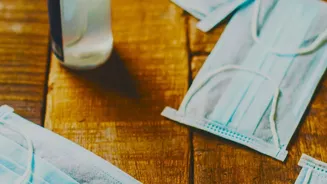
Disposable respirators are not meant to be used indefinitely. The headline question of when to replace a mask doesn't have a single, one-size-fits-all answer, but there are clear signs to watch for. First and foremost, follow the manufacturer's instructions for recommended usage time. Beyond that, a mask should be replaced immediately if it shows visible damage, such as tears, holes, or frayed straps. If the straps become stretched out and no longer provide a snug fit, the seal is compromised, and the mask is no longer effective. Another key indicator is dirt or moisture. If the mask becomes visibly soiled, damp, or wet, its filtration ability can be reduced, and it should be discarded. Finally, if your child finds it noticeably more difficult to breathe through the mask, it is likely clogged with particles and needs to be replaced.
The Dangers of a Damaged or Dirty Mask
Using a mask beyond its effective lifespan is not just unhelpful; it can be actively harmful. A dirty mask can become a breeding ground for bacteria and germs, which a child then breathes in. This can lead to skin irritation, rashes, acne, or even a sore throat. More importantly, the filtration efficiency of the mask is significantly compromised. A damaged seal allows polluted air to bypass the filter entirely, giving a false sense of security. Furthermore, disposable N95-type masks should never be washed. Water and disinfectants can destroy the electrostatic charge that is critical for filtering out tiny particles, rendering the mask ineffective. Sharing masks between children is also a significant health risk and should be strictly avoided.
Storing and Caring for Masks
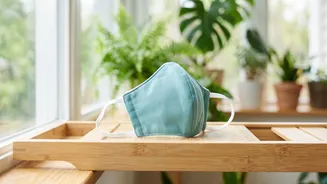
Proper storage is essential to keep a mask clean and effective between uses. When not being worn, a mask should be stored in a clean, dry place, such as a paper bag or a breathable container. This protects it from contamination and helps it air out. If you are using reusable cloth masks for general purposes (though not recommended for high pollution), they should be washed after every use in hot water with a gentle detergent. For reusable respirators with replaceable filters, it's crucial to inspect the mask body for cracks or wear and replace filters according to the manufacturer's guidelines or when breathing becomes difficult. For disposable masks, which are common for pollution protection, having spares on hand is a good practice, especially if a child is likely to be outdoors for an extended period.