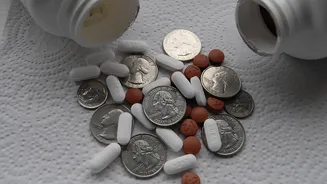






For millions managing type 2 diabetes, a new study has a critical message: stopping certain medications could have life-threatening consequences. Research shows that discontinuing a popular class of diabetes drugs is linked to a doubled risk of heart
attack or stroke.
A Major Study Sounds the Alarm
A large-scale Italian study published in early November 2026 has uncovered a startling link between medication adherence and cardiovascular health for people with type 2 diabetes. The research, which tracked over 80,000 individuals, found that patients who stopped taking their prescribed GLP-1 receptor agonist drugs faced approximately double the risk of a major adverse event—specifically a non-fatal heart attack, a non-fatal stroke, or death from any cause—compared to those who continued their treatment. The findings translate to roughly four serious events per 100 people per year among those who ceased treatment, versus just two events for those who stayed on the medication. This highlights that the benefits of these drugs may depend heavily on consistent, long-term use.
Understanding the Medications in Question
The drugs at the center of this research are known as GLP-1 receptor agonists (GLP-1 RAs). This modern class of medication has become a cornerstone in managing type 2 diabetes. They work by mimicking a natural hormone that helps regulate blood sugar, but their benefits extend far beyond that. Clinical evidence has shown they also offer significant cardioprotective effects, helping to safeguard the heart and blood vessels. They can also lead to weight loss, which further helps in managing the overall health of a person with diabetes. Common reasons patients stop taking these drugs include gastrointestinal side effects, cost, or a perception that they are no longer needed, but this new research suggests that discontinuation erases the protective benefits.
Why Does Stopping Increase Risk?
The cardioprotective qualities of GLP-1 drugs are a key reason they are prescribed, especially for patients with or at high risk for heart disease. These medications do more than just lower blood sugar; they have a positive impact on blood pressure, inflammation, and cholesterol levels. When treatment is stopped, patients can experience a 'metabolic whiplash'. According to researchers from a similar American study conducted earlier in 2026, it's not just that the benefits disappear; the abrupt withdrawal can cause a resurgence in these risk factors. Interestingly, the Italian study noted that physical changes in weight, blood sugar, and blood pressure after stopping were only modest, suggesting the drugs may have a more direct protective effect on the cardiovascular system that is lost upon cessation.
Context Is Crucial: What to Keep in Mind
It is important to note that this was an observational study. This means it identified a strong association, but cannot definitively prove that stopping the medication was the direct cause of the increased heart attacks and strokes. It is possible that the patients who stopped treatment were already in poorer health for other reasons, which may have contributed to both the discontinuation and the adverse outcomes. Researchers also pointed out they did not always know why a patient stopped their medication. Regardless, the trend is statistically significant and reinforces the idea that these are longterm treatments, not shortterm fixes. The findings are a powerful reminder that the decision to stop any prescribed medication should not be taken lightly.
What Should Patients Do With This Information?
The key takeaway from this study is not to induce panic, but to encourage a conversation. If you are taking a GLP‑1 medication for type 2 diabetes, it is crucial that you do not stop or alter your dosage without first consulting your doctor. If you are experiencing difficult side effects, struggling with the cost, or feel your health goals have been met, your doctor can provide guidance. They may be able to adjust the dosage, suggest ways to manage side effects, or explore alternative treatments that still offer the cardiovascular protection you need. These medications are often intended for continuous, long‑term use to maintain their protective benefits. Think of them less like a temporary cure and more like a permanent shield for your heart.