






What Is the PJ.2.1 Variant?
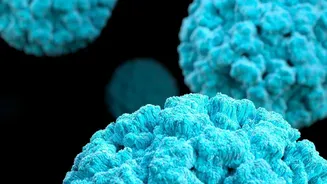
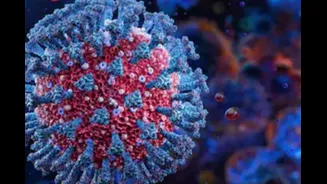
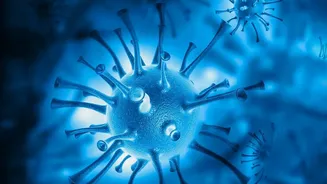
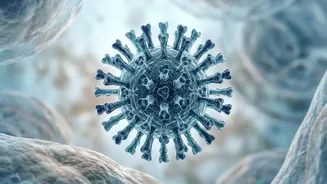
PJ.2.1 is a new variant of SARS-CoV-2, the virus that causes COVID-19. It was first identified in Ontario, Canada, in a sample collected on May 2, 2026. It is a descendant of the JN.1 lineage, which has been circulating globally. Scientists describe PJ.2.1 as a 'saltation
variant', which means it appeared with a relatively high number of genetic changes at once, particularly in its spike protein. This part of the virus is crucial as it's what allows it to enter human cells. Preliminary lab research suggests these mutations may increase the virus's ability to bind to our cells.
Where Has It Been Detected?
Since its initial detection in Canada, PJ.2.1 has been identified through genomic surveillance in multiple countries across North America, Europe, Asia, and Oceania. Cases have been reported in the United States, starting in New York City on June 30, 2026, and since then in several other states. It has also been found in countries like Spain, France, Israel, Singapore, Australia, and New Zealand. While the World Health Organization (WHO) is monitoring its spread, there is currently no evidence that the variant has been detected in India. Indian genomic surveillance programs like INSACOG continue to monitor for new variants.
Is It More Severe or Transmissible?
This is the question on everyone's mind with any new variant. Currently, there is no evidence to suggest that PJ.2.1 causes more severe illness, a higher rate of hospitalisation, or death compared to other circulating variants. While lab studies indicate it might be more efficient at entering cells, this doesn't automatically mean it is more dangerous in real-world conditions. Health experts emphasise the important distinction between a variant spreading more easily and it causing more severe disease; the two do not always go hand-in-hand. The WHO has noted that it is not yet classifying PJ.2.1 as a variant of interest or concern.
What Are the Symptoms?
There are no unique symptoms that specifically point to a PJ.2.1 infection. The symptoms reported are consistent with other COVID-19 variants and overlap heavily with other respiratory illnesses like the common cold and flu. These include fever, cough, sore throat, fatigue, headache, and a runny or blocked nose. Some people might also experience digestive issues or a change in their sense of taste or smell. Because the symptoms are so similar, the WHO advises that testing is the only reliable way to confirm a COVID-19 infection.
Do Vaccines Work Against It?
Preliminary data offers some reassurance on the vaccine front. Laboratory studies have found that PJ.2.1 does not seem to significantly evade the antibodies produced by updated COVID-19 vaccines. One study found that antibodies from people who received an adapted vaccine were able to neutralize PJ.2.1, with only a modest drop in effectiveness. This suggests that current vaccines should still provide a good degree of protection against severe disease from this variant. The WHO continues to recommend vaccination as a crucial measure to reduce the risk of severe outcomes from COVID-19, especially for those in high-risk groups.