


From the Lab to the Street
For years, vehicle emissions were measured in a controlled laboratory environment. Think of it like a treadmill test for a car, running on a 'rolling road' under predictable conditions. These tests, part of standards like BS-IV and the initial BS-VI,
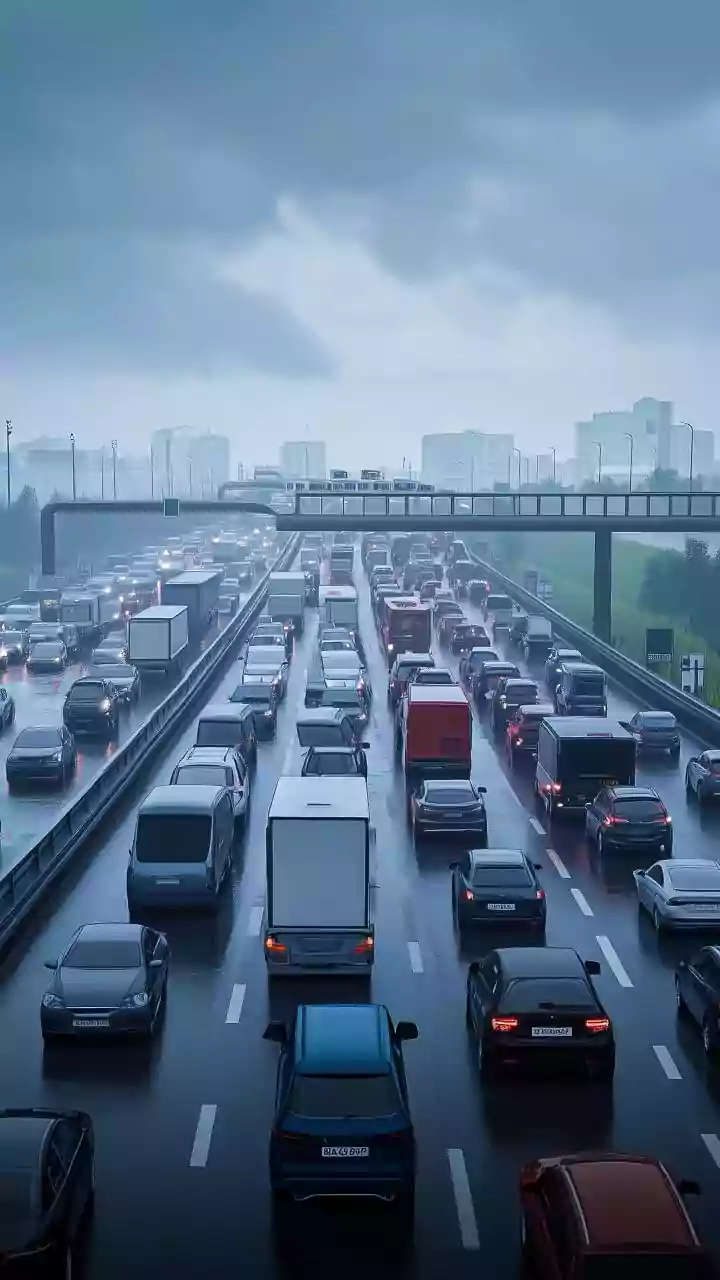
provided a baseline. However, the real world is anything but predictable. Stop-and-go traffic, sudden acceleration, uphill climbs, and the use of air conditioning all dramatically change how much a vehicle pollutes. This created a gap between the certified emissions figures and the actual pollution vehicles produced on our roads.
Why 'Perfect Conditions' Weren't Enough
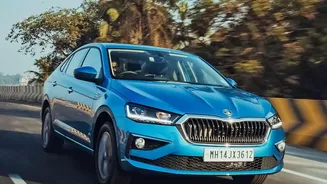
The problem with lab-only tests became globally infamous with the 'Dieselgate' scandal, where some manufacturers used software to make their cars seem cleaner during testing than they were in reality. While this was an extreme case, it highlighted a fundamental issue: lab tests don't capture the full picture. A car driven on the smooth, predictable cycle of a lab test is very different from one navigating the chaotic traffic of Mumbai or the steep inclines of the Himalayas. The need for a more honest and accurate method of measuring pollution became undeniable to ensure regulations led to genuinely cleaner air.
Enter RDE: The Real-World Reality Check
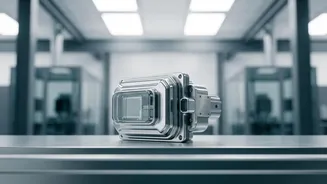
This is where Real-World Driving Emissions (RDE) testing comes in. Instead of a lab, RDE tests happen on actual roads—in cities, on rural roads, and on highways. To do this, a sophisticated device called a Portable Emission Measurement System (PEMS) is attached to the vehicle's exhaust. This shoebox-sized lab-on-the-go measures pollutants like Nitrogen Oxides (NOx) and Particulate Matter (PM) in real-time as the car is driven normally. India first introduced RDE as part of the BS-VI Phase 2 norms in April 2023, making it mandatory for vehicles to meet emission limits not just in the lab, but out on the streets.
BS-VII: Raising the Bar for Clean Air
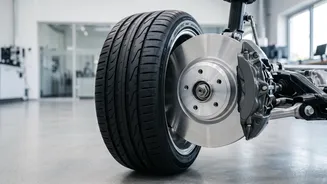
The proposed Bharat Stage VII (BS-VII) norms, expected to be rolled out in phases starting from April 2029, build directly on this foundation. While BS-VI introduced RDE, BS-VII aims to tighten the standards significantly. It proposes to ensure that vehicles comply with emission norms over a longer portion of their lifespan—up to 160,000 km or eight years. Furthermore, the proposed rules look beyond just exhaust fumes, introducing regulations for the first time on particulate matter from brake wear and tyre abrasion. This is crucial because even electric vehicles, with no tailpipe emissions, produce these non-exhaust pollutants. The new norms will also monitor smaller, more harmful ultrafine particles by lowering the measurement threshold.
What This Means for You and Your Next Car
The shift to stricter RDE-based norms under BS-VII will have a tangible impact. For automakers, it requires more advanced and durable emission control systems, like enhanced Selective Catalytic Reduction (SCR) for diesel engines and more sophisticated onboard diagnostics (OBD). This added technology will likely lead to an in crease in the upfront cost of new vehicles. For you, the buyer, this means potentially higher prices but also the assurance that your vehicle is genuinely cleaner and more efficient in everyday use. The rules also propose durability standards for EV batteries, ensuring they retain a certain percentage of their capacity over several years. These regulations won't affect existing cars, so a BS-VI vehicle will not become obsolete.