





An Unshakeable Belief in Real Estate
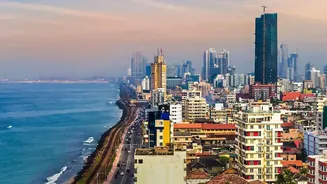
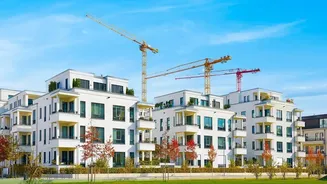
Mumbai runs on aspiration, and nothing symbolises financial arrival quite like owning a home in the city. This deep-seated cultural preference for property ownership is a primary driver of the market's resilience. For many, real estate is not just shelter
but the safest and most reliable long-term investment, a tangible asset in a volatile world. This confidence, backed by India's positive economic growth outlook and rising per-capita income, means that a steady stream of buyers remains willing to enter the market. Recent data confirms this sentiment, with property registrations in the first half of 2026 showing a 6% year-on-year increase and marking the strongest performance for this period since 2013. Even in August 2026, registrations saw an 11% annual jump, demonstrating sustained buyer interest.
The Infrastructure Revolution
A massive city-wide infrastructure upgrade is fundamentally redrawing Mumbai's map of desirability. Mega-projects like the Mumbai Trans Harbour Sea Link (MTHL), the Coastal Road, and the expanding Metro network are drastically cutting commute times. This has a direct and powerful impact on property values, with some areas near new transit corridors seeing appreciation of 10% to 40%. Areas like Navi Mumbai, once considered distant suburbs, are now being integrated into the core city, with prices in influence zones like Ulwe and Panvel surging. This infrastructure boom allows buyers to look beyond traditionally prime locations to newly accessible micro-markets, justifying high entry prices with the promise of future convenience and value appreciation.
The Shift to Quality of Life
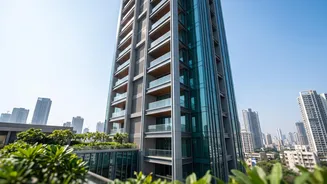
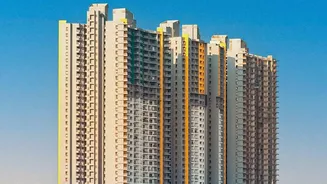
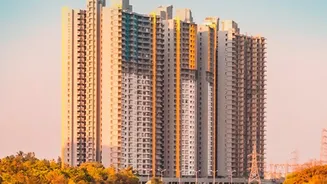
Today’s homebuyers are looking for more than just a place to live; they are investing in a lifestyle. Priorities have evolved, with an increasing emphasis on larger, more efficiently designed spaces, better amenities, and a healthier living environment. Buyers are demonstrating a willingness to stretch their budgets for projects that offer wellness features, usable open areas, and strong social infrastructure like schools and hospitals. This trend is visible in the demand for integrated townships and well-planned communities. Furthermore, with land being scarce, redevelopment projects have become a crucial source of new housing in established, well-connected neighbourhoods, allowing buyers to access modern homes without moving to the city's periphery.
Favourable Financial Conditions
While property prices are high, the financial environment has remained supportive. Relatively stable home loan interest rates have helped keep monthly EMIs manageable for many, boosting buyer confidence. Developers, eager to maintain sales momentum, often roll out attractive payment plans, discounts, and other incentives that make the initial financial burden easier for purchasers. This combination of accessible financing and developer-led deals helps bridge the affordability gap, enabling a significant number of end-users to finalise their purchases. This is not a market driven purely by speculation; it is largely powered by genuine homebuyers making long-term decisions based on their needs and financial capacity.