






Choose the Right Plants
Success starts with selecting plants suited to your specific balcony conditions. Before buying, observe your space. Does it get intense, all-day sun, or is it mostly shady? Is it exposed to strong winds? South-facing balconies are great for sun-lovers
like hibiscus, bougainvillea, and most vegetables. North-facing or shaded balconies are better for ferns, pothos, and peace lilies. For a classic Indian balcony, consider herbs like tulsi, mint, and coriander, or flowers like marigolds, which are relatively low-maintenance. If you're a beginner, start with forgiving plants to build your confidence.
Provide a Proper Home: Pots and Soil
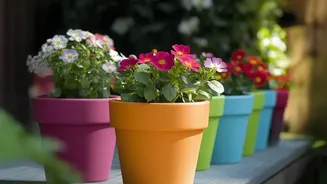
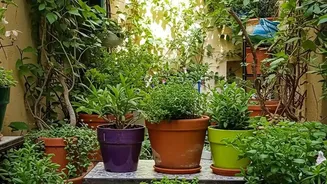
Balcony plants depend entirely on their containers for nutrients, water, and support. Ensure every pot has drainage holes to prevent waterlogging and root rot, a common issue in container gardening. Using saucers underneath can catch excess water and prevent drips onto neighbours below. The pot material matters, too; terracotta pots are porous and dry out faster, while plastic or resin pots retain moisture longer and are more lightweight. Don't use heavy garden soil. Instead, opt for a high-quality, lightweight potting mix designed for containers, as this provides the right balance of drainage and aeration.
Master Your Watering Routine
Container plants dry out much faster than those in the ground, especially on hot or windy days. However, the biggest mistake is watering on a fixed schedule. Always check the soil first. A simple trick is to stick your finger about two inches into the soil; if it feels dry, it's time to water. When you do water, do it thoroughly until you see it running out of the drainage holes. This encourages deep root growth. Watering in the early morning or late afternoon is best to minimise evaporation.
Understand Your Sunlight
Sunlight is the most critical factor for plant health, and its patterns can be tricky on a balcony. Observe how the sun moves across your space throughout the day. A south-facing balcony generally gets the most direct sun, while a north-facing one gets the least. East-facing spots get gentler morning sun, and west-facing ones receive intense afternoon heat. Remember that nearby buildings can cast shadows or reflect light, changing the conditions. Group plants with similar light needs together to make care easier and ensure each one thrives.
Feed Your Plants Regularly
Watering leaches nutrients out of the potting soil over time, so you'll need to replenish them. Most container plants benefit from regular feeding, especially during their growing season. A balanced, all-purpose liquid fertilizer applied every few weeks is a great starting point. For flowering or fruiting plants, a 'bloom booster' fertilizer with higher phosphorus can be beneficial. Alternatively, you can mix a slow-release fertilizer into the soil when planting, which provides nutrients over several months. Always follow the package instructions to avoid over-fertilizing, which can burn the roots.
Watch for Pests
Because they are outdoors, balcony plants are exposed to pests. Common culprits include aphids, spider mites, and mealybugs. Inspect your plants regularly, paying close attention to the undersides of leaves and new growth. Catching an infestation early makes it much easier to manage. For most common pests, a simple solution of neem oil mixed with water and a little soap is an effective organic treatment. Planting pest-repelling companion plants like marigolds or basil can also help keep unwanted insects away.