




The Sourdough Craze
Sourdough isn't new, but its recent surge in popularity is undeniable. What began for many as a lockdown hobby has evolved into a full-blown culinary passion, especially among health-conscious urban millennials in India. Unlike commercial bread made with
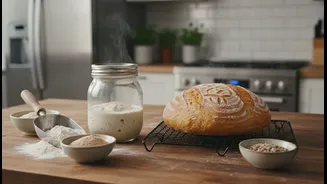
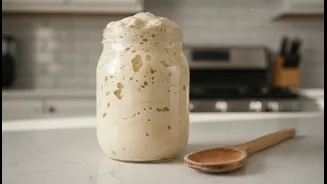
fast-acting yeast, sourdough relies on a 'starter'—a living culture of wild yeast and bacteria. This slow fermentation process is what gives the bread its distinctive tangy flavour, chewy texture, and purported health benefits, such as being easier to digest. Bakeries from Delhi to Goa now proudly offer artisanal loaves, and social media feeds are filled with beautifully scored creations, turning this ancient bread-making technique into a modern status symbol of wellness and craft.
The Baker's Dilemma: What Is Discard?
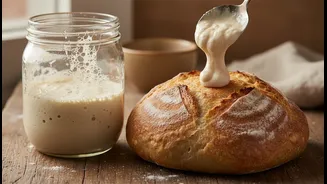
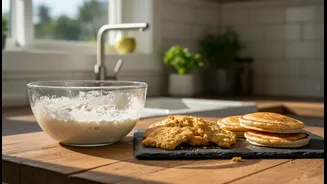
Maintaining a healthy sourdough starter requires regular 'feedings' of flour and water to keep the yeast active. To prevent the starter from growing endlessly and to refresh its acidity, bakers must remove a portion before each feeding. This removed portion is known as 'discard'. For a long time, as the name suggests, this mixture was simply thrown away. For anyone who has lovingly tended to their starter, watching it bubble and grow, tossing a part of it in the bin can feel incredibly wasteful. It's a mix of perfectly good flour and water, alive with the complex flavours of fermentation. This is the central dilemma every sourdough baker faces: how to maintain their starter without creating unnecessary food waste.
The Zero-Waste Connection
Enter the zero-waste movement, a philosophy that encourages redesigning lifestyles to eliminate trash. This movement has found fertile ground in India, resonating with both modern sustainability goals and traditional values of resourcefulness. For generations, Indian kitchens have mastered the art of using every part of an ingredient, from turning vegetable peels into pickles to using leftover rice for the next day's meal. The idea of throwing away perfectly good flour and water runs counter to this ethos. The zero-waste movement provides a powerful framework for today's cooks, promoting the idea that the sourdough 'problem' isn't a problem at all, but an opportunity for creativity.
More Than Just Waste
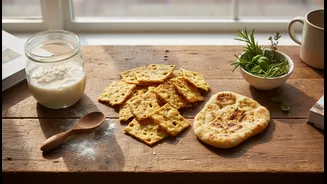
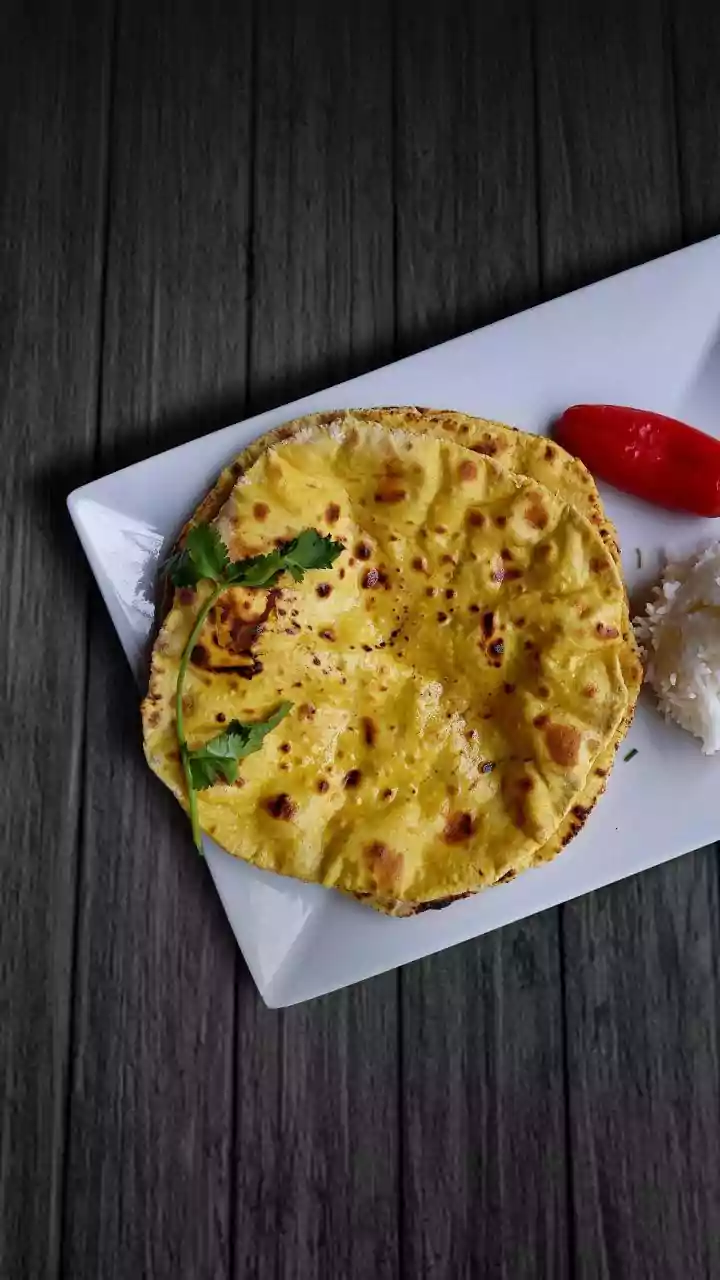
Reframing discard as an ingredient, rather than waste, is the key. While discard may not have enough leavening power to raise a loaf of bread on its own, its tangy, complex flavour is a culinary asset. Urban home cooks are now turning to a growing collection of recipes that put this ingredient front and centre. The possibilities are endless, ranging from international favourites like pancakes, crackers, and pizza bases to creative Indian adaptations. Imagine crispy, savoury dosas made with a sourdough discard batter, or soft, fluffy naan and kulchas that get their distinctive tang from the starter. This isn't just about avoiding waste; it's about making food that is genuinely delicious and unique.
A Symbol of Conscious Cooking
Ultimately, the trend of using sourdough discard is about more than just one ingredient. For the urban Indian millennial, it represents a confluence of values. It combines a passion for artisanal, homemade food with a deep-seated desire for a more sustainable and mindful way of living. It's a small, tangible action in the kitchen that connects the baker to a global community while also honouring a cultural legacy of frugality. In a world of fast consumption, the act of nurturing a starter and creatively using its discard is a quiet rebellion—a choice to be resourceful, conscious, and connected to the food we eat.