



The Allure of the Sahyadri Jewel
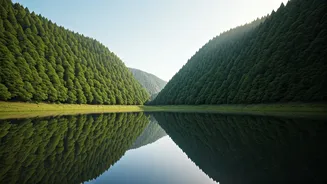
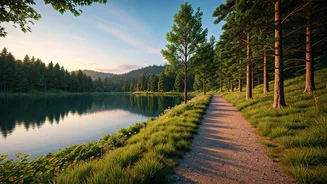
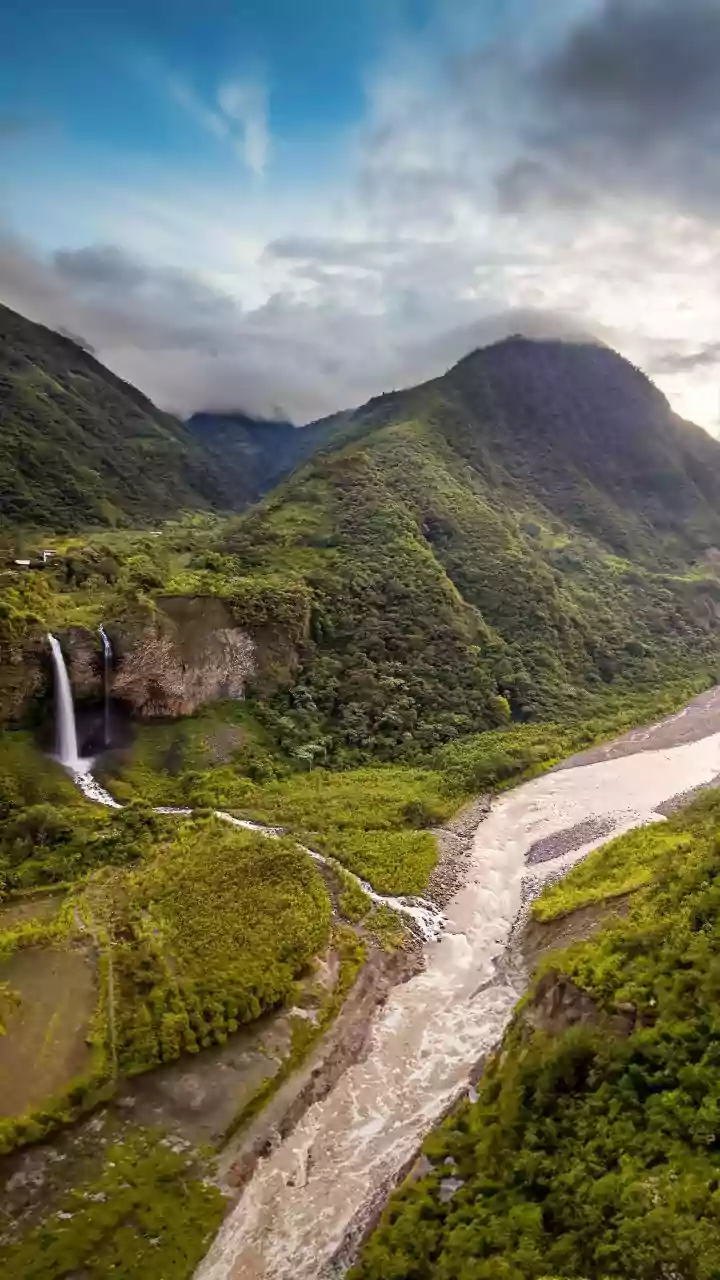
Nestled in the Sahyadri mountain range of Maharashtra, Bhandardara has long been a sanctuary for those seeking respite. Its landscape is a painter's dream: the serene expanse of Arthur Lake, the colonial-era Wilson Dam, and cascading waterfalls like the Randha
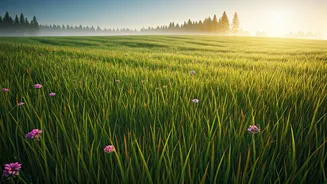
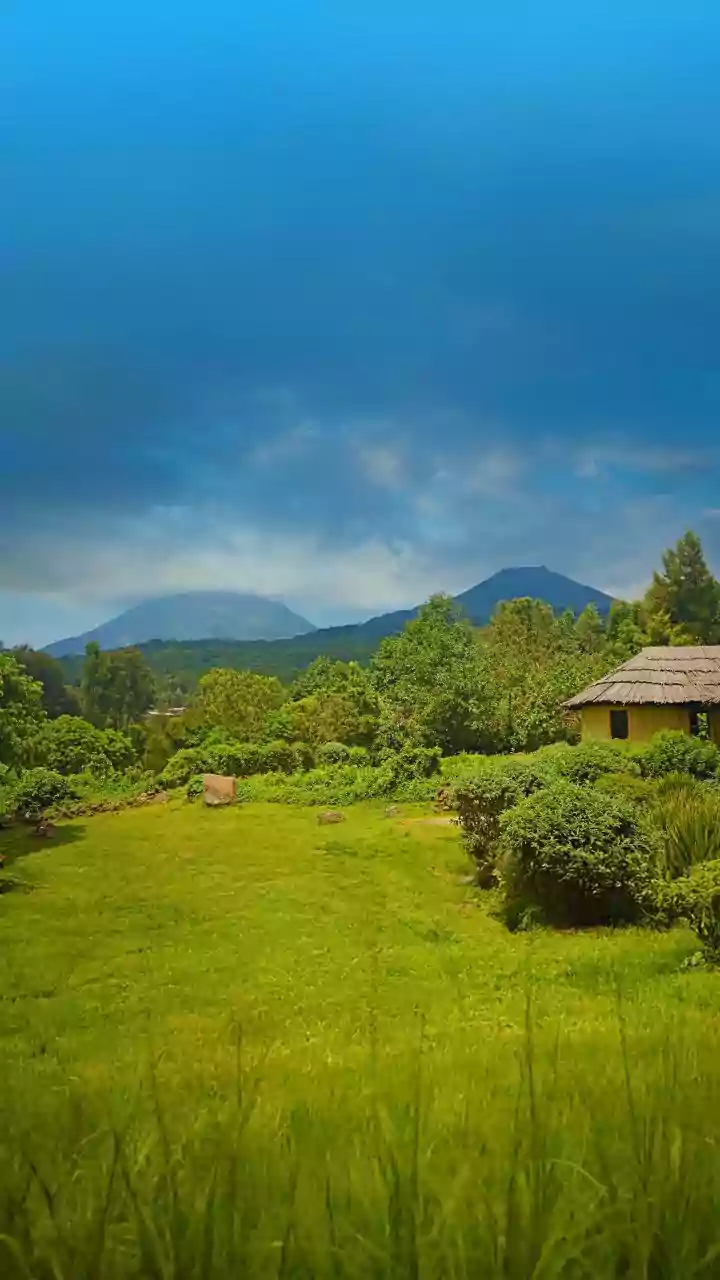
Falls. During and after the monsoon, the region transforms into a carpet of vibrant green, making its meadows exceptionally inviting. Traditionally a spot for day-trippers and resort-stayers, Bhandardara is now witnessing a significant shift. Travellers are no longer content to just see the beauty; they want to live within it, albeit temporarily, and do so with a clear conscience.
Beyond the Basic Campsite
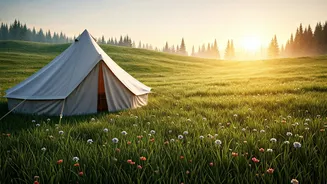
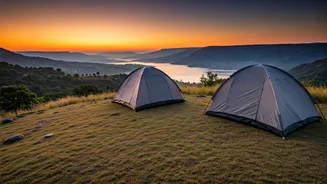
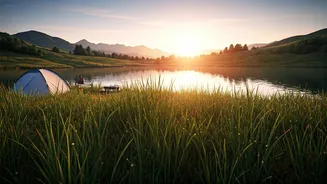
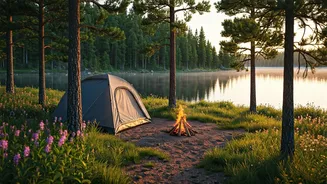
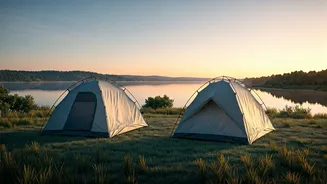
The phrase “Green Meadow Camping” signifies a move away from unregulated, informal camping that can often harm delicate ecosystems. These organised schemes are curated experiences that place sustainability at their core. Instead of a free-for-all, these campsites are typically set up in designated zones, often on private land with stunning views of the lake or surrounding hills. The focus is on providing essential comforts without disrupting the natural environment. This model offers a structured yet authentic way to connect with nature, ensuring that the very beauty drawing people in is preserved for years to come. It’s a blend of raw nature and responsible hospitality.
What Makes It Eco-Friendly?
The 'eco-friendly' tag is more than just a marketing buzzword here. Many reputable operators are implementing tangible practices. A primary focus is on waste management, with strict 'leave no trace' policies, designated bins for segregated waste, and a strong discouragement of single-use plastics. Lighting is often powered by solar panels, minimising the carbon footprint. Food is another key element, with many camps sourcing produce from nearby villages, supporting the local economy and offering guests fresh, authentic meals. Tents and facilities are designed for minimal environmental impact, avoiding permanent concrete structures. The goal is a low-impact, high-experience model that benefits the environment, the local community, and the traveller.
The On-the-Ground Experience
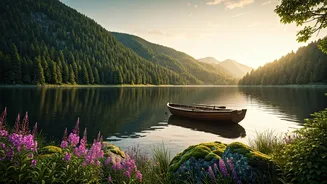
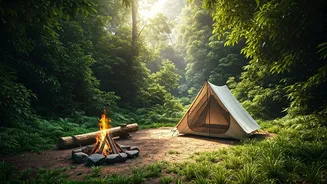
A typical stay at one of these green campsites is a study in serene simplicity. Mornings often begin with mist rolling over Arthur Lake, followed by a simple, locally-sourced breakfast. Days can be spent on guided nature walks, exploring nearby forts, or simply relaxing by the water. Some operators offer activities like kayaking and boating, always with an emphasis on safety and environmental respect. As dusk falls, the experience shifts. With minimal light pollution, Bhandardara is a haven for stargazers. Evenings are often spent around a responsibly managed campfire, sharing stories under a blanket of stars. It's an immersive experience designed to disconnect travellers from their digital lives and reconnect them with the natural world.
How to Choose a Responsible Operator
For the eco-conscious traveller, choosing the right operator is crucial. Before booking, it’s wise to ask a few key questions. Enquire about their waste management policy: Do they segregate waste? What do they do with it? Ask if they employ staff from local villages and source their supplies locally. Check reviews for mentions of cleanliness and respect for the environment. Genuine eco-friendly operators will be transparent and proud of their practices. A campsite that heavily promotes loud music, litter-generating activities, or seems to have no connection with the local community might not align with the principles of sustainable tourism. Your choice as a consumer directly supports the operators who are making a genuine effort.