



More Than Just Roughage
The conversation around fibre is changing. For years, we viewed it simply as 'roughage'—the indigestible part of plants that helps prevent constipation. While that's true, it's only a small part of the story. The latest science focuses on fibre's role
as a prebiotic, which is essentially food for the trillions of beneficial bacteria living in your gut. A healthy and diverse gut microbiome is now linked to a stronger immune system, better mood, reduced inflammation, and improved nutrient absorption. Soluble fibre, found in oats, dals, and apples, forms a gel that helps control blood sugar and lower cholesterol. Insoluble fibre, found in whole grains and vegetables, adds bulk and ensures digestive regularity. This dual function makes fibre a cornerstone of holistic health, far beyond its old reputation.
The Indian Health Connection
This renewed focus on fibre is especially critical in India. Studies show unhealthy diets contribute to over half of the country's total disease burden. With rising rates of type 2 diabetes, heart disease, and obesity, fibre's ability to regulate blood sugar and manage cholesterol is more important than ever. Soluble fibre slows down the absorption of sugar, preventing the sharp spikes that can follow a carbohydrate-heavy meal—a common feature of many Indian diets. Unfortunately, modern urban diets are often dominated by refined grains like maida and white rice, which are stripped of their natural fibre. A recent survey highlighted a significant 'fibre gap', with up to 70% of Indians not consuming the recommended daily amount. This deficiency is a key factor in the growing prevalence of lifestyle diseases.
So, How Much Fibre Do You Need?
According to the latest dietary guidelines from the Indian Council of Medical Research (ICMR), adults should aim for about 25 to 40 grams of fibre per day. To put that into perspective, most urban Indians currently consume less than half of this amount. Hitting the target doesn't have to be complicated. A single day's menu that includes a bowl of dal, a serving of vegetables, a whole fruit, some whole-grain rotis, and a handful of nuts can get you well on your way. The key is consistency and making conscious choices throughout the day. It's also vital to increase your water intake as you add more fibre to your diet to help it move smoothly through your digestive system.
Simple Swaps for a Fibre-Rich Diet
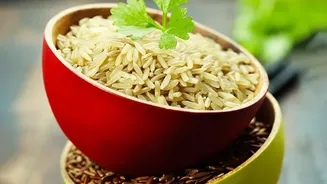
Boosting your fibre intake doesn't require a radical diet overhaul. It's about making small, intelligent swaps in your daily meals. Start by replacing refined grains with their whole counterparts. Opt for whole wheat or multigrain atta for your rotis instead of maida, and swap polished white rice for brown rice, red rice, or millets. Make it a rule to fill half your plate with vegetables, including both a cooked sabzi and a simple raw salad. Snack smarter by trading packaged biscuits for roasted chana, a handful of almonds, or a seasonal fruit with its skin on, like an apple or guava. These small changes compound over time to significantly close the fibre gap.
Rediscovering India's Fibre Superfoods
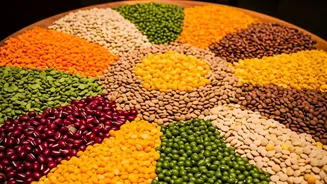
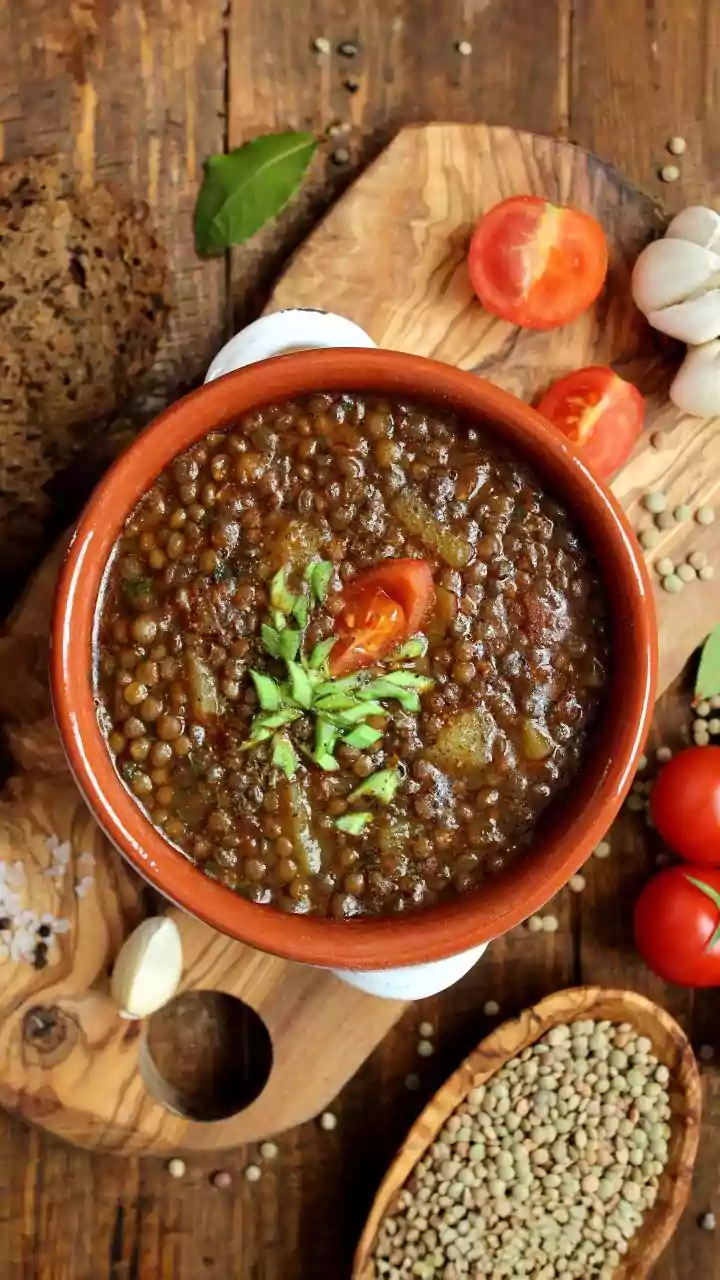
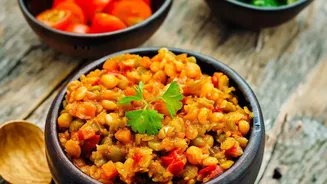
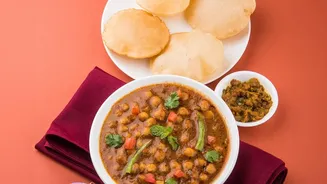
The best sources of fibre are already in our kitchens; we just need to use them more often. Traditional Indian whole grains like jowar, bajra, and ragi are fibre powerhouses. Lentils and legumes are champions of both protein and fibre—make sure to include a variety like rajma, chana, moong, and masoor dal in your weekly rotation. Don't forget vegetables like bhindi (okra), spinach, sweet potatoes, and carrots. Seeds such as flax (alsi) and chia are incredibly dense in soluble fibre and can be easily sprinkled over yogurt, dal, or salads. By embracing these traditional ingredients, you're not just adding fibre—you're connecting with a more wholesome way of eating.