





What Exactly Is Zone 2 Training?
Zone 2 training refers to exercising at a low-to-moderate intensity, specifically at 60% to 70% of your maximum heart rate. It's often called "base training" because it forms the foundation of a strong cardiovascular system. Unlike high-intensity sprints
that leave you gasping for air, Zone 2 is a comfortable, steady effort. The key indicator is the "talk test": you should be able to hold a conversation in full sentences while working out. If you can sing, you're likely in Zone 1; if you can only manage short phrases, you've probably pushed into Zone 3. This controlled intensity is where the magic happens for building long-term endurance.
The Joint-Friendly Power of the Rowing Machine
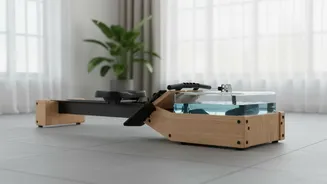
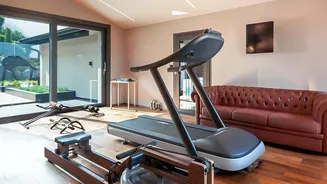
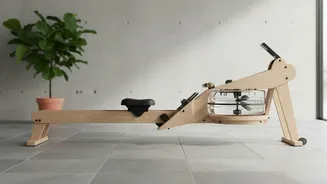
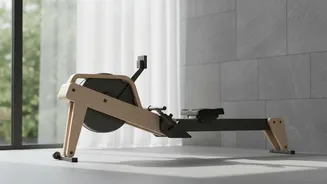
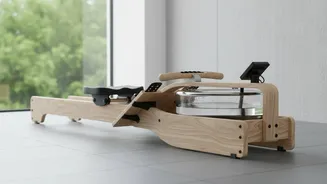
The rowing machine is an ideal partner for Zone 2 training, especially for those with sensitive joints. As a low-impact exercise, it eliminates the pounding stress on knees, hips, and ankles associated with activities like running. The fluid, seated motion protects your joints while still enabling a full-body workout. A single rowing stroke engages approximately 85% of your body's muscles, including your legs, core, back, and arms. This makes it an incredibly efficient way to improve cardiovascular health and build strength simultaneously, without the risk of high-impact injuries.
The Science-Backed Benefits
Training in Zone 2 offers significant physiological advantages. It primarily trains your body to become more efficient at burning fat for fuel, preserving your limited carbohydrate stores for more intense efforts. This type of training also increases the number and efficiency of your mitochondria—the powerhouses of your cells. More efficient mitochondria mean your body can produce more energy aerobically, which directly translates to improved endurance and less fatigue. It also enhances cardiovascular efficiency by strengthening the heart muscle, allowing it to pump more blood with each beat. This leads to a lower resting heart rate and better overall heart health.
How to Find Your Zone 2
To effectively train in Zone 2, you need to know your target heart rate. The simplest method is the age-based formula: subtract your age from 220 to get your estimated maximum heart rate (MHR). Then, calculate 60% and 70% of that number to find your Zone 2 range. For example, a 40-year-old would have an estimated MHR of 180, making their Zone 2 range 108–126 beats per minute (bpm). For a more personalized number, you can use the Karvonen formula, which factors in your resting heart rate. However, always remember the talk test as a reliable, real-time guide. Your effort should feel sustainable for a long period.
Your First Zone 2 Rowing Workout
Getting started is simple. Aim for two to three Zone 2 sessions per week, starting with shorter durations and gradually building up. A great beginner workout would be: 1. Warm-up (5 minutes): Row at a very light, easy pace to get your muscles warm and blood flowing. 2. Main Set (20-30 minutes): Settle into a steady rhythm, keeping your heart rate within your calculated Zone 2 range. Focus on maintaining a consistent stroke rate, perhaps between 18-22 strokes per minute. Don't worry about power or speed; the goal is sustained effort. 3. Cool-down (5 minutes): Gradually decrease your intensity and finish with some light stretching. As your fitness improves, you can extend the duration of your main set towards 45-60 minutes or more.
Perfect Your Form to Protect Your Body
Proper form is crucial to maximize benefits and prevent injury, particularly to the lower back. Remember the sequence: legs, body, arms on the drive, and the reverse on the recovery (arms, body, legs). The power should come primarily from your legs—they are the strongest muscles in the sequence. Sit up tall, engage your core, and avoid hunching your back. The movement should be smooth and controlled, not a frantic pull. By mastering the form, you ensure the workout remains low-impact and highly effective.