







The New Baseline Cost
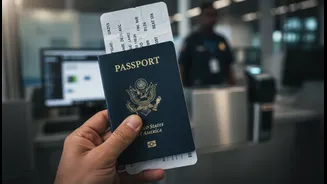
The Ministry of External Affairs has revised the fee structure for Indian passports, marking the first major hike in several years. As of July 1, 2026, the fee for a fresh or reissued 36-page passport is ₹2,500, up from ₹1,500. For frequent flyers who
need more visa space, the 60-page jumbo booklet now costs ₹3,500, a significant increase from the previous ₹2,000. This price adjustment is intended to align with the administrative costs of processing and printing the secure documents. For a family of four, this means an upfront cost of ₹10,000 before a single flight is even booked, making it a substantial initial outlay for international travel.
The High Price of Urgency
Last-minute travel plans often come with a hefty premium, and passports are no exception. The Tatkaal scheme, designed for expedited processing, has also seen a considerable price increase. A 36-page passport under the Tatkaal service now costs ₹5,000, while the 60-page version will set you back ₹6,000. This is a flat fee, not an additional charge on top of the normal rate. While the service can be a lifesaver for unexpected trips, relying on it can double your passport expense. Proactive planning is the best way to avoid this surcharge. Many countries require your passport to be valid for at least six months to issue a visa, so checking your expiry date well in advance can save you both stress and money.
The Cost of Lost or Damaged Passports
Mistakes and mishaps can be expensive. The steepest fee hikes apply to replacing a lost, stolen, or damaged passport. The cost to replace a 36-page booklet is now ₹5,000 under the normal process. If you need that replacement urgently via the Tatkaal scheme, the fee jumps to ₹7,500. For a 60-page replacement, the normal fee is ₹6,000, and the Tatkaal fee is a staggering ₹8,500. These high costs underscore the importance of keeping your passport safe. The fee to replace a damaged passport is now equivalent to the Tatkaal fee for a new one, adding a significant financial penalty to the inconvenience of losing your document.
Don't Forget the Ancillary Expenses
The official application fee is only part of the story. Budgeting for a passport requires accounting for several smaller, often overlooked costs. These can include charges for getting passport-sized photographs taken, printing documents, and travelling to and from the Passport Seva Kendra (PSK) or Post Office Passport Seva Kendra (POPSK) for your appointment. While some people may opt to use a travel agent for assistance, their service fees add another layer of expense. Furthermore, a Police Clearance Certificate (PCC), which may be required for employment or long-term visas, now costs ₹750. While individually small, these costs can add up.
A Long-Term Budget Item
A passport for an adult has a validity of ten years. Rather than viewing it as a one-off purchase, it is more financially prudent to see it as a recurring cost of being a global traveller. If you divide the new ₹2,500 fee over its 10-year lifespan, it works out to a modest annual saving. Thinking ahead and setting aside a small amount each year for your eventual renewal will ensure the cost doesn't come as a surprise. This is especially true for families, where multiple renewals can coincide. By budgeting for renewal well before the expiry date, you treat it as a predictable travel utility rather than a sudden, unwelcome expense.