



The Secret in the Leaf
Not all black teas are created equal, especially when served cold. While its more famous cousins, Assam and Darjeeling, have their own distinct strengths, Nilgiri tea possesses a unique set of characteristics that make it exceptionally suited for cold preparations.
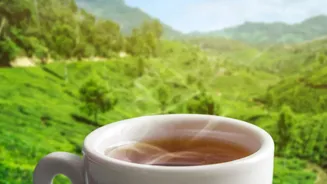
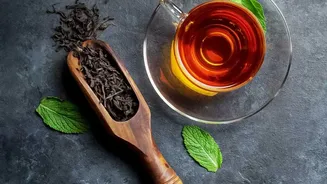
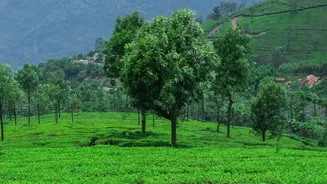
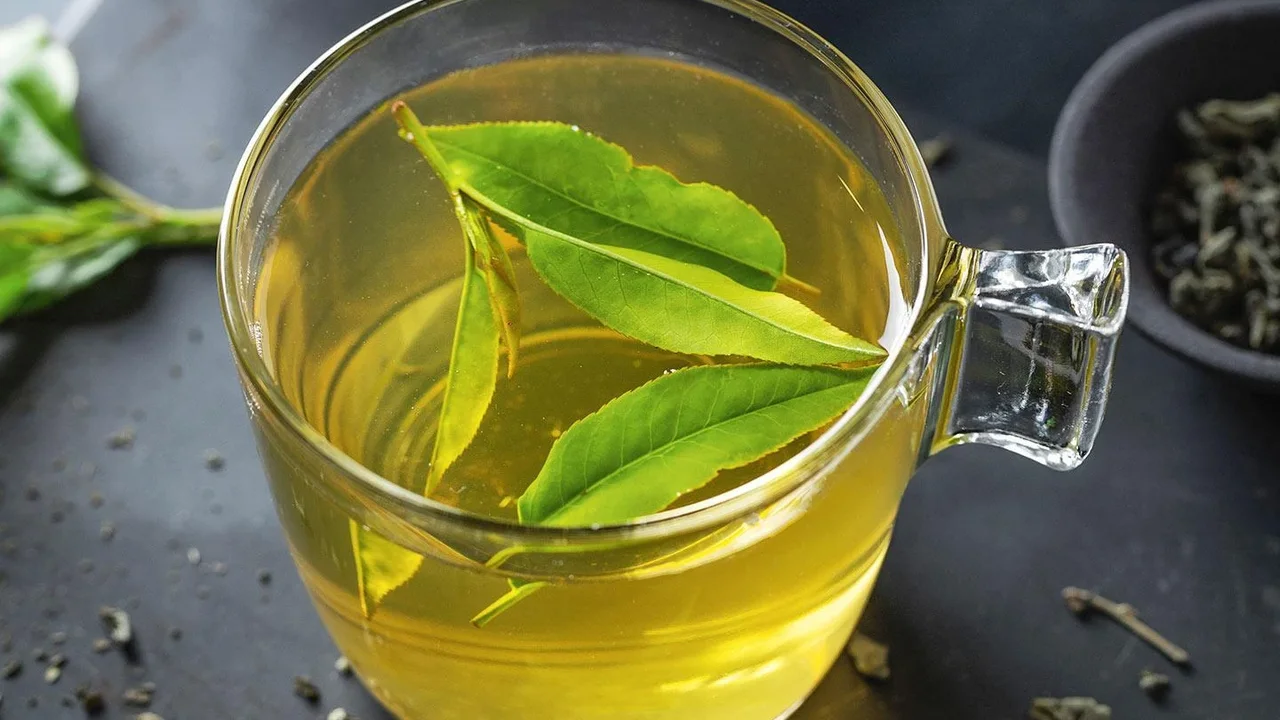
Grown at high altitudes, Nilgiri leaves are naturally lower in tannins, the compounds that cause bitterness and astringency. This means that when steeped, especially in cold water, the tea remains smooth and gentle, without the harsh edge some black teas develop. Furthermore, Nilgiri tea is prized for its bright, clean, and aromatic flavour profile, full of floral and fruity notes. Critically, unlike many other black teas that can turn murky when chilled, orthodox-style Nilgiri tea stays brilliantly clear, resulting in a visually appealing golden drink.
The Art of Cold Brewing
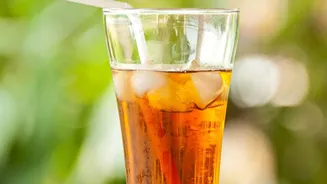
The transformation from hot cup to cold bottle lies in a method that prioritizes patience over heat: cold brewing. Instead of shocking the leaves with boiling water, artisanal makers steep high-quality, whole-leaf Nilgiri tea in cold, filtered water for an extended period, typically between eight to twelve hours in a refrigerator. This gentle, slow infusion fundamentally changes what is extracted from the leaf. The cold water coaxes out the delicate, sweet, and aromatic compounds while leaving behind many of the bitter tannins. The result is a drink that is noticeably smoother, naturally sweeter, and less acidic than tea that has been brewed hot and then cooled. This process preserves the tea's inherent character, showcasing its complex notes of fruit and flowers that are often lost in a hot brew.
A Focus on Flavour, Not Sugar
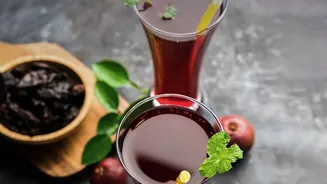
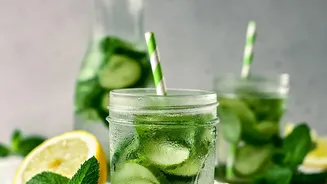
A key part of this new wave is a conscious move away from the sugar-laden iced teas that have long dominated the market. For these artisans, the goal is to celebrate the tea itself, not mask it with sweetness. The natural smoothness and lack of bitterness in cold-brewed Nilgiri tea means it requires little to no added sugar to be palatable. Many producers are crafting drinks that are completely unsweetened or use just a hint of natural sweeteners. Some brands are also getting creative by infusing the teas with natural botanicals, fruits, and spices like citrus, mint, hibiscus, or ginger, adding complexity and flavour without piling on calories. This approach caters directly to a growing demographic of health-conscious Indian consumers who are actively seeking cleaner, more natural beverage options.
The New Artisans of Indian Tea
This trend is being driven by a diverse group of entrepreneurs, from established tea estates looking to innovate to small-scale startups passionate about craft beverages. Brands like Brewhouse and Chill Inc. are focusing on real-brewed teas using single-origin leaves, including those from the Nilgiris, and promoting their low-sugar credentials as a key selling point. Others, like Karma Kettle, are experimenting with a wide array of flavourful infusions, from passionfruit black tea to butterfly pea flower blends. These makers are blending a deep respect for the agricultural heritage of Indian tea with a modern understanding of consumer tastes. They are creating a premium category that positions tea not just as a commodity, but as a sophisticated, versatile beverage on par with craft coffee or fine wine.
A Drink for the Modern Palate
The rise of artisanal Nilgiri cold drinks is more than just a beverage trend; it reflects a broader cultural shift in India. As consumers become more discerning, there is a growing appetite for products that are authentic, have a clear provenance, and align with a wellness-oriented lifestyle. These cold teas fit perfectly into that narrative. They offer a refreshing, flavourful, and healthier alternative to carbonated soft drinks. They champion a local agricultural product, giving a modern identity to the beautiful leaves from the Blue Mountains. This movement is successfully elevating a humble leaf into a premium, contemporary drink that resonates with the aspirations and tastes of a new generation.