



More Than Just a Dairy-Free Alternative
For years, non-dairy ice creams were seen as a compromise—a less-than-perfect substitute for those who couldn't have dairy. But the new wave of coconut milk ice cream has completely flipped that narrative. The secret lies in the inherent quality of coconut milk itself.
Its high fat content creates a surprisingly rich and creamy texture that rivals, and sometimes even surpasses, traditional dairy-based ice creams. Unlike soy or almond milk, which can be watery, coconut cream provides a luscious mouthfeel that doesn't require a lot of artificial stabilisers or thickeners. The flavour is another major win. It offers a subtle, nutty sweetness that serves as a perfect canvas for a wide array of flavour infusions, from classic chocolate and vanilla to more adventurous, locally inspired combinations.
A Perfect Match for the Wellness Wave
The timing for this trend couldn't be better. There is a growing consciousness around wellness and dietary choices across India. More people are identifying as lactose intolerant, adopting vegan lifestyles, or simply looking to reduce their dairy intake for health reasons. Coconut milk ice cream fits seamlessly into this movement. It’s naturally plant-based, cholesterol-free, and often perceived as a 'cleaner' indulgence. Artisanal brands are leaning into this by using natural sweeteners like jaggery or coconut sugar and avoiding artificial preservatives and colours. This makes the dessert feel less like a guilty pleasure and more like a mindful treat, appealing to a generation of consumers who read labels and care about what they put into their bodies.
What Exactly Makes It 'Artisanal'?
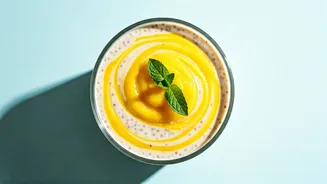
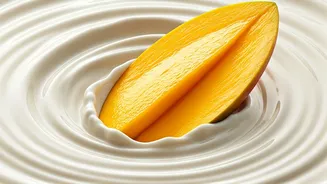
The word 'artisanal' gets thrown around a lot, but in this context, it signifies a genuine departure from mass-produced frozen desserts. Unlike big commercial brands that prioritise long shelf life and uniform taste, artisanal makers focus on craftsmanship and quality. This typically means producing in small batches, which allows for greater control over texture and flavour. They use high-quality, often locally sourced ingredients—think real tender coconut chunks from the South, Alphonso mangoes from the West, or fragrant spices for a Masala Chai flavour. You won't find a long list of unpronounceable chemicals on their ingredient lists. This small-scale approach also fosters innovation, leading to unique and seasonal flavours that you'd never find in a supermarket freezer, such as 'Kaju Katli', 'Rose & Pistachio', or 'Filter Coffee'.
Designed for the Digital Age
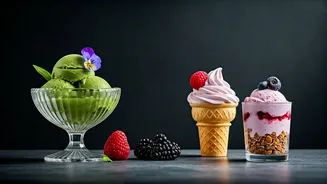
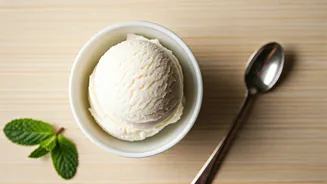
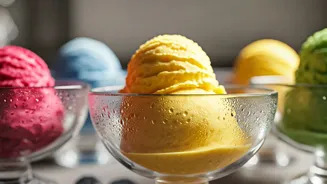
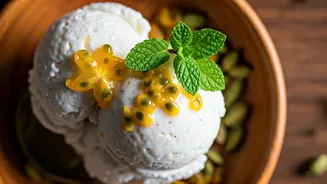
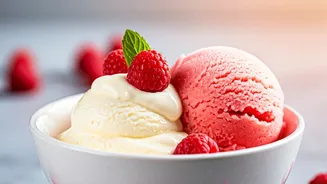
A huge part of the trend's momentum comes from its visual appeal, which is perfectly suited for platforms like Instagram. The pristine white base of coconut milk ice cream makes for a stunning photo. Topped with colourful fruit, dark chocolate shavings, or edible flowers, it becomes an instant star on social media feeds. Small, local brands have masterfully used this to their advantage. Lacking the massive marketing budgets of established giants, they rely on social media to build their community and showcase their product. A beautiful, shareable photo of a scoop of ice cream acts as a powerful, word-of-mouth advertisement. When someone posts a story of their delicious-looking dessert, their followers take note, and the trend spreads organically, one 'like' and 'share' at a time.