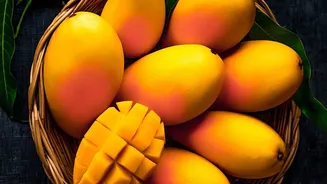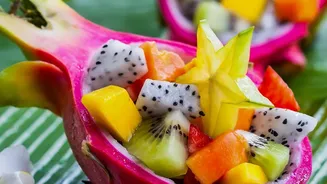


In the world of tropical fruits, mango and papaya are titans, beloved for their sweet, vibrant flesh. But as we become more mindful of sugar, a common question arises: which one is the healthier choice? Let's break down the facts.
The Sugar and Calorie Question
When it comes to sugar
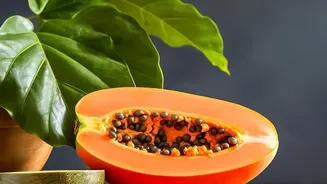
and calories, there's a clear difference. Papaya is the lighter option. A 100-gram serving of papaya contains approximately 43 calories and about 8 grams of sugar. In contrast, the same amount of mango has around 60 calories and nearly 14 grams of sugar. For those managing their sugar intake or counting calories, papaya has a distinct advantage. Its lower sugar content makes it a gentler choice, providing sweetness without the heavy caloric load. Mango, being denser and sweeter, packs more energy, which comes primarily from its natural sugars.
The Glycemic Index Impact
Here’s where things get interesting. The glycemic index (GI) measures how quickly a food raises blood sugar levels. Despite having more sugar, mango often has a lower GI than papaya. Studies show mango’s GI is around 51, while papaya’s is slightly higher, typically between 56 and 60. This means a measured portion of mango may lead to a slower, more gradual rise in blood sugar compared to papaya. This is partly because the type of sugars and the presence of soluble fiber in mango can slow down absorption. For managing blood sugar, this gives mango a surprising edge, but portion control remains key for both fruits.
Vitamin C and Vitamin A
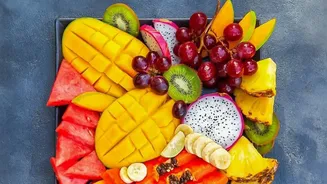
Both fruits are nutritional powerhouses, but they excel in different areas. Papaya is a vitamin C champion. A 100-gram serving of papaya can provide over 60 mg of vitamin C, which is more than 67% of the recommended daily intake. Mango is also a good source, offering about 36 mg of vitamin C for the same portion. However, mango takes the lead with vitamin A. Thanks to its rich beta-carotene content, which gives it that deep orange colour, mango provides significantly more vitamin A than papaya. Vitamin A is crucial for eye health and immune function, making mango a top choice for boosting this nutrient.
Fiber and Digestive Health
When it comes to dietary fiber, the two fruits are nearly identical. Both mango and papaya offer about 1.6 to 1.7 grams of fiber per 100 grams. This fiber is essential for good digestion, helping to promote regularity and a feeling of fullness. However, papaya has a unique secret weapon: an enzyme called papain. Papain is a proteolytic enzyme, meaning it helps break down proteins. This can aid digestion, particularly after a protein-heavy meal. While mango also contains digestive enzymes like amylase that help break down carbs, papain gives papaya a special reputation as a digestive aid.
Other Key Nutrients
Beyond the headline vitamins, both fruits offer a wealth of other nutrients. Mango tends to be richer in Vitamin E and folate (Vitamin B9), which is especially important during pregnancy. Papaya, on the other hand, often contains slightly more potassium, a mineral that helps regulate blood pressure. Ultimately, both fruits contribute valuable minerals and antioxidants to your diet. Mango contains mangiferin, a potent antioxidant, while papaya's benefits are boosted by its high water content and unique enzymes. The choice between them can depend on which of these specific micronutrients you are looking to increase.