





Why Weather Disrupts Your Grocery Bill
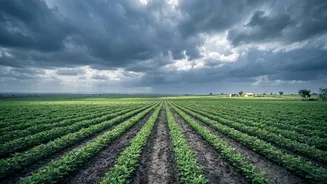
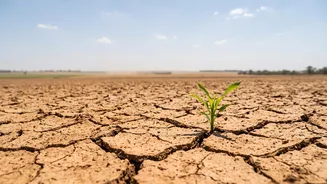
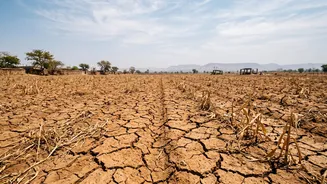
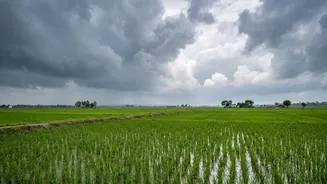
The connection between a poor monsoon and expensive vegetables is direct and swift. A weaker-than-normal monsoon, like the one seen in 2026, directly impacts crop yields across the country. The rainfall deficit, which stood at 13-14% for the season by
late August, affects soil moisture, stressing essential crops like rice, pulses, and soybeans. Extreme weather events such as heavy rains or heatwaves can damage standing crops, disrupt transport, and lead to post-harvest losses, causing sudden price spikes. Short-duration, perishable vegetables like tomatoes, onions, and potatoes are especially vulnerable to these shocks, making them major drivers of food inflation.
Know the Vulnerable Staples
Certain items in your pantry are more susceptible to weather-related price hikes. The trio of tomatoes, onions, and potatoes (TOP) are famously volatile. Their prices can shoot up due to unseasonal rains or heatwaves in key growing states like Maharashtra, Karnataka, and West Bengal. Beyond the TOP vegetables, keep an eye on pulses, rice, and sugar. Reports from late August 2026 show that the sowing of kharif crops, including rice and coarse cereals, was lower than the previous year due to the deficient monsoon. The government has even allowed duty-free sugar imports to manage domestic shortages, signaling pressure on supplies.
Plan Your Meals and Your Shopping
One of the most effective strategies to combat rising prices is planning. Before heading to the store, spend 20-30 minutes planning your meals for the week. This simple habit helps you create a precise shopping list, preventing impulse buys and reducing food waste, which is a major source of hidden household costs. When you shop with a list, you buy only what you need. This approach is especially important when prices are high, as it forces you to think about every item in your basket and avoid spending on non-essentials.
Shop Seasonally and Locally
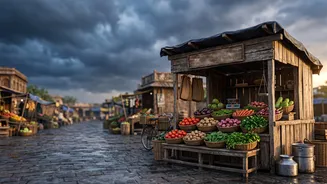
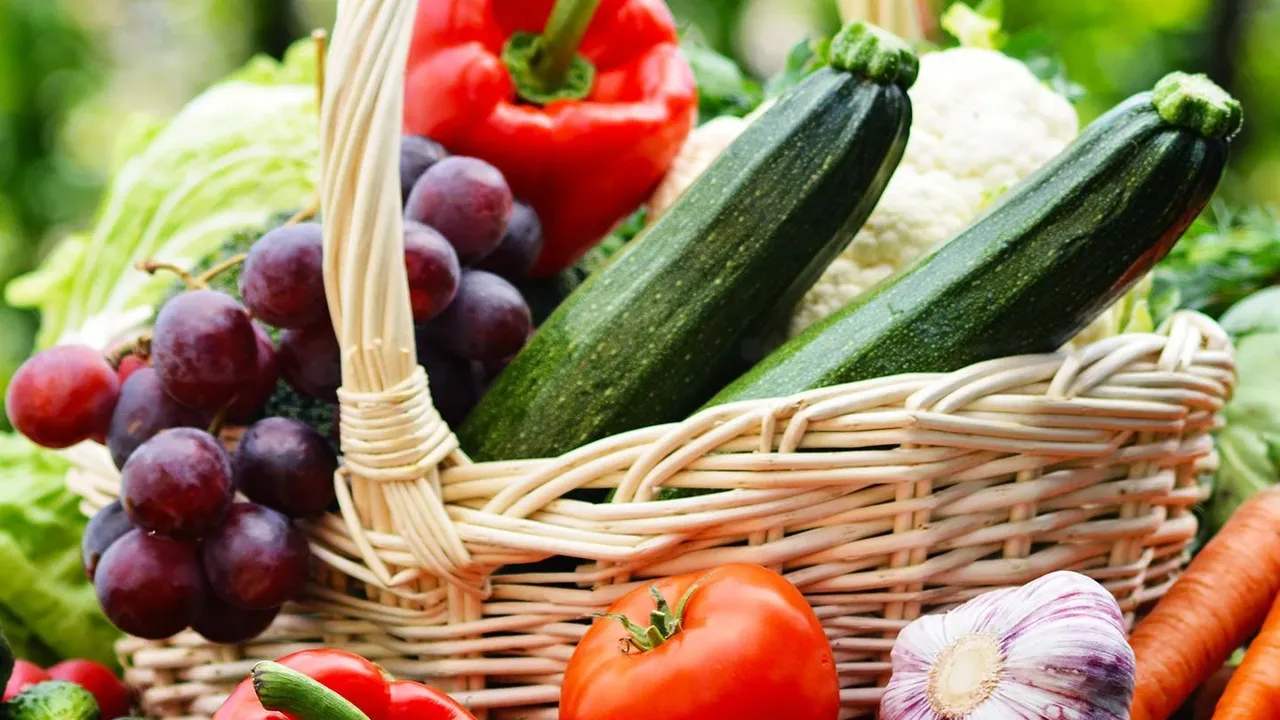
Embracing seasonal produce is a powerful way to save money. Fruits and vegetables that are in season are more abundant, fresher, and therefore cheaper. Shopping at your local sabzi mandi or farmers' market can also offer better prices than large supermarkets, while supporting local growers. Pay attention to what is plentiful and build your meals around those ingredients. For example, if leafy greens are abundant and cheap one week, plan dishes that use them. This flexible approach allows you to adapt to market fluctuations rather than being a victim of them.
Embrace Smart Swaps and Storage
When the price of a fresh staple like tomatoes skyrockets, don't be afraid to use alternatives. Tomato puree, canned tomatoes, or even tamarind can provide the necessary tang in many dishes at a fraction of the cost. Similarly, frozen vegetables like peas and corn can be more affordable than their fresh counterparts, especially when out of season. Proper storage is another key to saving money. Learning how to correctly store onions, potatoes, and other vegetables can extend their shelf life significantly, preventing spoilage and reducing the frequency of your grocery trips. This ensures you get the most value from every purchase.
Consider Bulk Buying for Non-Perishables
While perishable items should be bought fresh and in moderation, non-perishables are a different story. When you see stable or discounted prices on items like dals, rice, flour, and cooking oils, consider buying them in larger quantities if you have the storage space. This strategy insulates your budget from future price shocks. However, this only works if you consistently use these items and can store them properly to prevent spoilage or pest infestation. It’s about being strategic—stocking up when prices are reasonable to avoid buying when they are high.