







Beyond the Thermometer
For decades, travel planning has been dominated by a single question: what will the weather be like? We hunt for the driest season, the sunniest skies, and the most pleasant temperatures. While important, this narrow focus can be misleading. The truth
is, the “best” time to travel is entirely personal and depends on what you want to do. A scorching hot month might be perfect for a beach holiday but disastrous for a city-based walking tour. Similarly, a cool, crisp month ideal for exploring ancient ruins would be useless for someone dreaming of a sun tan. The real art of travel planning lies in matching the season to the activity, not just the temperature. This means considering factors like crowd sizes, pricing, and unique seasonal phenomena. The shoulder seasons—the months between the peak and off-peak periods—often provide a sweet spot of good weather, lower prices, and fewer tourists.
The City Explorer's Calendar
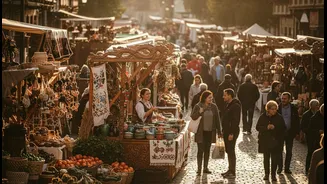
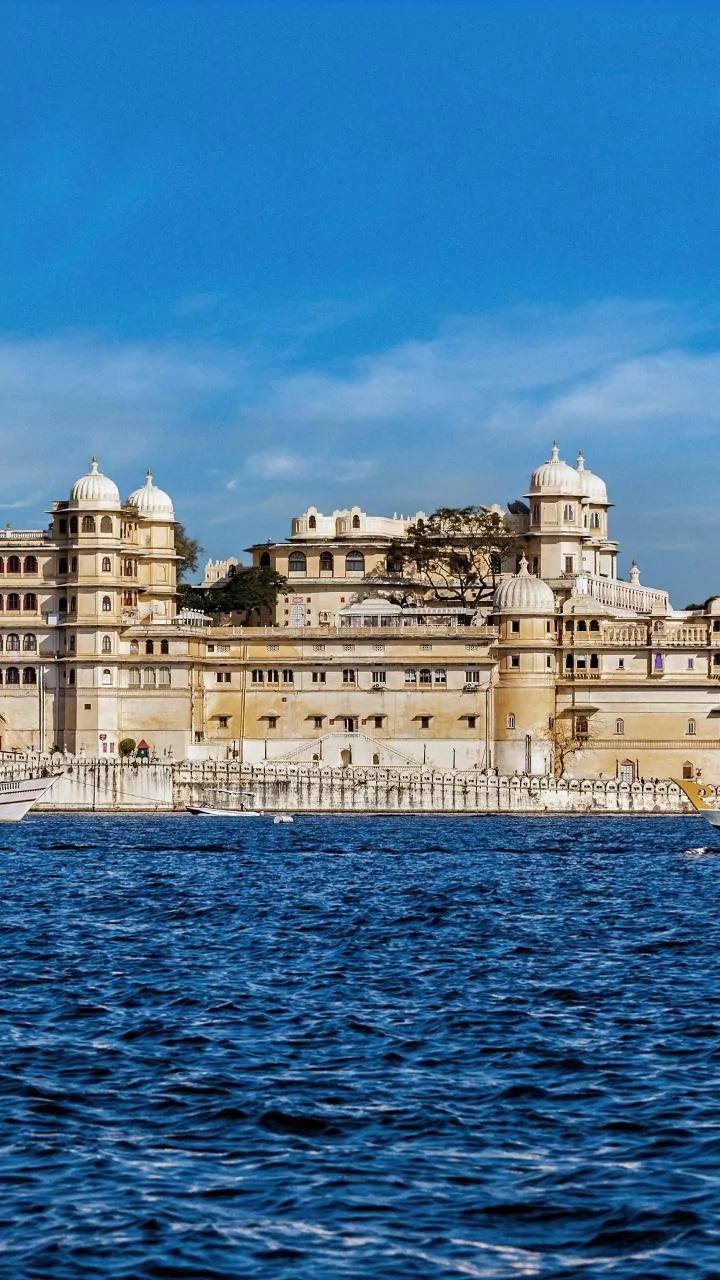
For those who love to immerse themselves in culture, food, and history, a city break is the ultimate getaway. However, navigating bustling streets and standing in long queues under a blazing sun can drain the joy out of any trip. The ideal time for exploring cities like Delhi, Jaipur, or those in Europe is often during the cooler, shoulder months of autumn and spring (September-November and February-April). During these periods, the weather is generally pleasant enough for long walks, sightseeing is less crowded, and you can often find better deals on flights and accommodation. You get to experience the city more like a local, enjoying a coffee at a street-side cafe or exploring a market without being jostled by huge crowds. Planning for a city break in the peak of summer might mean higher temperatures and bigger crowds, which can detract from the experience.
The Mountain Adventurer's Peak Season
Whether you dream of trekking in the Himalayas, skiing in the Alps, or just enjoying the fresh mountain air, timing is everything. For mountain adventures, the “best” weather doesn't always align with the hottest months. In the Indian Himalayas, the peak trekking season is often in autumn (October-November), after the monsoon has cleared the skies but before winter's heavy snow. Spring (April-May) is another great window for high-altitude adventures. Attempting a Himalayan trek during the monsoon (June to September) can be dangerous, with muddy trails and obscured views, although some regions like Ladakh remain accessible. For ski enthusiasts, of course, winter is the only option, proving that the perfect travel month is entirely dependent on the activity you have planned. It highlights the need to look beyond a simple forecast and understand the specific seasonal demands of your chosen adventure.
The Beach Lover's Dilemma
A beach holiday seems simple: find a sunny spot and relax. But even here, timing is crucial. The hottest month is not always the best. In tropical destinations like Goa or Thailand, the peak summer months can bring intense heat and humidity, or coincide with the monsoon season, leading to constant rain. The ideal time for a beach vacation is typically during the dry season, which offers warm, sunny days without the oppressive humidity or downpours of the wet season. For many parts of India, this falls between November and March. Travelling during the shoulder season, right before or after the main tourist rush, can also be a great option. You might find the beaches in Goa, for instance, are quieter and more pleasant in October or April than during the Christmas and New Year peak. This allows for a more relaxing experience and often at a lower cost.
The Culture Vulture's Timetable
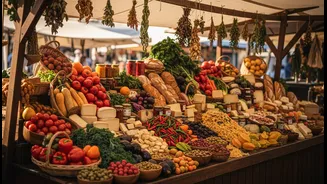
If your travel is driven by a desire to experience unique cultural events, your calendar is often set for you. Whether it’s witnessing the cherry blossoms in Japan, celebrating Holi in India, or visiting the Christmas markets in Germany, these events are tied to specific dates. In these cases, the weather becomes a secondary consideration. The main priority is securing flights and accommodation well in advance, as these events attract large crowds. For example, visiting India during Diwali in October or November provides a spectacular cultural experience with the festival of lights. The focus shifts from finding the “best” weather to being present for a once-in-a-lifetime experience. This approach to travel planning is about aligning your trip with a specific cultural moment, embracing the atmosphere, crowds, and whatever weather comes with it.