





A Hunger for Authenticity
For years, the Indian diner was served a standardised menu of North Indian, 'Indian-Chinese', and continental fare. While comforting, this often ignored the country's vast culinary diversity. Today, there's a growing appetite for the real deal. Consumers
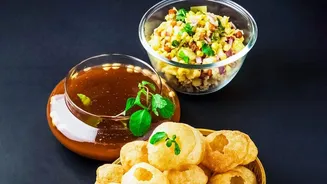
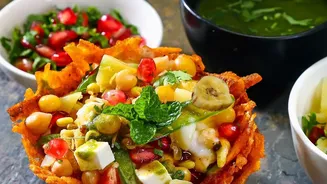
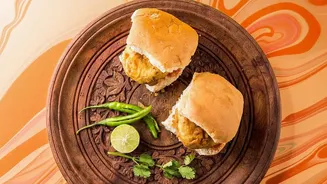
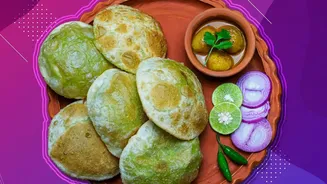
are actively seeking out hyper-regional dishes, forgotten family recipes, and food that tells a story. Small businesses, often run by passionate chefs or families, are perfectly positioned to deliver this. They can offer the specific flavours of a particular community—be it the coastal tang of Konkan cuisine or the smoky heat of a Northeastern kitchen—in a way that large, multi-city chains simply cannot replicate. This move towards authenticity is about more than just taste; it's a way for consumers to connect with their heritage and explore the rich tapestry of Indian food culture.
The Digital Discovery Engine
Ten years ago, finding a small, local eatery meant relying on word-of-mouth. Today, it’s as simple as opening Instagram. Social media has become the great equaliser in the food world. A home chef in a Tier-2 city can now build a loyal following and run a business entirely through WhatsApp and Instagram DMs, without ever being listed on a major delivery app. Visually driven platforms allow these small entrepreneurs to showcase their food, their story, and their unique personality, creating a direct and personal connection with customers. Food delivery apps like Zomato and Swiggy have also played a massive role, giving visibility to countless cloud kitchens and delivery-only brands that operate without a physical storefront, drastically lowering the barrier to entry for new food entrepreneurs.
The Post-Pandemic Effect
The COVID-19 pandemic permanently altered our dining habits. Lockdowns forced a massive shift towards online ordering and food delivery, a habit that has stuck. During this time, many people turned their culinary hobbies into professions, giving rise to a new wave of home chefs and cloud kitchens. Consumers, confined to their homes, got used to the convenience of having high-quality, unique meals delivered to their doorstep. This period also heightened awareness around health and hygiene. Many diners now feel a greater sense of trust ordering from a small, local business or home chef where they can often communicate directly with the person preparing their food. This personal touch builds confidence that is harder to find with a faceless national chain.
Dining as an Experience
Going out to eat is no longer just about filling your stomach; it's about creating a memory. Modern Indian diners are increasingly seeking unique and memorable dining experiences. Small businesses often have an edge here. They can offer intimate settings, chef's table interactions, quirky decor perfect for social media, and a compelling backstory that makes the meal feel special. Consumers are willing to spend on experiences that offer more than just good food; they want a narrative and a sense of connection. This is part of a larger trend where spending is shifting towards things that provide emotional value and social currency, and a meal at a unique, independent restaurant fits that desire perfectly.
Smarter Economics and Conscious Choices
Value for money remains a key consideration for the Indian consumer, but the definition of 'value' is changing. It's not just about the lowest price, but about what you get for that price. A small, local brand might use higher-quality, locally sourced ingredients that justify its price point. Furthermore, a rising 'localism' mindset, particularly among younger generations, means consumers are actively choosing to support businesses in their own communities. There is also a growing health consciousness, with diners paying more attention to ingredients. Social media influencers often highlight the differences in ingredients between products sold in India and elsewhere, driving consumers to seek out brands that are more transparent and perceived as healthier. Small businesses, with their shorter supply chains and direct customer engagement, often benefit from this push for transparency and quality.