


The Deception of a Clear Sky
A common mistake travellers make is checking the weather for their travel dates and seeing a 'no rain' icon. While seasonal forecasts for the monsoon have improved, they can't predict short, intense cloudbursts that are common in the Himalayas. A few
hours of intense rain overnight can destabilise a hillside, even if the next day is bright and sunny. The real danger isn't always the rain you see falling; it's the delayed impact on the landscape. Hillsides get saturated over weeks of rainfall, making them prone to collapse without warning. This means a landslide can occur on a perfectly clear day, triggered by rain that fell days earlier. Therefore, a forecast for a single day offers a false sense of security.
Landslides: A Delayed Reaction
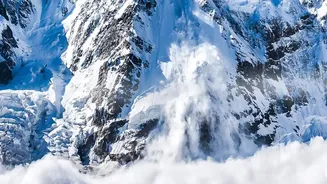
The primary risk during a hill holiday in the monsoon is not getting wet, but landslides. The fragile geology of the Himalayas and Western Ghats means that prolonged rain loosens soil and rock. High-risk areas often include the routes to popular destinations like Manali, Shimla, Mussoorie, Munnar, and Wayanad. These incidents frequently sever road connectivity, sometimes for days, stranding tourists. Even if your destination itself is safe, the single highway leading to it might be blocked. For instance, the Mandi-Pandoh stretch in Himachal Pradesh and roads in Uttarakhand's Chamoli and Rudraprayag districts are notoriously vulnerable. The risk is so pronounced that even a below-normal monsoon season doesn't eliminate the danger, as isolated cloudbursts are enough to trigger disasters.
Check the Arteries: Road and Route Status
Before you leave, and even during your journey, it is critical to check the real-time status of the roads you plan to take. The shortest route is not always the safest during the monsoon. Official sources are your best bet. Look for updates from the state police's social media handles (like the Himachal Pradesh Police) and local district administration advisories. These channels provide the most current information on closures, landslides, or traffic diversions. Don't rely solely on Google Maps, which may not have the latest information on a sudden blockage and might suggest risky shortcuts. It is also wise to avoid night driving in the hills, as visibility is poor and the risk of encountering fallen rocks or washed-out road sections is significantly higher.
Beyond the Road: Flash Floods and Local Risks
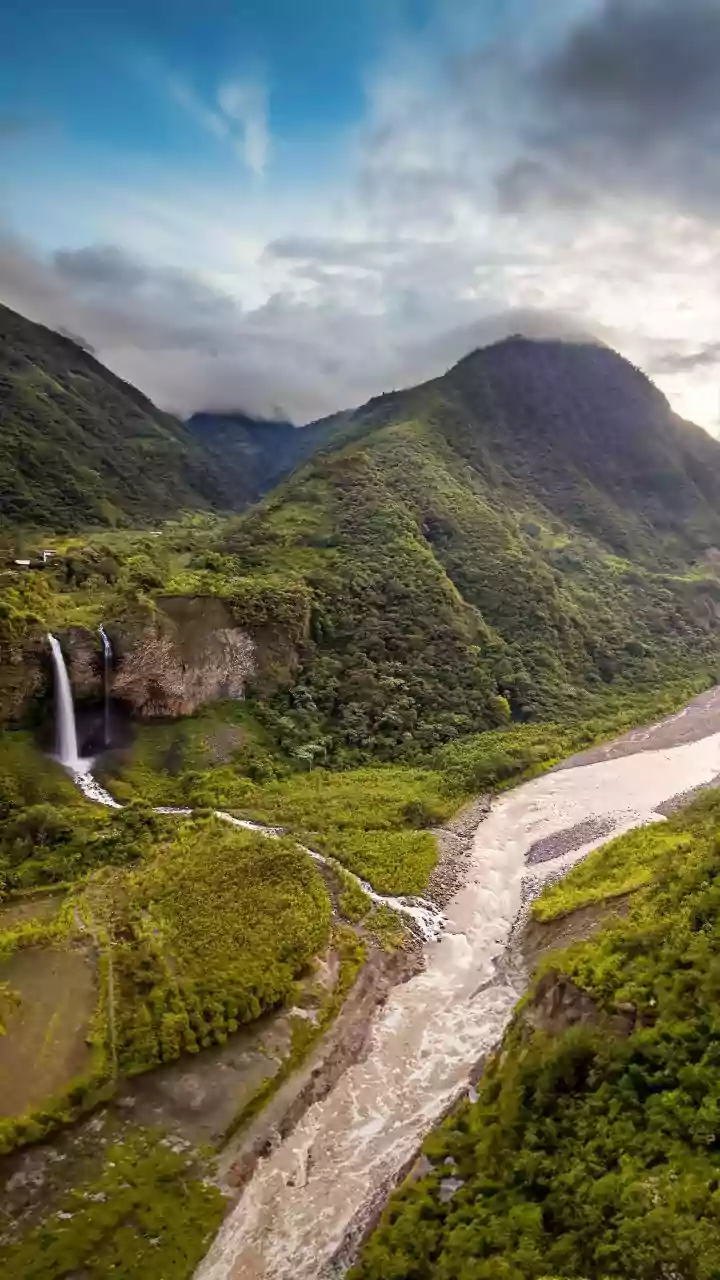
Another often-underestimated danger is flash floods. Small streams and rivers can swell into raging torrents in minutes following a cloudburst higher up in the mountains. This can wash away small bridges and crossings, cutting off access to villages and resorts. When booking your accommodation, consider its location. Is it situated safely away from a riverbed or on a stable slope? Ask the hotel staff about their preparedness for power cuts and road closures. Also, be cautious around waterfalls, which can see a sudden, dramatic increase in water flow. Many beautiful trekking routes, such as the Hampta Pass or paths in the Valley of Flowers, become extremely hazardous due to slippery paths and overflowing streams.
Your Monsoon Safety Checklist
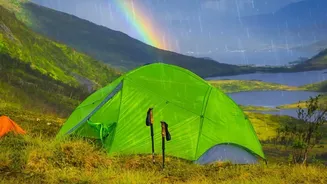
Being prepared can make the difference between a minor inconvenience and a serious emergency. First, build buffer days into your itinerary. A two-day delay due to a landslide is common, and a flexible schedule reduces stress. Pack a monsoon-specific emergency kit including a powerful torch, a power bank, a first-aid kit with medications for common ailments, and dry, high-energy snacks. Waterproofing is essential: use dry bags or zip-lock pouches for all electronics and important documents. Wear sturdy, waterproof shoes with good grip, and pack quick-drying synthetic clothing. Finally, inform a family member or friend of your detailed itinerary and check in with them regularly.