





Why Go Homemade for Your Rangoli?
Store-bought rangoli powders can often contain synthetic chemicals and toxins that may be harmful to the skin, especially for children and pets who might come into contact with them. Creating your own colours ensures they are completely safe and non-toxic.
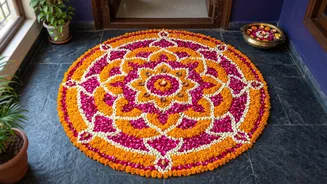
It’s also a wonderful nod to tradition, as rangoli was originally made with natural ingredients like rice flour. Using rice flour serves a beautiful purpose: it acts as food for tiny creatures like ants and birds, symbolizing a harmonious coexistence with nature. Furthermore, making your own powders is an eco-friendly choice that prevents soil and water pollution from synthetic dyes, allowing you to celebrate in a truly sustainable fashion.
Gathering Your All-Natural Ingredients
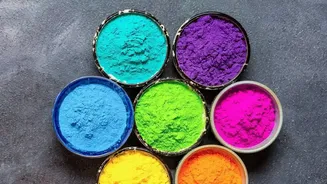
The foundation of your DIY rangoli powder is simple: rice flour. You can grind rice at home to get a slightly coarse texture, which flows more smoothly for creating designs, or use store-bought rice flour. For the colours, you will turn to your kitchen pantry and garden. These natural ingredients can be dried and ground or used as a paste to dye the rice flour. Here’s a list of easily available options: White: Plain rice flour or chalk powder. Yellow: Turmeric powder (haldi) is a classic choice for a vibrant yellow. Red: Dried and powdered hibiscus petals or kumkum (vermillion) work wonderfully. Pink/Magenta: Beetroot, when juiced or powdered, provides a deep, beautiful pink. Green: Dried and powdered spinach leaves, neem, or coriander will give you lovely shades of green. Orange: Dried marigold petals or a mix of turmeric and kumkum can create a bright orange. Brown: Cinnamon powder is perfect for an earthy brown tone.
The Step-by-Step Preparation Method
Once you have your ingredients, the process is straightforward but requires some patience, especially for drying. Start by dividing your base rice flour into separate bowls, one for each colour you plan to make. For dry ingredients like turmeric or cinnamon, simply mix the powder directly into the rice flour until you achieve your desired shade. For wet ingredients like beetroot juice or a paste made from spinach leaves, add a small amount to the rice flour and mix thoroughly with your hands until the colour is evenly distributed. You want to form a coloured paste or a damp, crumbly mixture. Be careful not to add too much water. Once mixed, spread the coloured paste thinly on a plate or mat and let it dry completely in the sun. This can take one to three days. Avoid using a heat gun or oven, as this can cook the flour. After the mixture is bone-dry, it will break apart easily. Grind these dried pieces into a fine powder using a mixer or blender, and your homemade rangoli colour is ready.
Tips for Better Texture and Storage
The texture of your rangoli powder is key to creating clean lines. If your powder made from pure rice flour feels too fine, mixing it with a small amount of fine salt can improve its texture and flow. However, be aware that salt can absorb moisture from the air and may melt if you sprinkle water on the ground before making your design. For a coarser powder, grinding your own rice instead of using ultra-fine store-bought flour is recommended. To keep your homemade colours fresh and vibrant, store them in airtight containers away from moisture and direct sunlight. Properly stored, these natural powders will be ready for you to use throughout the festive season.