




The Balcony Gardener’s Monsoon Dilemma
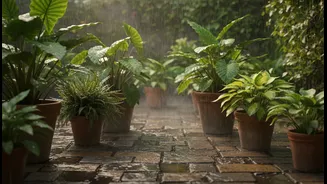
One day, your pots are bone dry under the scorching pre-monsoon sun. The next, they are submerged by a relentless downpour that lasts for hours. This wet-dry-wet cycle is the core challenge of container gardening during the Indian monsoon. Garden soil,
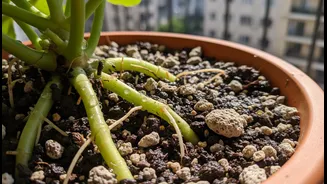
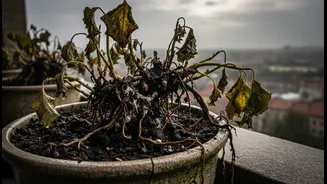
when confined to a pot, tends to compact. During heavy rain, this dense soil becomes a brick of mud, choking roots and creating the perfect environment for root rot. Then, a few days of intense sun can bake the top layer, while the bottom remains dangerously waterlogged, confusing even the most attentive plant parent. Your plants are simultaneously at risk of drowning and, paradoxically, of drying out as their damaged roots can no longer absorb water effectively. This volatility is precisely where a special soil amendment can make all the difference.
Meet Perlite: The Volcanic Popcorn for Your Plants
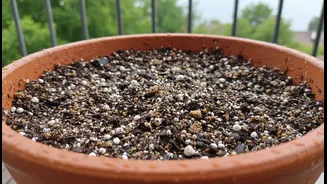
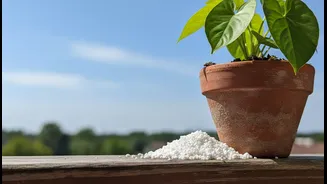
If you have ever examined a bag of commercial potting mix, you've likely seen small, white, lightweight balls that look like bits of styrofoam. This is perlite. It’s not a synthetic material but a naturally occurring volcanic glass. When this glass is mined and heated to extremely high temperatures (around 1000°C), the water trapped inside it turns to steam, causing the rock to expand or ‘pop’ like popcorn. The result is an incredibly lightweight, sterile, and porous material with a neutral pH, meaning it won't alter your soil's chemistry. These popped granules are filled with tiny air cavities, which is the secret to their horticultural magic.
The Science of Moisture Buffering
The term 'moisture buffering' perfectly describes perlite's dual function. It seems contradictory, but perlite improves both drainage and water retention. Here’s how: When you water your plant or when it rains heavily, the rigid, porous structure of the perlite granules creates a network of channels within the soil. This prevents the soil from compacting and allows excess water to drain away freely, safeguarding the roots from sitting in a bog. However, while letting the excess run off, the dimpled surface and internal pores of the perlite itself absorb and hold onto some of that water. It doesn't act like a sponge that becomes saturated, but rather as a tiny reservoir, clinging to moisture that it then releases back into the soil as it begins to dry out. This creates a more stable moisture level in the pot.
Surviving the Deluge: Aeration and Drainage
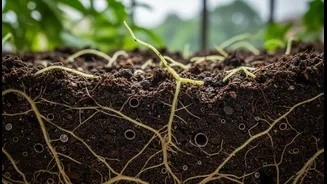
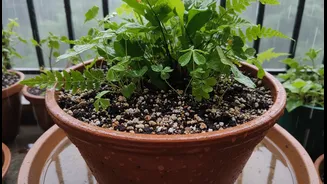
The number one killer of potted plants during the monsoon is root rot, caused by a lack of oxygen when soil is waterlogged. Healthy roots need to breathe. By adding perlite to your potting mix, you are physically separating the soil particles and preventing them from clumping together. This creates countless tiny air pockets, ensuring that even after a heavy downpour, oxygen can still reach the roots. Coarser grades of perlite are particularly effective at increasing aeration. Think of it as building a better infrastructure inside your pot, allowing water to exit efficiently while keeping the 'airways' open for your plant's roots to function properly.
Thriving in the Dry Spells
The monsoon isn't just about constant rain; it's often punctuated by days of strong sun and wind that can quickly dry out a balcony pot. This is where the moisture held by the perlite becomes crucial. The water retained on its vast surface area provides a readily available source of hydration for plant roots, helping to tide them over until the next watering or rainfall. This buffering effect means your plants experience less stress from the extreme swings between saturation and dehydration. They have a more consistent moisture supply, which encourages stronger, healthier root development and a more resilient plant overall.
How to Use Perlite in Your Balcony Garden
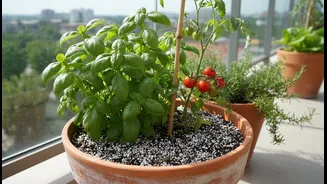
Incorporating perlite is simple. It's not a replacement for soil but an amendment to it. For a general-purpose potting mix suitable for most vegetables, herbs, and flowering plants, a good ratio is about 1 part perlite to 3 or 4 parts of your soil and compost mix. For plants that are particularly sensitive to wet conditions, like succulents, or for gardeners in regions with extremely heavy rainfall like Mumbai, you might increase the ratio to 30% perlite. Simply mix the dry components—your soil, compost, and perlite—together thoroughly before potting your plant. This ensures an even distribution and an optimal environment for your plant to brave the monsoon.