





An Ode to Simple Pleasures
While the headline’s claim that *everyone* loves it might be a stretch, it’s hard to find a snack more universally cherished in India during a specific season than Bhutta. We’re talking about corn on the cob, but not the boiled, butter-drenched version
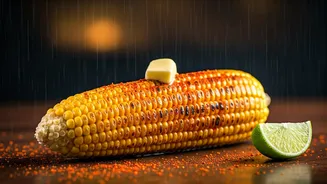
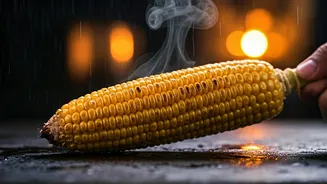
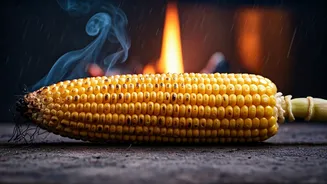
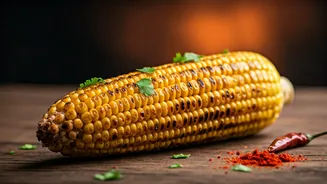
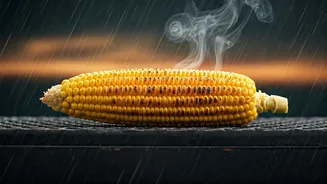
you might find elsewhere. This is corn kissed by fire, roasted over a bed of glowing charcoal until its kernels are tender, blistered, and infused with a deep, smoky flavour. It is the undisputed king of monsoon street food, a simple pleasure that transcends age, class, and region. It’s less a snack and more a sensory experience, a ritual that marks the arrival of the rains.
The Monsoon Ritual
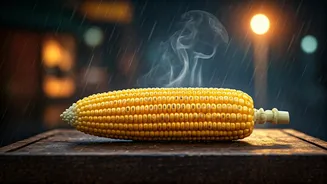
Why the monsoon? The connection between Bhutta and the rainy season is deeply ingrained in the Indian psyche. Fresh corn harvests often coincide with the arrival of the monsoon. The cool, damp air creates a natural craving for something warm and hearty. The sight of a Bhutta-wallah, fanning his portable coal stove under a makeshift umbrella, is a quintessential image of an Indian city or town in the rain. The sound of the kernels popping over the embers, the fragrant smoke mingling with the petrichor (the earthy smell of rain on dry soil), creates a powerful, multi-sensory memory that people carry with them from childhood. It’s the perfect antidote to a gloomy day, a warm, comforting bite that feels like a hug.
A Symphony of Flavour
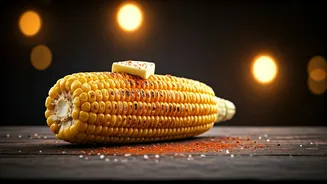
The magic of Bhutta lies in its preparation, a masterclass in minimalism. Once the corn is roasted to perfection—a delicate balance between charred and cooked—the vendor performs a final, crucial ritual. They take half a lemon, dip it into a signature spice blend (usually a mix of salt, red chilli powder, and sometimes chaat masala or black salt), and rub it vigorously all over the hot cob. The heat from the corn activates the spices, releasing their aroma. The acidity of the lime cuts through the sweetness of the corn, while the salt and chilli provide a savoury, spicy kick. Every bite is a perfect explosion of sweet, smoky, tangy, and spicy. It’s a flavour profile that’s complex yet incredibly direct, hitting all the right notes without any fuss.
More Than Food, It's an Experience
Eating Bhutta is rarely a solitary affair. It’s a social snack, enjoyed while walking through a crowded market, on a long drive through the countryside with the windows down, or during a family outing to a local park. You stand around the vendor with friends or family, each person waiting for their cob to be spiced just right. There's an unspoken camaraderie in the shared experience, in the slight messiness of it all, with blackened fingers and kernels stuck in your teeth. It’s a moment of pause, a break from the hustle, where the only thing that matters is the delicious, smoky snack in your hands. It represents a connection to something simple and real in an increasingly complex world.
The Timeless Classic
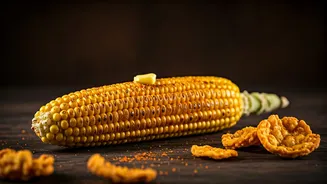
Of course, modern cafes and restaurants have tried to elevate it. You might find “deconstructed corn chaat” or “spiced corn ribs” on trendy menus. There’s the American sweet corn version, boiled and served in cups with butter and various toppings. While these have their own appeal, they can’t replicate the raw, elemental charm of the original. The street-side Bhutta, roasted on coals and seasoned with that simple lemon-spice mix, remains undefeated. Its appeal isn't just about taste; it's about authenticity, nostalgia, and the shared cultural memory it represents.