


The Rise of Slow Travel
For a generation raised on instant gratification, there's a growing appreciation for taking things slow. The concept of 'slow travel' is gaining traction, particularly among Gen Z and millennials. Instead of a frantic, checklist-driven holiday, they are
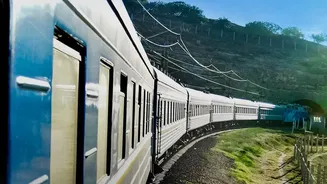
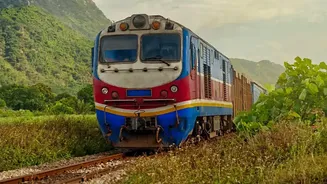
seeking more immersive and meaningful experiences. This mindset encourages a deeper connection with the places visited, focusing on culture, local life, and personal growth. It's a move away from needing a vacation from your vacation, and towards creating richer memories by being present in the moment. Train travel is the perfect vehicle for this philosophy. It turns the transit time, often seen as a necessary evil, into a highlight of the trip, allowing travellers to decompress, reflect, and watch the landscape unfold at a human pace.
An Eco-Conscious Generation
Today’s young travellers are increasingly aware of their environmental footprint. The concept of 'flight shame' is real, and it’s influencing travel decisions. Trains offer a significantly greener alternative. On average, rail travel can reduce carbon emissions by up to 90% compared to flying for a similar journey. For instance, some reports indicate that a plane emits about seven times more CO2 per passenger-kilometre than an average train. This stark difference is a powerful motivator for a generation that prioritises sustainability. By choosing trains, they are making a conscious decision to protect the planet while still satisfying their wanderlust, aligning their actions with their values.
More Than Just the Destination
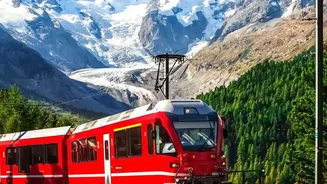
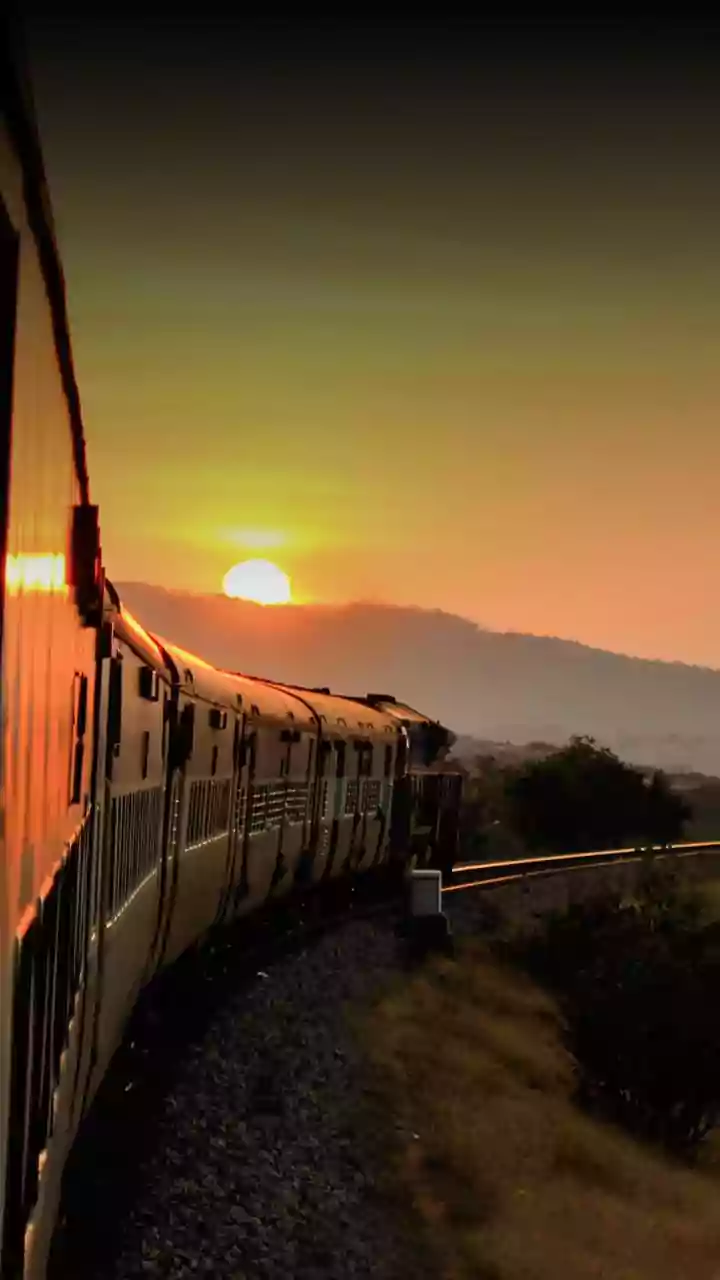
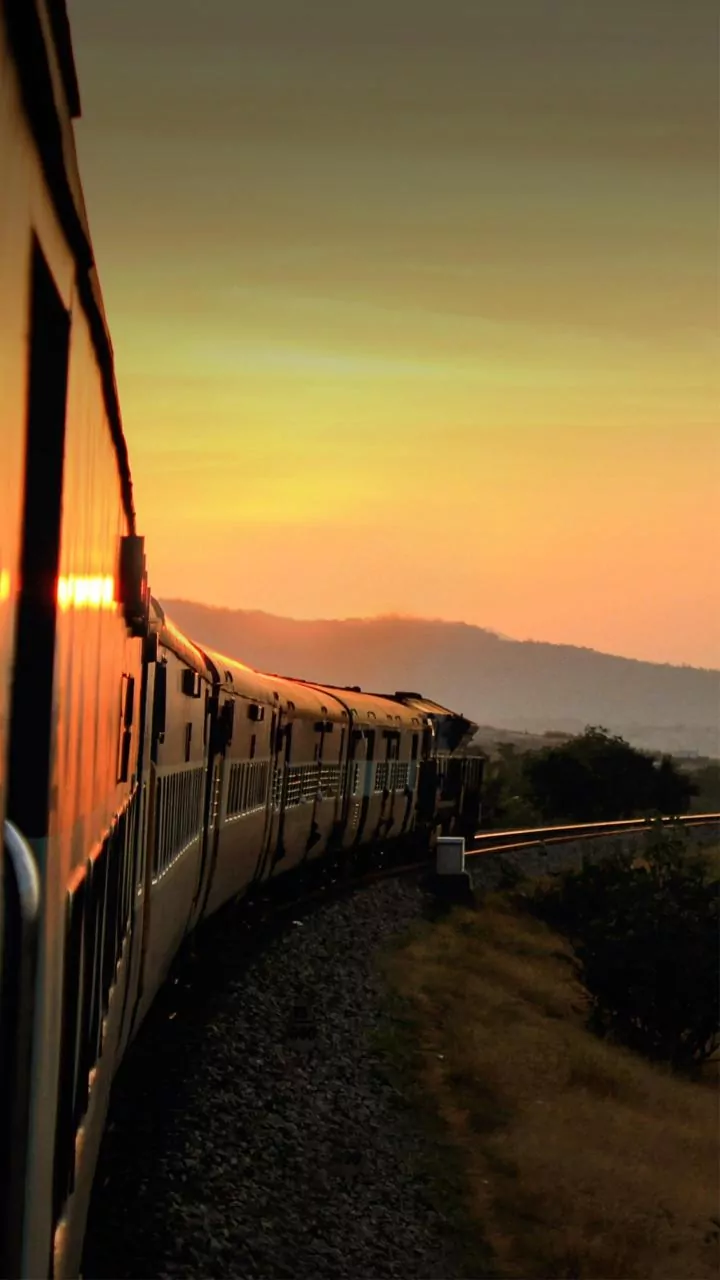
The experience of train travel itself holds a unique appeal. Unlike the cramped confines of an airplane, trains offer more space, the freedom to walk around, and often, amenities like cafe cars. This creates a more relaxed and social atmosphere, where chance conversations with fellow passengers can become a memorable part of the journey. Furthermore, the views from a train window are unparalleled. The journey becomes a rolling documentary, showcasing the changing landscapes, from bustling cities to quiet villages and dramatic natural scenery. Social media feeds are now filled with reels of 'train journaling' and scenic clips that romanticise the ride, inspiring others to seek out these experiences. The journey is no longer a means to an end; it’s a central part of the adventure.
The Economics of the Rails
While not always the cheapest option, train travel can be highly economical, especially for longer, multi-stop trips. The lack of stringent baggage restrictions and fees is a major plus, saving travellers money and hassle. Train stations are also typically located in city centres, eliminating the extra time and cost of travelling to and from airports situated on the outskirts. For young travellers, who are often on a budget, these practical advantages are compelling. Many are adept at finding deals, using rail passes, and planning their trips to maximise value, making train travel a smart and affordable way to explore.
India's Iconic Rail Journeys
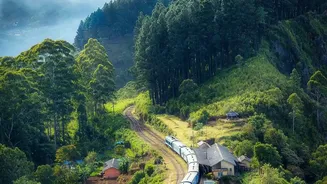
In India, this trend is amplified by the country's vast and iconic railway network. Young travellers are rediscovering legacy routes that offer breathtaking views and a touch of nostalgia. The Kalka-Shimla Railway, a UNESCO World Heritage Site, winds through pine forests and over 800 bridges. The journey on the Mandovi Express from Mumbai to Goa offers a spectacular show of the Western Ghats on one side and the Arabian Sea on the other, passing through dense forests and over the famous Dudhsagar Falls. Other popular scenic routes include the Darjeeling Himalayan Railway, the Nilgiri Mountain Railway, and the stunning coastal Konkan Railway, each providing a unique and unforgettable travel experience.