



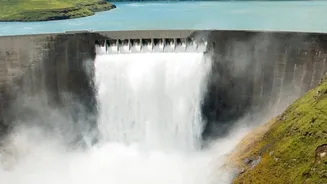

A Season of Scarcity
The 2026 southwest monsoon season officially concluded with a significant shortfall, marking it as the weakest in over a decade. According to the India Meteorological Department (IMD), the country received rainfall that was 12.6% below the long-period
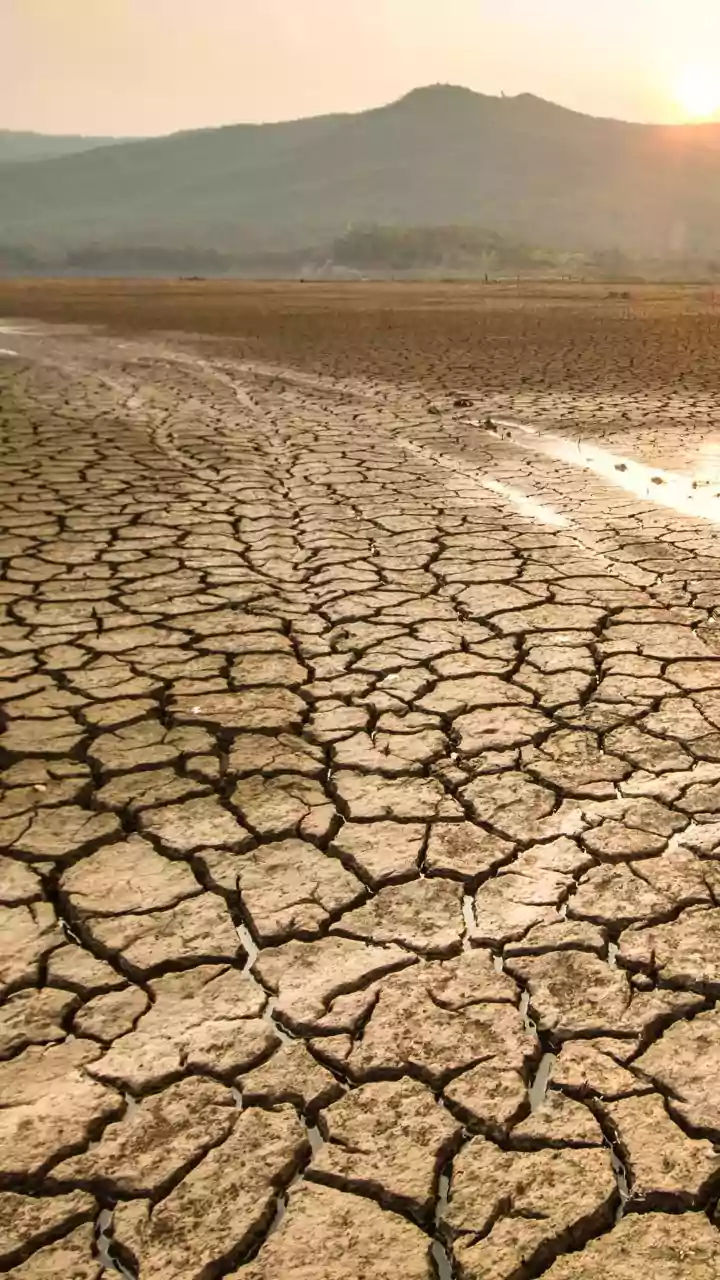
average. This national figure, however, masks severe regional disparities. The southern peninsula and the east and northeast regions faced deficits of around 24% to 25%. While central India fared better, the overall performance was categorised as "deficient," largely influenced by a strengthening El Niño phenomenon. The erratic nature of the rain, with a very dry June followed by a volatile pattern, has left water reservoir levels depleted and soil moisture low in many parts of the country, creating a precarious situation for agriculture.
From Fields to Finances
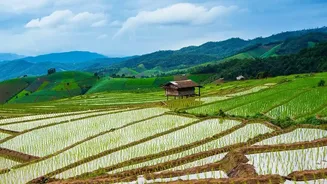
For India's vast rural population, the monsoon is the primary economic engine. A poor season directly translates to lower farm income. The deficient rainfall has already impacted the sowing of crucial Kharif (summer) crops. As of late September, total acreage was down compared to the previous year, with notable declines in water-intensive crops like rice and maize. Even for sown crops, yields are at risk due to moisture stress during critical growth stages. This directly affects the earnings of millions of farmers. The impact goes beyond just crop owners; it reduces employment for agricultural labourers and slows down the entire rural non-farm economy, which thrives on healthy farm spending. Consequently, disposable income in rural households is expected to shrink.
The Corporate Ripple Effect
A slowdown in the rural economy sends immediate shockwaves through corporate India. Companies in the Fast-Moving Consumer Goods (FMCG), two-wheeler, and tractor sectors depend heavily on rural demand, which has been a key driver of growth. With less cash in hand, rural consumers are likely to cut back on discretionary spending, prioritising essentials over new purchases. This is particularly concerning as it comes just ahead of the crucial festive season, a period when companies typically see a significant sales spike. Rating agency ICRA has already cautioned that weaker farm incomes could dampen rural demand in the second half of the financial year. Analysts are now closely watching these sectors for signs of a consumption slowdown.
Searching for a Buffer
The government is not standing by idly. Recognising the potential for distress, central and state authorities are preparing contingency plans. These measures include district-specific advisories, promoting less water-intensive crops for the upcoming Rabi (winter) season, and ensuring the availability of drought-resistant seeds. There is also discussion around providing financial relief to the most affected regions. For instance, Maharashtra, facing severe drought conditions, has rolled out relief packages that include restructuring crop loans and providing concessions on electricity bills for farmers. The government has also assured the states of financial support to help them take adequate measures to support farmers through this challenging period.