



The Sun’s Turbulent Temper
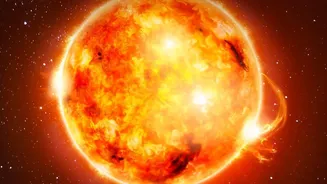
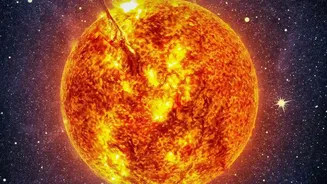
When we think of weather, we imagine rain, wind, and sun. But there’s another kind of weather that originates 150 million kilometres away: space weather. This refers to the changing conditions in space, driven entirely by the Sun. Our star isn't a quiet,
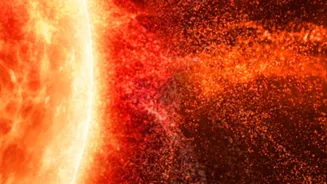
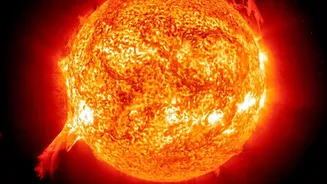
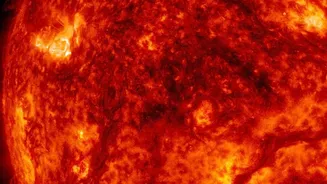
steady ball of fire; it's a dynamic and sometimes violent sphere of hot gas and complex magnetic fields. The most dramatic forms of space weather are solar flares and coronal mass ejections (CMEs). A solar flare is an intense burst of radiation, like a giant flash of lightning, that can reach Earth in minutes. A CME, on the other hand, is a massive eruption of solar plasma and magnetic fields flung into space, sometimes travelling towards Earth over several days. We are currently in a period of high solar activity, known as the solar maximum, which means these events are becoming more frequent.
How Solar Storms Disrupt Modern Life
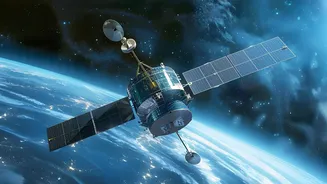
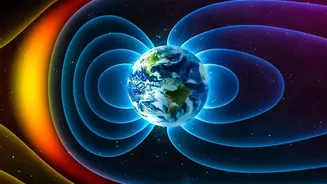
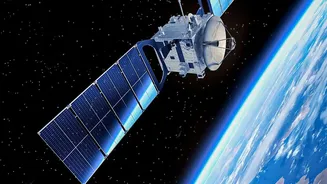
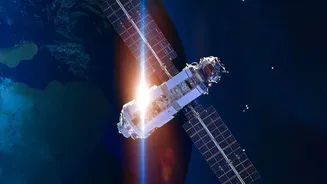
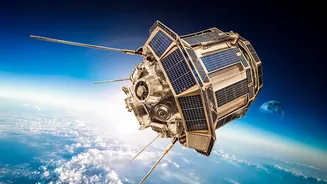
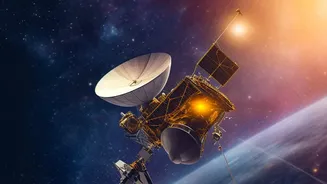
When a solar storm hits Earth, it doesn't cause bad weather on the ground, but it wreaks havoc on our technology. The radiation from a solar flare can disrupt high-frequency radio waves used by airlines for communication, especially over polar routes. CMEs can trigger geomagnetic storms by interacting with Earth's magnetic field. These storms heat and expand our upper atmosphere, increasing the drag on low-orbiting satellites and causing them to lose altitude. The charged particles from these events can also fry sensitive satellite electronics, disrupt the GPS signals we use for navigation, and even induce currents in power grids on the ground, potentially causing widespread blackouts. Inaccurate GPS signals can affect everything from shipping and aviation to precision farming, which relies on satellite guidance for tractors. A severe storm could cause billions of dollars in economic damage daily.
The New Frontier of Forecasting
For years, predicting space weather has been a major challenge, with warnings often coming just hours before impact. But that is beginning to change thanks to new research combining artificial intelligence (AI) with vast amounts of solar data. Recent breakthroughs have produced models that offer the potential to forecast major solar events weeks in advance. A new tool developed by the Southwest Research Institute (SwRI) and the National Center for Atmospheric Research (NCAR) uses AI and an understanding of the Sun's deep magnetic dynamics to predict where flare-producing regions will emerge on the solar surface. This could give satellite operators, airlines, and power grid managers significantly more lead time to prepare. Other models, like one developed by NASA and IBM called 'Surya', analyze years of high-resolution solar imagery to spot patterns that precede flares, boosting forecast accuracy and warning times.
From Prediction to Protection
The goal of this research isn't to stop solar storms, but to provide timely and accurate warnings. An advanced forecast allows for protective measures to be taken. For instance, satellite operators can put their spacecraft into a protective 'safe mode' to shield sensitive electronics from damaging radiation. Power grid managers can prepare their systems to handle induced electrical currents and prevent blackouts. Airlines can reroute flights to avoid areas where radio communications might be lost or where passengers and crew could be exposed to higher radiation levels. These forecasts turn a potential catastrophe into a manageable event. By understanding what the Sun is about to do, we can mitigate the worst of its effects and ensure the technologies that underpin our daily lives remain stable and reliable.