





The New 'In-Season'
The long-held belief that the monsoon season, from roughly June to September, is an 'off-season' for travel is rapidly dissolving. Traditionally, tourists avoided the rains, fearing travel disruptions and limited activities. Now, this period is being
rebranded by travellers themselves. The appeal is twofold: practicality and aesthetics. With fewer crowds at popular sites, travellers can enjoy a more peaceful and authentic experience. Financially, the off-season model means more affordable flights and accommodation, with hotels often offering significant discounts to attract guests. This combination of lower costs and a more relaxed atmosphere is proving irresistible for many.
What's Driving the Downpour of Tourists?
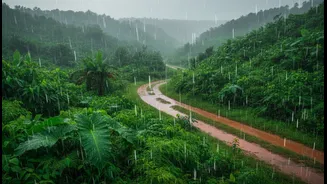
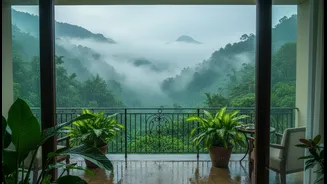
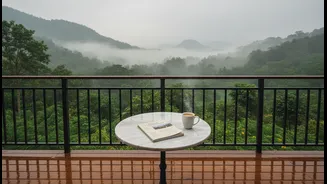
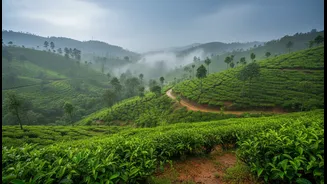
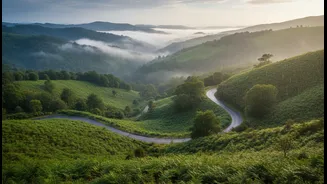
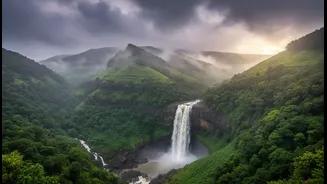
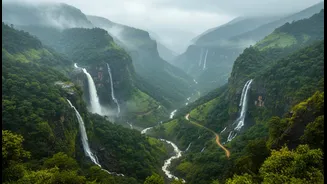
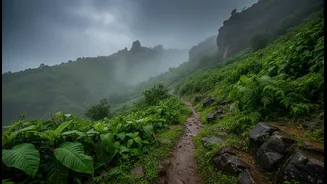
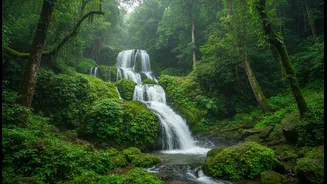
Several factors are fuelling this trend. The rise of domestic tourism is a major driver, with families, couples, and solo travellers opting for shorter, more frequent breaks instead of one long annual holiday. Improved road and air connectivity has made weekend getaways much easier. Furthermore, there is a growing desire for experience-led travel over conventional sightseeing. Travellers are actively seeking the unique beauty that the monsoon unlocks: lush green landscapes, mist-covered hills, and roaring waterfalls. Social media plays a role, with feeds filled with dramatic, rain-soaked vistas from places like the Western Ghats and Kerala, inspiring others to seek out these scenes for themselves.
From the Ghats to the Hills
The monsoon's magic isn't confined to one region. Kerala, with its rejuvenated backwaters and Ayurvedic treatments, remains a perennial favourite. In Maharashtra, hill stations like Lonavala, Khandala, and Mahabaleshwar become carpeted in green and are popular for short trips from Mumbai and Pune. Coorg in Karnataka, known as the 'Scotland of India', turns into a verdant paradise perfect for nature lovers. Even Rajasthan, often associated with its dry desert climate, offers a different charm, with its lakes in Udaipur filling up and the landscape taking on a surprisingly green hue. Data shows that destinations like Munnar and Mussoorie have seen a nearly tenfold growth in hotel bookings during the monsoon season compared to the previous year.
An Economic Lifeline
This shift has profound economic implications. For many destinations, monsoon tourism provides a much-needed year-round income stream, transforming the seasonal boom-and-bust cycle into a more stable, sustainable model. Hotels, restaurants, tour operators, and local artisans who once faced a lean period now see continued business. Major hotel groups report that July bookings are pacing significantly ahead of previous years, confirming that the monsoon is no longer an off-peak period but a preferred travel season. This growing trend is reinforcing confidence in the long-term growth of India's domestic travel sector.
A Note of Caution
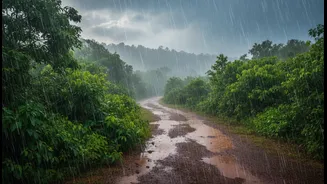
While the allure of a monsoon trip is strong, it requires careful planning. The same rains that create such beauty can also lead to challenges. Unpredictable weather can cause travel delays, with road closures and flight disruptions being common. In hilly areas, the risk of landslides increases, and some coastal attractions, like beaches in Goa, may be inaccessible. It is crucial for travellers to stay informed about weather forecasts, especially district-level alerts, and to have flexible itineraries. Packing appropriate waterproof gear, carrying emergency supplies, and being mindful of health and hygiene are also essential for a safe and enjoyable trip.