



A Symphony of Flavours
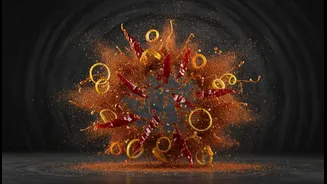
At its heart, chatpata is not a single taste but a masterful symphony of contrasting sensations hitting the palate all at once. It’s a flavour profile built on a foundation of opposites that attract. The primary components include tangy (khatta) from
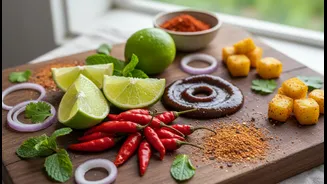
ingredients like tamarind, raw mango powder (amchur), and lemon juice; spicy (teekha) from green and red chillies; sweet (meetha) from tamarind and date chutneys or a hint of sugar; and salty (namkeen) from black salt (kala namak) and regular salt. This combination doesn't just add flavour; it creates a complex profile that keeps your taste buds guessing and wanting more. This blend is the essence of what makes chaat, India's beloved street food, so iconic.
The Science of the Craving
Our attraction to chatpata food is deeply rooted in brain chemistry. When we eat foods that are high in sugar, salt, or fat, our brain's reward system is activated, releasing a neurotransmitter called dopamine. This chemical is associated with pleasure and reinforces our desire for that food. Chatpata snacks, which often combine these elements, essentially create a party for our brain. The intense and varied stimulation prevents flavour fatigue, where our palate gets bored of a single taste. The goal isn't just to satisfy hunger but to create a vibrant, memorable sensation. This phenomenon explains why diners globally are increasingly drawn to complex, bold flavours found in Mexican, Thai, and Korean cuisines, which all share a similar philosophy of balancing sweet, sour, spicy, and salty.
It's a Textural Thing
The appeal of chatpata food goes beyond just taste and smell. Texture plays a crucial role in this multi-sensory experience. Think about a classic bhel puri or sev puri. You have the crispiness of the puffed rice or the papdi, the crunch of sev and onions, and the softness of boiled potatoes. This textural contrast is just as important as the flavour explosion. The sound of crunchiness itself can signal freshness to our brain, making the food more enjoyable. Combining different textures—crunchy, soft, crispy, and even the coolness of yogurt in dishes like dahi puri—creates a more dynamic and satisfying eating experience.
A Bite of Culture and Nostalgia
For many, the love for chatpata food is deeply intertwined with memory and culture. It’s the flavour of after-school treats, street-side stalls buzzing with friends, and festive gatherings. These foods are rarely eaten in formal settings; they are social foods, meant to be shared and enjoyed in a lively atmosphere. This emotional connection, often called 'Proustian recall', means a single bite can unlock a flood of happy memories, making the food taste even better. Whether it’s pani puri with friends or a plate of aloo tikki chaat on a rainy day, the experience is often as important as the food itself. This makes chatpata snacks a comforting and nostalgic indulgence for millions.
India's Chatpata Champions
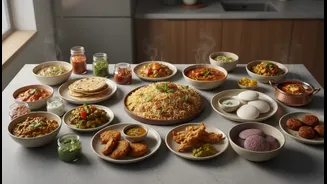
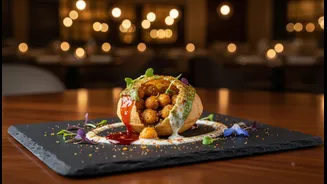
India's street food culture is a testament to the nation's mastery of the chatpata flavour profile. From pani puri, with its spicy water and sweet chutney-filled shells, to aloo chaat, featuring crispy fried potatoes tossed in spices and chutneys, the variety is endless. Bhel puri offers a crunchy mix of puffed rice, vegetables, and chutneys, while dahi puri provides a cooling counterpoint with yogurt-filled puris. Even regional specialties like Kolkata's churmur or South India's sundal showcase unique takes on this beloved flavour combination, proving its universal appeal across the country.