
More Than Meets the Eye
For centuries, astronomers were limited to observing the universe in visible light—the same sliver of the electromagnetic spectrum that our eyes can detect. This provided a beautiful, but fundamentally incomplete, view of the cosmos. Many celestial objects
and processes are invisible to us, either because they are shrouded by dust or because they radiate energy at wavelengths our eyes cannot perceive. It’s like trying to understand a symphony by only listening to the violins; you hear the melody but miss the thunder of the percussion and the harmony of the woodwinds. To get the full picture, astronomers realised they needed to see the universe in all its colours, from low-energy radio waves to the most energetic gamma rays.
Astronomy's Full Spectrum
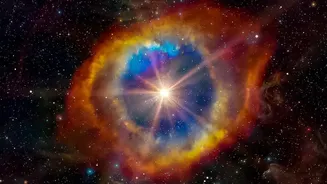
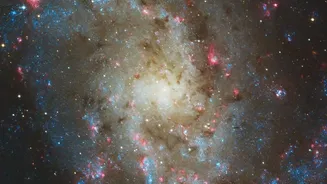
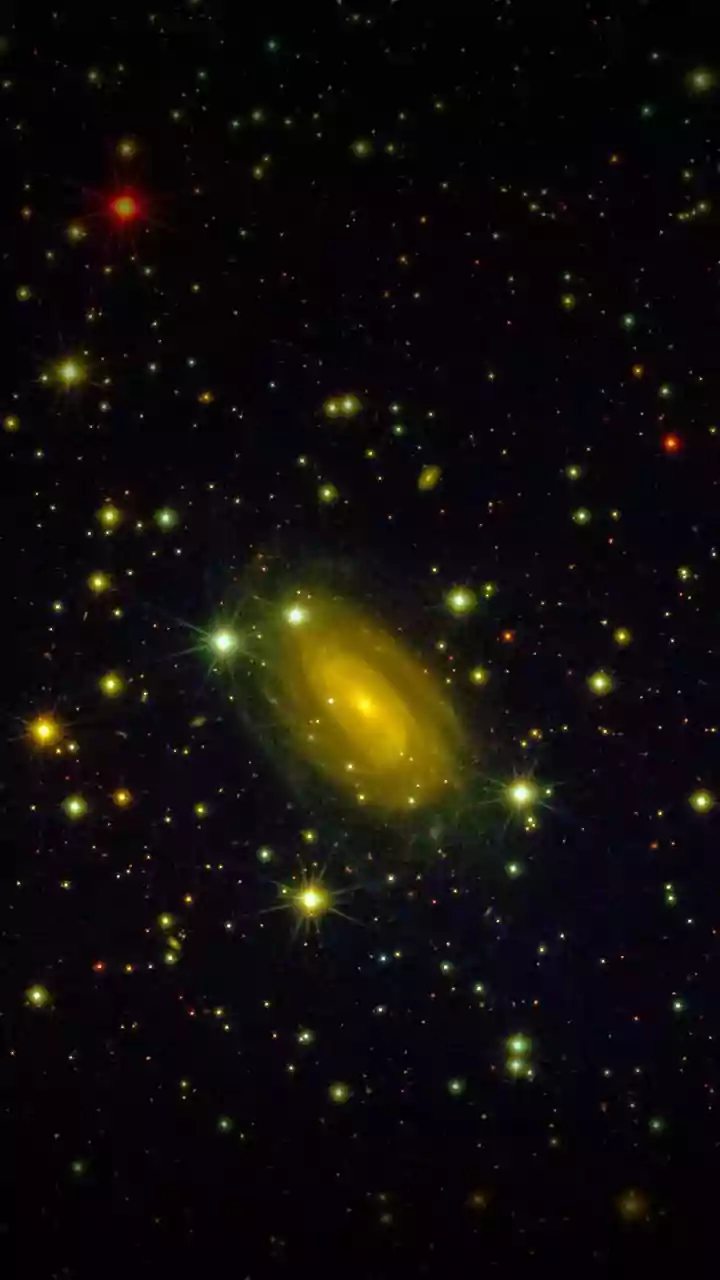
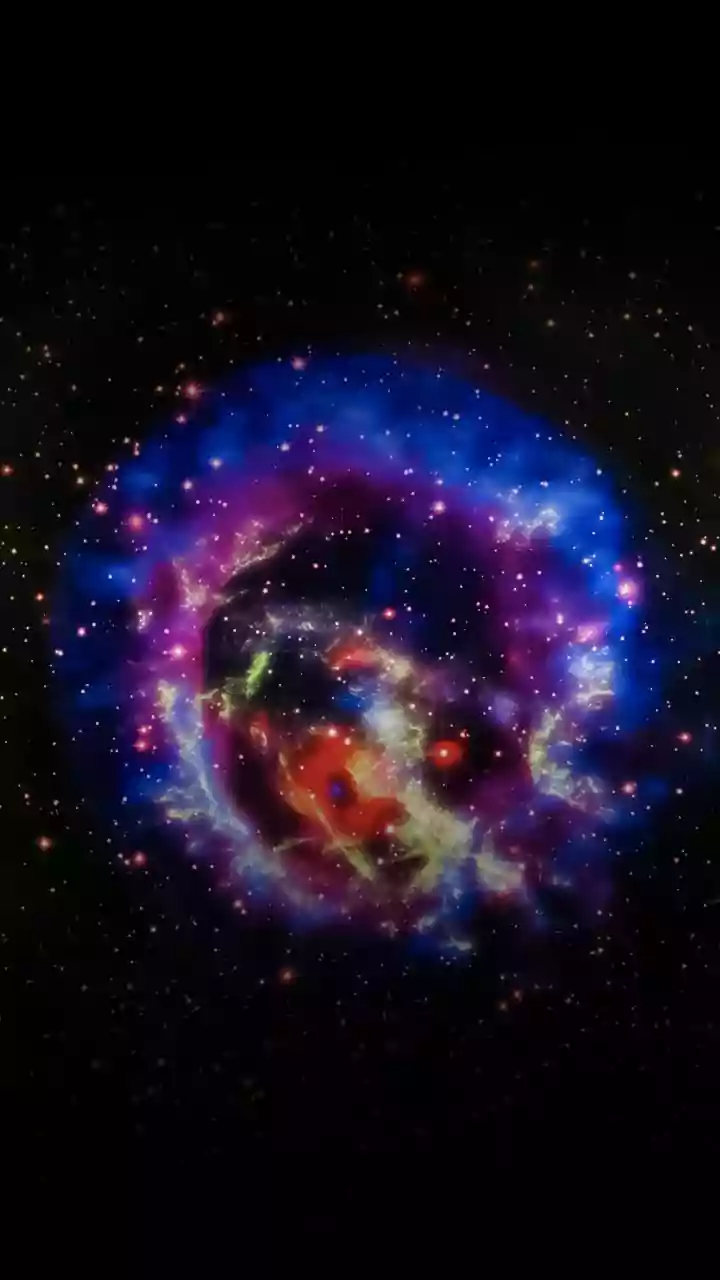
This need gave rise to multiwavelength astronomy, an approach that combines observations from different telescopes, each designed to detect a specific type of light. Infrared telescopes like the James Webb Space Telescope (JWST) excel at peering through cosmic dust to see cool, young stars and the regions where they are born. Visible light telescopes, such as the Hubble Space Telescope, capture the light from warmer stars, much like our own Sun. On the higher-energy side of the spectrum, X-ray observatories like NASA's Chandra X-ray Observatory detect extremely hot and violent phenomena. This includes gas heated to millions of degrees as it's pulled into a supermassive black hole, or the remnants of an exploded star. By layering these different views, astronomers can construct a comprehensive and dynamic portrait of a galaxy.
A Galactic Collision in Focus
A stunning example of this technique is the study of NGC 3256, a distorted galaxy about 120 million light-years away. Formed from the head-on collision of two massive spiral galaxies that met around 500 million years ago, it is a chaotic and vibrant laboratory for galactic evolution. Recent images from the JWST reveal the galaxy’s infrared glow, with striking red and orange regions highlighting shining dust and a luminous burst of star formation triggered by the merger. These are the ‘cool’ and ‘warm’ features, showing where the raw materials of the galaxy are churning. Observations from Chandra, on the other hand, have uncovered evidence of a heavily obscured supermassive black hole in one of the original galactic cores, revealing the high-energy processes at play. Without combining these views, astronomers would miss the crucial connection between the merger, the resulting starburst, and the activity of the central black holes.
The Cosmic Ecosystem
Combining these multiwavelength views allows scientists to understand a galaxy not as a static collection of stars, but as a living, breathing ecosystem. They can trace how energy and matter flow through the system. For instance, powerful outflows from a supermassive black hole (seen in X-rays and radio waves) can push gas out of a galaxy, which can either halt or trigger the formation of new stars (seen in infrared and ultraviolet light). This interplay, known as feedback, is a critical component of how galaxies evolve, regulating their growth over billions of years. By observing the cool gas that forms stars, the warm stars that shine for aeons, and the high-energy eruptions from galactic cores, scientists can piece together the complete life cycle of galaxies. They are no longer just taking a picture, but are beginning to read the entire story.