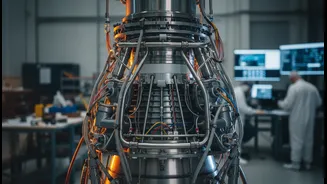










A New Space Race at Home
For decades, the dream for aspiring Indian space engineers was singular: join the prestigious Indian Space Research Organisation (ISRO) or seek opportunities abroad with agencies like NASA. But a new path has emerged. Founded in 2018 by former ISRO scientists
Pawan Kumar Chandana and Naga Bharath Daka, Skyroot Aerospace represents a paradigm shift. It is at the forefront of India's burgeoning private space sector, which now comprises over 400 startups. With its mission to make spaceflight affordable and accessible, Skyroot is not just building rockets; it's building a new destination for India's top technical talent. The company is part of a broader trend where startups are now mature enough to attract not just fresh graduates, but also seasoned experts.
The Magnet of Mission Vikram-1
A tangible, high-stakes goal is a powerful recruiting tool, and Skyroot has one of the most exciting in the country: the upcoming orbital launch of Vikram-1. Scheduled for July 18, the mission, named 'Aagaman' (Arrival), will be India's first-ever attempt to place payloads into orbit using a rocket completely developed by a private company. For a young engineer, the opportunity to contribute to such a landmark mission is immense. It offers a chance to be part of history. This isn't just another project; it is a national milestone that promises to redefine India's commercial space capabilities. The palpable energy surrounding the launch campaign creates an electrifying environment for the company's young workforce.
Agility and Hands-On Impact
Unlike the structured, and often slower, environment of a large government organisation, startups like Skyroot offer unparalleled agility and hands-on experience. Young researchers are drawn to the promise of end-to-end ownership. Instead of working on a small, isolated component of a massive project over several years, they can be involved in designing, building, and testing entire rocket systems. This accelerated learning cycle and the ability to see one's work have a direct and immediate impact are powerful lures. The company culture is built on a high-trust, high-performance model that empowers employees. This startup grind, while demanding, appeals to those who want to solve complex problems and innovate rapidly without the constraints of bureaucracy.
Reversing the Brain Drain
The rise of companies like Skyroot signifies a crucial inflection point for India: the beginning of a reverse brain drain in the aerospace sector. Talented engineers who might have once looked exclusively to foreign opportunities now see a vibrant and challenging ecosystem at home. The Indian government's space sector reforms, initiated in 2020, have been a critical catalyst, allowing private companies to access ISRO facilities and fostering a collaborative environment. Skyroot has actively partnered with academic institutions like IIT Guwahati to develop new technologies and train the next generation of engineers, creating a pipeline of talent directly into the domestic industry. This creates a self-sustaining ecosystem where national ambition and career aspiration align.