


Understanding Your Refrigerator’s Climate Zones
Not all parts of your refrigerator are the same temperature. Cold air sinks, making the bottom of your fridge the coldest area, while the top and the door are warmer. Most refrigerators should be set at or below 4°C (40°F) to slow the growth of harmful
bacteria. Knowing these microclimates is the key to effective storage. The top shelves have the most consistent temperatures, the bottom shelf is the coldest, and the door is the warmest due to constant opening and exposure to room temperature air. Understanding this simple principle is the first step to becoming a food storage expert.
The Door: Condiments and Preservatives Only
The refrigerator door is the warmest part of the unit, experiencing the most temperature fluctuation. This makes it a poor choice for perishable items like milk and eggs, which can spoil faster when not kept at a consistent, cold temperature. Instead, reserve the door for items that are naturally preserved or have a high tolerance for temperature changes. Think jams, jellies, pickles, sauces, and bottled water. These items contain sugar, salt, or vinegar, which act as natural preservatives and can handle the warmer conditions without spoiling.
Upper Shelves: Ready-to-Eat and Leftovers
The upper shelves of a refrigerator have a consistent, cool temperature, but are not the coldest part of the appliance. This makes them the perfect spot for foods that don't require freezing cold temperatures and are ready to eat. Store your leftovers, cooked meats, yogurt, and other ready-to-eat foods here. Placing cooked foods on the top shelf also follows a key food safety rule: it prevents any raw food juices from higher shelves dripping down and contaminating them. Think of it as the grab-and-go section of your fridge.
Lower Shelves: The Coldest Zone for Raw Goods
The bottom shelf is the coldest part of your refrigerator, making it the ideal storage location for your most perishable items. This is where you should store raw meat, poultry, and fish. To prevent cross-contamination, always keep these items in sealed containers or on a plate to catch any drips that could otherwise spread harmful bacteria to other foods. Dairy products like milk, paneer, and cheese also benefit from being in this colder section rather than the door, as the consistently cold temperature helps them stay fresh for much longer.
The Crisper Drawers: Mastering Humidity
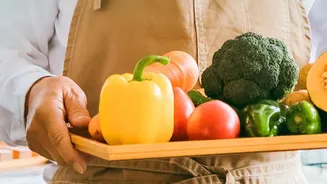
Those drawers at the bottom aren't just for general storage; they are crispers designed to control humidity. Most fridges have two drawers, which should be set differently. Set one to high humidity by closing the vent. This traps moisture and is perfect for leafy greens, herbs, broccoli, and other vegetables that are prone to wilting. Set the other drawer to low humidity by opening the vent. This allows ethylene gas—a natural ripening agent—to escape and is best for fruits like apples, pears, and avocados that are prone to rotting. Keeping ethylene-producing fruits separate from ethylene-sensitive vegetables is crucial to prevent premature spoilage.
What Not to Refrigerate
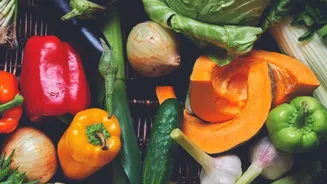
Just as important as knowing what goes where is knowing what should stay out of the fridge altogether. Certain foods can have their texture and flavour negatively affected by cold temperatures. Potatoes, for example, should be kept in a cool, dark pantry, as refrigeration can turn their starch to sugar. Onions, garlic, and winter squashes also prefer a cool, dry place. Tomatoes can become mealy and lose their flavour in the cold, so keep them on the counter. And unless your bananas are already ripe and you want to stop them from ripening further, they are best kept out of the fridge as the cold can turn their peels black.