



The Sweat Evaporation Problem
Our primary cooling system is sweat. When sweat evaporates from our skin, it takes heat with it, lowering our body temperature. However, during the humid monsoon season, the air is already saturated with water vapour. When relative humidity climbs above
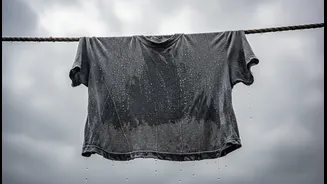
60%, the rate of sweat evaporation drops sharply. Your body's response is to produce even more sweat to try and cool down, but because it can't evaporate effectively, it mostly just drips off without providing much cooling relief. This process leads to continuous fluid and electrolyte loss, even if you don't feel like you're cooling down. You are losing significant amounts of water, but the lack of evaporation means you might not perceive just how much fluid your body is shedding.
When Thirst Isn't a Reliable Guide
Most of us rely on thirst as the main cue to drink water. The problem is, thirst isn't always a reliable first indicator of your body's needs; by the time you feel thirsty, you may already be mildly dehydrated. This issue is compounded by high humidity, which can blunt the body's thirst response. The feeling of being constantly damp from non-evaporating sweat can trick your brain into thinking you are adequately hydrated, suppressing the urge to drink. This makes it easy to fall behind on fluid intake without even realizing it, especially when the cooler, overcast weather of the monsoon makes you feel less compelled to drink than on a hot, sunny day.
Hidden Signs of Dehydration
Since you can't always rely on thirst, it's crucial to recognize the other, more subtle signs of dehydration. A dull headache, unexplained fatigue, or feeling dizzy and weak are common early warnings. Another key indicator is the color of your urine; if it's dark yellow or amber instead of a pale lemonade color, your body is telling you it needs more fluids. Other signs can include dry mouth and lips, muscle cramps, and even a sudden feeling of irritability or confusion. In humid weather, you might dismiss fatigue or a headache as just a consequence of the oppressive climate, but they could be your body's cry for water.
How to Stay Properly Hydrated
The key to monsoon hydration is being proactive, not reactive. Don't wait until you feel thirsty. A good rule of thumb is to aim for 2.5 to 3 litres of fluids per day, but this can vary based on your activity level and health. Make it a habit to sip water consistently throughout the day by keeping a water bottle handy. Set reminders every hour or so if you tend to forget. It’s also wise to start your day with a glass of water, as you naturally become dehydrated overnight. If you're exercising or working outdoors, you need to increase your intake significantly, drinking about a cup of water every 15-20 minutes to replenish what you lose through sweat. Remember to drink purified or boiled water, as the risk of waterborne diseases increases during the monsoon.
Eat and Drink Your Water
Hydration doesn't just come from a glass of water. Many foods have high water content and can significantly contribute to your daily fluid intake. Water-rich fruits and vegetables like watermelon, cucumber, oranges, and strawberries are excellent choices. Broths and soups are also a great way to rehydrate. Beyond plain water, you can opt for beverages that also replenish electrolytes lost through sweat, such as coconut water, buttermilk, or herbal teas. These not only hydrate but also provide essential minerals like potassium and sodium that are crucial for fluid balance in the body. Avoiding sugary, caffeinated, and alcoholic drinks is also important, as they can act as diuretics and contribute to fluid loss.