






The Burning Problem with EV Batteries
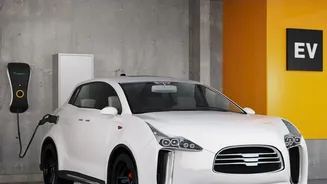
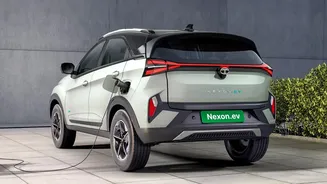
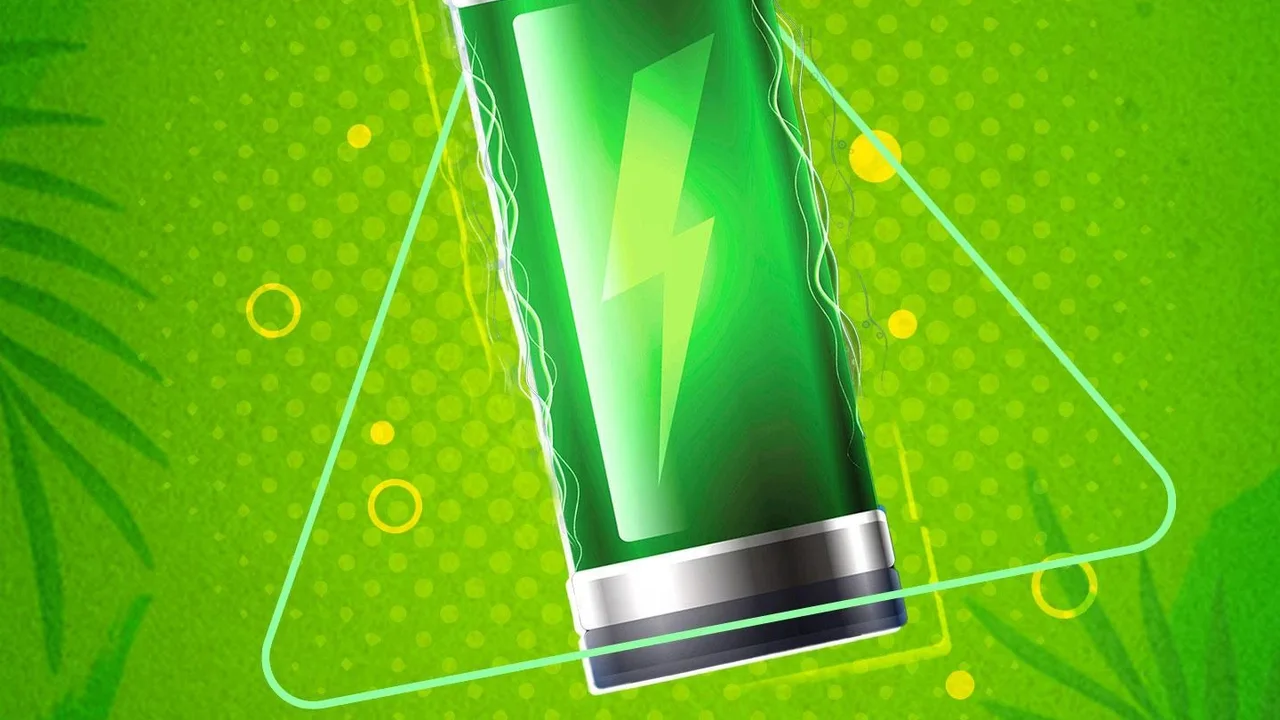
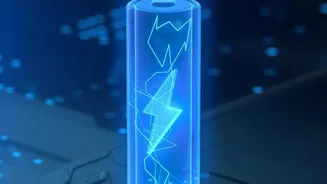
The heart of every electric vehicle is its battery, most commonly a lithium-ion pack. These powerhouses are incredibly efficient at storing and delivering energy, making long-range EVs possible. However, they have a well-known vulnerability. The liquid
electrolytes inside, which allow ions to flow between the battery's electrodes, are typically made from volatile and flammable organic solvents. In the event of a crash, manufacturing defect, or overheating, these batteries can enter a state called 'thermal runaway,' leading to fires that are notoriously difficult to extinguish. This safety concern remains a significant hurdle for widespread EV adoption and creates anxiety for consumers and manufacturers alike.
A Solution from an Unlikely Source
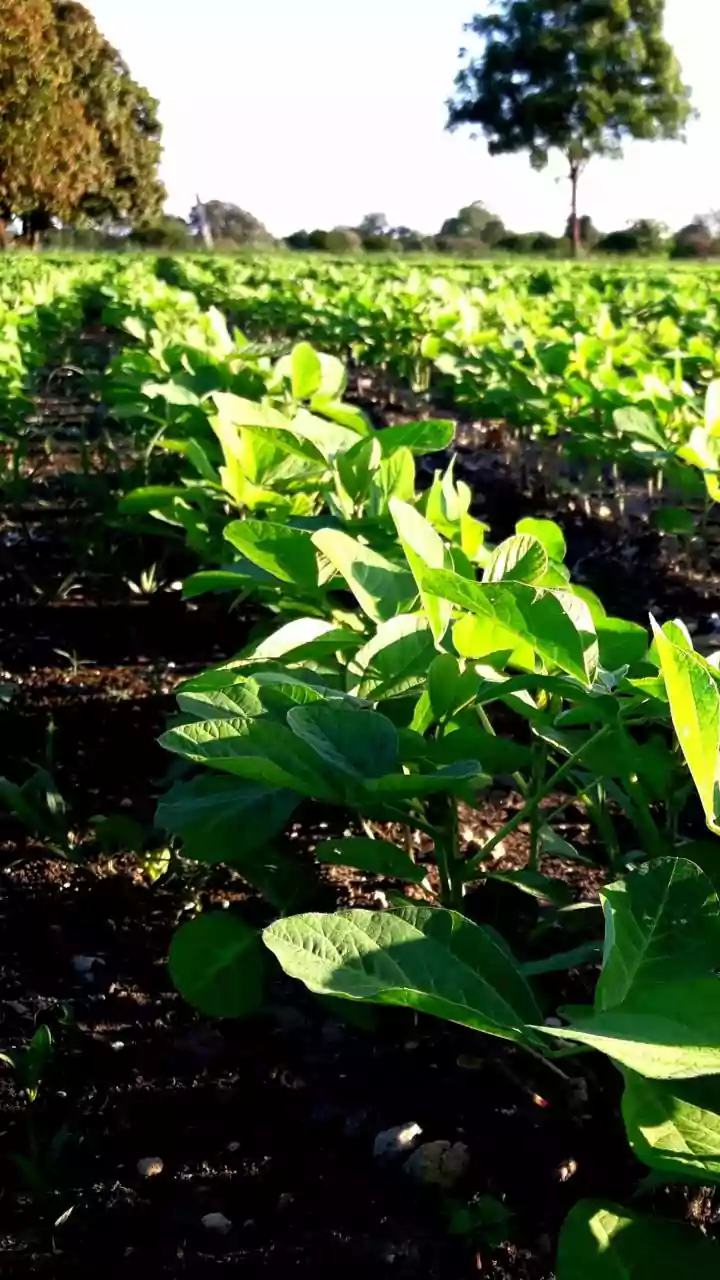
Scientists and innovators are now turning to one of the world's most abundant and underutilised resources for an answer: agricultural waste. Lignin, a complex polymer that gives plants their rigidity, is being repurposed to create a new generation of battery components. Lignin is a major byproduct of the paper and pulp industry and is plentiful in agricultural residues like crop stubble, husks, and stalks. Instead of being treated as waste, this biomass is now being seen as a key ingredient for safer, more sustainable batteries. By transforming this organic material, researchers are developing electrolytes that are not just eco-friendly but also inherently non-flammable.
How Plant Power Works
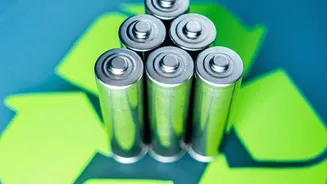
The science behind this innovation involves replacing the hazardous liquid electrolyte with a stable, solid or gel-like alternative derived from lignin. Researchers can process this plant-based material to create a polymer matrix that, when infused with a salt, allows ions to move freely while being physically stable and resistant to heat. Some approaches create a gel-polymer electrolyte (GPE) that demonstrates excellent safety, including non-flammability and thermal stability up to high temperatures. This effectively removes the most dangerous component of traditional batteries. These new systems not only prevent fires but also show promise for good performance, including high ionic conductivity and stable charge-discharge cycles. One Indian startup, Nexus Power, is even creating fully biodegradable batteries from crop residue, tackling both pollution and the need for safer energy storage.
Big Implications for India
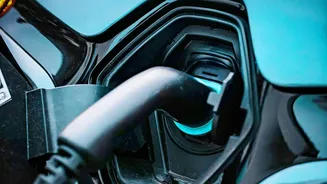
This technology holds immense potential for India. The country is aggressively pushing for EV adoption to combat urban air pollution and reduce oil dependency. Simultaneously, the annual burning of agricultural stubble in northern states creates a massive public health and environmental crisis. This innovation offers a powerful synergy: a domestic, sustainable solution for a key EV component that also creates a high-value use for the very agricultural waste that currently chokes its cities. By turning farm waste into advanced battery parts, India could support its 'Make in India' ambitions, create a circular economy, reduce its reliance on imported battery materials, and directly address the problem of crop burning. It’s a model where cleaner cars are built using a solution to cleaner air.
The Road Ahead
While the promise is enormous, this technology is still in the development and prototyping phase. Researchers are working to optimize the performance and longevity of these bio-based electrolytes to match or exceed their conventional counterparts. Scaling up production from the lab to a commercial level presents its own set of challenges, requiring significant investment and refinement of manufacturing processes. Companies like Stora Enso are already investing in turning lignin into carbon materials for battery anodes, showing a clear path toward commercialisation. The journey from agricultural fields to the EV battery pack under your car will take time, but the successful demonstration in lab-scale prototypes suggests a future where our vehicles are not only cleaner to drive but also fundamentally safer and more sustainable to build.