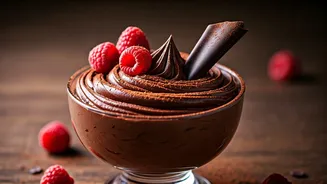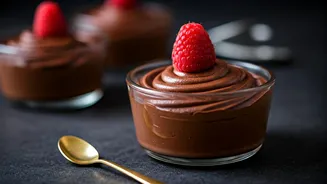



The Two-Ingredient Miracle
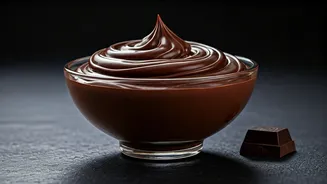
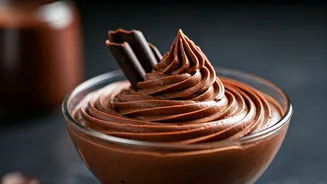
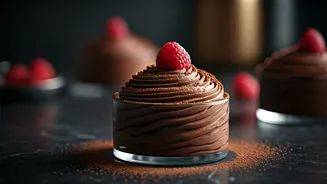
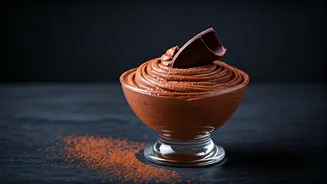
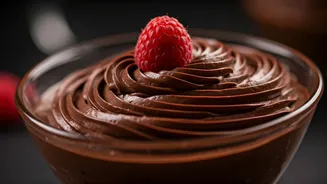
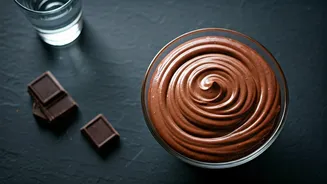
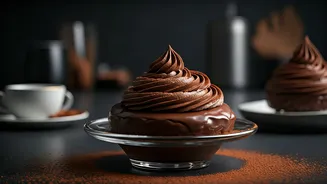
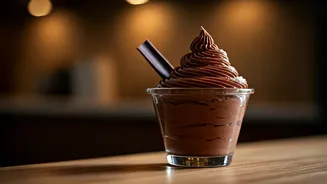
Scroll through your social media feeds and you'll likely find it: a bowl of impossibly dark, velvety chocolate mousse. The caption usually boasts that it was made with nothing more than good-quality chocolate and water. It sounds too good to be true,
a culinary magic trick that defies kitchen logic. For generations, classic mousse has meant separating eggs, whipping cream, and a careful folding technique. But this viral version strips all of that away, leaving behind a pure, intense chocolate experience that is surprisingly simple to achieve. This isn't a cheat or a hack; it's a brilliant application of food science pioneered by French physical chemist Hervé This. He discovered that the complex fats and solids in chocolate are all you need to create a stable, airy emulsion when combined with water and agitation.
The Simple Science Behind the Magic
So, how does a mixture of chocolate and water transform into a fluffy mousse? The secret lies in a process called emulsification. Chocolate contains cocoa butter (fat) and cocoa solids. It also contains lecithin, a natural emulsifier that helps fat and water—two things that famously don't mix—to bind together. When you melt chocolate with water and then whisk it vigorously over an ice bath, you are doing two things at once. First, you're forcing the water and the melted cocoa butter into a stable suspension, creating a smooth, creamy base much like a ganache. Second, the rapid whisking incorporates tiny air bubbles into the mixture. As the mixture cools over the ice, the cocoa butter begins to solidify, trapping the air bubbles and the water in a delicate, structured network. The result is a light, aerated texture that is the hallmark of a great mousse.
Your Step-by-Step Guide
Ready to try it yourself? It's faster than a trip to the store. You'll need just two things: 200 grams of good-quality dark chocolate and 175 ml of water.
1. **Chop and Melt:** Finely chop your chocolate and place it in a heatproof bowl. Bring the water to a boil, then pour it over the chocolate. Let it sit for a minute to melt, then stir gently with a spatula until the mixture is completely smooth and glossy.
2. **Prepare the Ice Bath:** Fill a larger bowl with ice and a little cold water. This is the key to setting the mousse quickly.
3. **Whisk to Perfection:** Place the bowl of chocolate mixture into the ice bath. Using an electric hand mixer or a balloon whisk and some serious arm power, begin to whip the mixture. Don't worry if it looks thin at first. Keep whisking continuously.
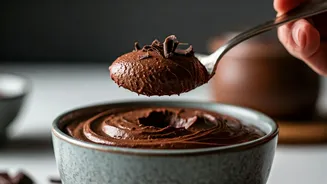
4. **Watch for the Change:** After a few minutes, you'll see the texture transform. It will start to thicken, lighten in colour, and you'll see the tracks of the whisk holding their shape. Stop whisking as soon as you reach soft peaks—the consistency of lightly whipped cream. If you over-whip, it can become grainy.
Why Your Choice of Chocolate Matters
The claim “everyone can make it” is true, but its success hinges almost entirely on using the right chocolate. This is not the time for compound chocolate or candy bars. You need a high-quality dark chocolate with a cacao content between 60% and 75%. Why? This percentage range has the ideal ratio of cocoa butter to cocoa solids needed for the emulsion to form and set correctly. Milk chocolate has too much milk solids and sugar, which can interfere with the process, resulting in a mousse that’s too soft or fails to set. Similarly, chocolate chips often contain stabilisers to help them keep their shape during baking, which will prevent them from melting into the smooth, homogenous base you need. So, invest in a good bar of dark chocolate; it’s the star of the show and there’s nothing for it to hide behind.
Troubleshooting Common Problems
Even the simplest recipes can have a hiccup. Here’s how to fix the most common issues.
* **My mousse is grainy or split:** You likely over-whipped it, causing the fat to separate. Don't throw it out! Simply place the bowl back over some gentle heat (like a pot of simmering water) and melt it down again until smooth. Let it cool slightly, then re-whip it over the ice bath, stopping as soon as you hit soft peaks.
* **My mousse won't thicken:** Your mixture might not be cold enough. Be patient and ensure your ice bath is genuinely icy. If you're using a low-cacao chocolate, it may also struggle to set. Unfortunately, there’s no fix for this besides starting over with the right kind of chocolate.
* **It’s a bit too bitter:** If you used a very dark chocolate (above 75%), the flavour can be intense. Next time, you can add a tablespoon of powdered sugar or a dash of maple syrup to the water before boiling it to balance the bitterness.