






Let the Weather Be Your Guide
The most powerful tool in your laundry arsenal is free: the weather. But it's not just about waiting for a sunny day. The key factors are humidity, wind, and temperature. Surprisingly, a cool, windy day with low humidity can dry clothes much faster than
a hot, still, and humid day. High humidity is the main culprit behind slow drying because the air is already saturated with moisture and can't absorb more from your clothes. An ideal drying day has humidity below 60%. While direct sun is a great disinfectant, a consistent breeze is more effective at wicking moisture away. During the Indian monsoon, when humidity is high and sunshine is scarce, you must be strategic. Wash smaller loads more frequently to avoid a mountain of damp fabric. If there's a break in the rain, even an overcast but breezy hour is a golden opportunity to hang clothes outside. Prioritise lightweight fabrics that dry quickly and save thicker items like jeans and towels for a sunnier, drier day if possible.
Mastering the Art of Airflow
When drying clothes indoors, think of yourself as an air traffic controller. Your mission is to keep air moving. Stagnant, moist air is the enemy, creating a 'soggy halo' around each garment that dramatically slows down evaporation. The simplest way to create airflow is to open a window, even just slightly, to allow moist air to escape and fresh, drier air to enter. Pairing this with a fan—ceiling or pedestal—can cut drying time significantly. Position your drying rack in a well-ventilated area, like a hallway or near a window, not crammed in a corner or a closed bedroom. Keeping the rack away from a wall ensures air can circulate around the back of the clothes as well. For those in very humid climates or compact apartments, a dehumidifier is a game-changer. It actively pulls moisture from the air, creating an ideal drying environment and preventing the build-up of mould and mildew.
Use Your Racks Wisely
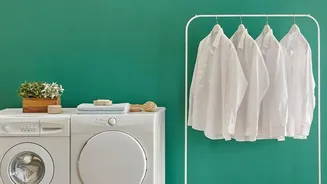
A drying rack is more than just a place to hang things; it's a tool that requires technique. The biggest mistake is overcrowding. When garments touch, they create damp pockets where air cannot circulate, leading to musty smells and incredibly long drying times. The rule of thumb is to leave a gap of at least a couple of inches between each item. Before you even hang an item, give it a good, vigorous shake to straighten out the fabric and remove clumped water. Use hangers for shirts, kurtas, and jackets. Hanging these items allows air to circulate freely on all sides and helps them maintain their shape. For heavier items like towels or bedsheets, avoid folding them over a single rung, which halves the exposed surface area. Instead, drape them across multiple rungs to maximise exposure to the air. Finally, remember to rotate your clothes after a few hours; the side facing the fan or window will always dry faster.
Smarter Habits for Fresher Laundry
A few small adjustments to your routine can make a huge difference. First, use an extra spin cycle in your washing machine. Removing as much water as possible mechanically is far more efficient than waiting for it to evaporate. Don't let wet clothes sit in the washing machine, as this is where musty smells begin to develop. When washing, especially during the monsoon, consider using an antibacterial detergent or adding half a cup of white vinegar to the rinse cycle to help neutralise odours. Before putting clothes away, do a final check. Pay close attention to thick seams, such as the waistbands of jeans, collars, and cuffs, as these are the last places to dry and can harbour hidden dampness. Keeping a few moisture-absorbing silica gel packets in your wardrobe can also help protect stored clothes from the damp air.