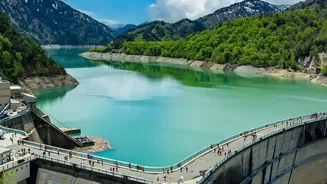



Nestled within the lush, rain-fed hills of the Western Ghats, the Koyna Dam is more than just a feat of engineering; it's the heart of a vibrant ecosystem. For travellers in Maharashtra, it offers a unique blend of nature, power, and history.
An Engineering Giant with a Critical Role
Often called
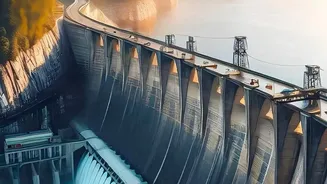
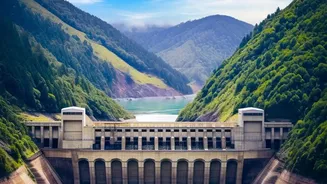
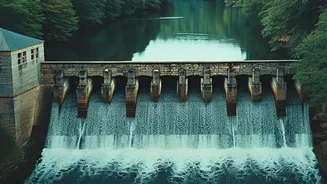
the 'life line of Maharashtra', the Koyna Dam is one of the state's most significant structures. Completed in the early 1960s, this rubble-concrete dam stands 103 metres tall and serves a dual purpose: generating a massive 1,960 MW of hydroelectric power, making its project one of the largest in India, and supplying water for irrigation across the region. The dam impounds the Koyna River to create the sprawling 50 km-long Shivsagar Lake. While access to the dam structure itself is restricted for security reasons, its immense scale can be appreciated from various viewpoints, offering a glimpse into one of post-independence India’s monumental civil engineering projects.
A Sanctuary in a UNESCO World Heritage Site
The dam's location is as impressive as its statistics. It lies within the Koyna Wildlife Sanctuary, which is part of the Sahyadri Tiger Reserve and a UNESCO World Heritage Site. This protected status highlights the area's incredible biodiversity. The dense forests surrounding the dam are home to a wide array of wildlife, including Indian bison (gaur), leopards, sloth bears, and sambar deer. For birdwatchers, the region is a paradise, with recorded sightings of species like the Malabar pied hornbill and the crested serpent eagle. This rich natural setting makes a visit to Koyna an immersive experience, blending human ingenuity with untouched wilderness.
What to See and Do Around Koyna
The area around Koyna Dam is filled with attractions for every type of traveller. The well-maintained Nehru Garden, located just a few kilometres from the dam, offers picturesque views of the structure and the backwaters. It’s an ideal spot for a family picnic and even features a short film on the dam's construction. For the more adventurous, the Ozarde Waterfall presents a spectacular sight, especially during the monsoon. Reaching it involves a short trek through a forested path. Boating on the serene Shivsagar Lake is another popular activity, providing a unique perspective of the surrounding hills. Trekkers can also embark on the challenging route to Vasota Fort, a historic hill fort deep within the sanctuary that requires a boat ride and a hike to reach.
Planning Your Visit to Koyna
The best time to experience Koyna is between October and February, when the weather is cool and pleasant, making it ideal for sightseeing and trekking. The monsoon season, from June to September, transforms the landscape into a vibrant green spectacle with cascading waterfalls, though some areas may become inaccessible.Koyna is well-connected by road from major cities. It is approximately 190 km from Pune and 290 km from Mumbai. The nearest major railway station is in Chiplun, about 45-50 km away, from where you can hire taxis or take buses. For accommodation, options range from the MTDC-run Koyna Lake Resort to various other hotels and eco-friendly homestays in and around Koyna Nagar, catering to different budgets.