








The Unseen Danger in Your Garden
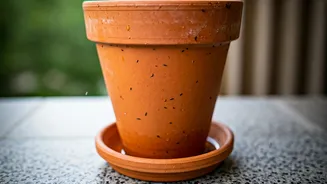
That beautiful collection of potted plants on your balcony or in your garden could be an unwitting host for mosquito breeding. It’s not the pot itself, but the saucer underneath that poses the biggest risk. [1] After watering, excess water collects in these
trays, creating a small, stagnant pool. This is the ideal environment for female Aedes aegypti mosquitoes—the primary carriers of dengue and chikungunya—to lay their eggs. [6, 22] These mosquitoes don't need a large pond; a tiny amount of water, even as little as what a bottle cap can hold, is enough for them to multiply. [12] The eggs are incredibly resilient, sticking to the sides of containers and capable of surviving dry conditions for months, waiting for the next time they are submerged in water to hatch. [7, 13]
Your Weekly Mosquito-Proofing Checklist
Preventing mosquito breeding is about breaking their life cycle, which can be as short as 7 to 10 days. [13, 21] A simple weekly routine is your most powerful defence. First, make it a habit to empty the saucers under all your flowerpots at least once or twice a week. [5] Don't just dump the water; wipe the saucer clean with a cloth or sponge to remove any eggs that might be stuck to the surface. [20] While you're at it, avoid overwatering your plants to minimise overflow. [4] For an extra layer of protection, you can fill the saucers with sand or fine gravel, which allows water to collect without leaving a surface for mosquitoes to lay eggs on. [20] Also, check for any unused pots stored outdoors, as these can easily collect rainwater and become breeding hotspots. [2]
Beyond Flowerpots: Other Hotspots at Home
While flowerpots are a common culprit, Aedes mosquitoes are opportunistic breeders and will use any stagnant water they can find. Expanding your weekly check is crucial for comprehensive protection. [23] Look for water collecting in air cooler trays, clogged roof gutters, discarded tyres, and even children's toys left outside. [3, 12, 17] Bird baths and pet water bowls should be emptied and cleaned regularly, ideally twice a week. [10, 12] Pay attention to tarps or plastic covers over furniture or firewood, as they can create folds where water gathers. [18] Inside the home, check for leaking faucets or AC units and ensure any vases with plants like money plants have their water changed frequently. Even a small, forgotten container can produce hundreds of mosquitoes.
Why This Diligence Matters
The effort to eliminate these small water sources is directly linked to protecting your family’s health. The Aedes aegypti mosquito, which thrives in urban environments close to people, is an aggressive daytime biter. [6, 24] It is the main vector for dengue and chikungunya, viral illnesses that can cause severe joint pain, high fever, and in the case of dengue, potentially life-threatening complications. [22] With climate change and rapid urbanization creating more favourable conditions for mosquitoes to thrive, prevention has become more important than ever. [15] Since there is no specific cure for these diseases, preventing mosquito bites by eliminating their breeding grounds is the most effective strategy to safeguard your household. [15, 24]
Creating a Safer Home Environment
Beyond managing stagnant water, you can take further steps to reduce the risk of mosquito bites. Installing screens on windows and doors is a physical barrier that keeps mosquitoes out while allowing for ventilation. [3] When outdoors during peak mosquito activity times—early morning and late afternoon—consider wearing long-sleeved shirts and pants. [15, 24] Using approved mosquito repellents on exposed skin provides an additional layer of personal protection. In the evenings, using mosquito nets, especially for children, can prevent bites while sleeping. [3] Encouraging your neighbours to also take these preventive measures can make a significant difference in the community, as mosquitoes don't recognize property lines. [5] A collective effort amplifies the protection for everyone.