




Spice Village, Thekkady: A Tribal-Inspired Oasis
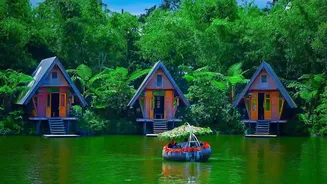
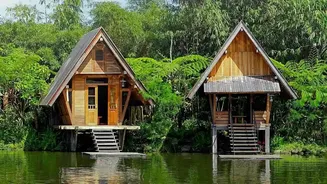
On the edge of the Periyar Tiger Reserve in Kerala, Spice Village is designed to resemble a traditional tribal village. Instead of sprawling concrete, you'll find thatched-roof cottages that blend into the landscape, a design choice that forgoes the need
for air conditioning. This retreat operates on a plastic-free and solar-powered campus, demonstrating a deep commitment to its fragile ecosystem. The experience here is about immersion. You wake up to the sounds of the forest, dine on food from organic gardens, and learn about the local spices that give the region its name. It's a prime example of how tourism can support conservation, allowing guests to experience the wilderness of the Western Ghats with a clear conscience.
The Machan, Lonavala: Living Among the Treetops
For a truly unique perspective, The Machan in Maharashtra elevates the eco-retreat concept—literally. This resort features exclusive treehouses that rise 30 to 45 feet above the forest floor, offering stunning views and a feeling of complete serenity. Located in a global biodiversity hotspot, The Machan is built on a foundation of ecological responsibility. It runs primarily on sustainable energy and was designed to exist in harmony with the surrounding forest. The experience is one of peaceful seclusion and connection with nature, whether you're relaxing on your private deck or exploring the trails below. It's a perfect escape from city life, proving that architectural ingenuity and environmental stewardship can create a truly unforgettable stay.
Himalayan Homestead, Uttarakhand: Mindful Mountain Living
In the Kumaon hills, The Himalayan Homestead offers a slower, more intentional way to experience the mountains. Built with traditional mud-and-stone techniques, the cottages here seem to grow from the landscape itself. The focus is on simple, sustainable practices: meals are made with pesticide-free produce from the kitchen garden, and workshops on everything from vegan baking to pottery connect guests to the land and local skills. This isn't just a place to stay; it's an invitation to participate in a gentler way of life. Guided forest walks and the chance to learn about Kumaoni flavours offer an authentic cultural exchange that benefits both the visitor and the host community, embodying the spirit of responsible travel.
Banasura Hill Resort, Wayanad: Crafted from the Earth
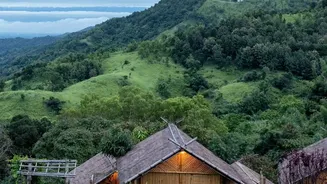
Banasura Hill Resort in Wayanad, Kerala, is an architectural marvel and a testament to sustainable construction. It holds the distinction of being Asia's largest resort built entirely from rammed earth. This ancient technique uses natural soil to construct walls, which not only minimizes the carbon footprint but also keeps the interiors naturally cool, reducing the need for artificial cooling. Set amidst the lush greenery of the Western Ghats, the resort offers a tranquil escape where the focus is on reconnecting with the environment. From its farm-to-table dining, which sources ingredients locally, to its conservation efforts, every aspect of the experience is designed to be in harmony with nature.
Kanha Earth Lodge, Madhya Pradesh: A Walk on the Wild Side
Adjacent to the renowned Kanha National Park, Kanha Earth Lodge offers a luxurious yet grounded safari experience. The lodge features 12 bungalows with designs inspired by Gond tribal architecture, constructed using locally sourced waste wood and stone. This approach minimizes environmental impact while celebrating regional culture. The experience is centered on wildlife and conservation. Guests can embark on jeep safaris into the park, which follows strict ecological guidelines, or explore the buffer zone on foot and by bicycle. The lodge also invests heavily in the local community, creating a model where tourism directly supports both the people and the wildlife of the area.